

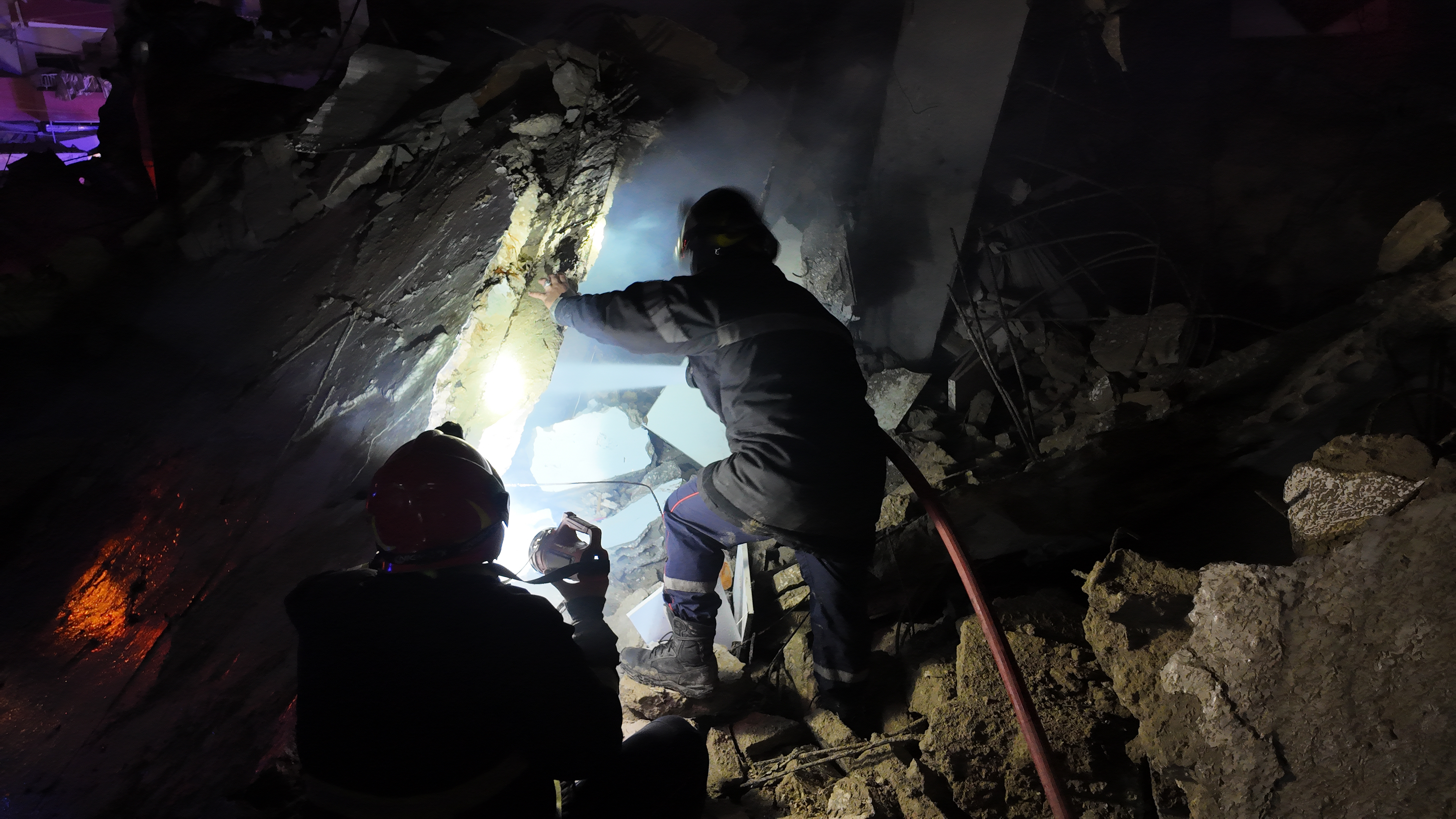
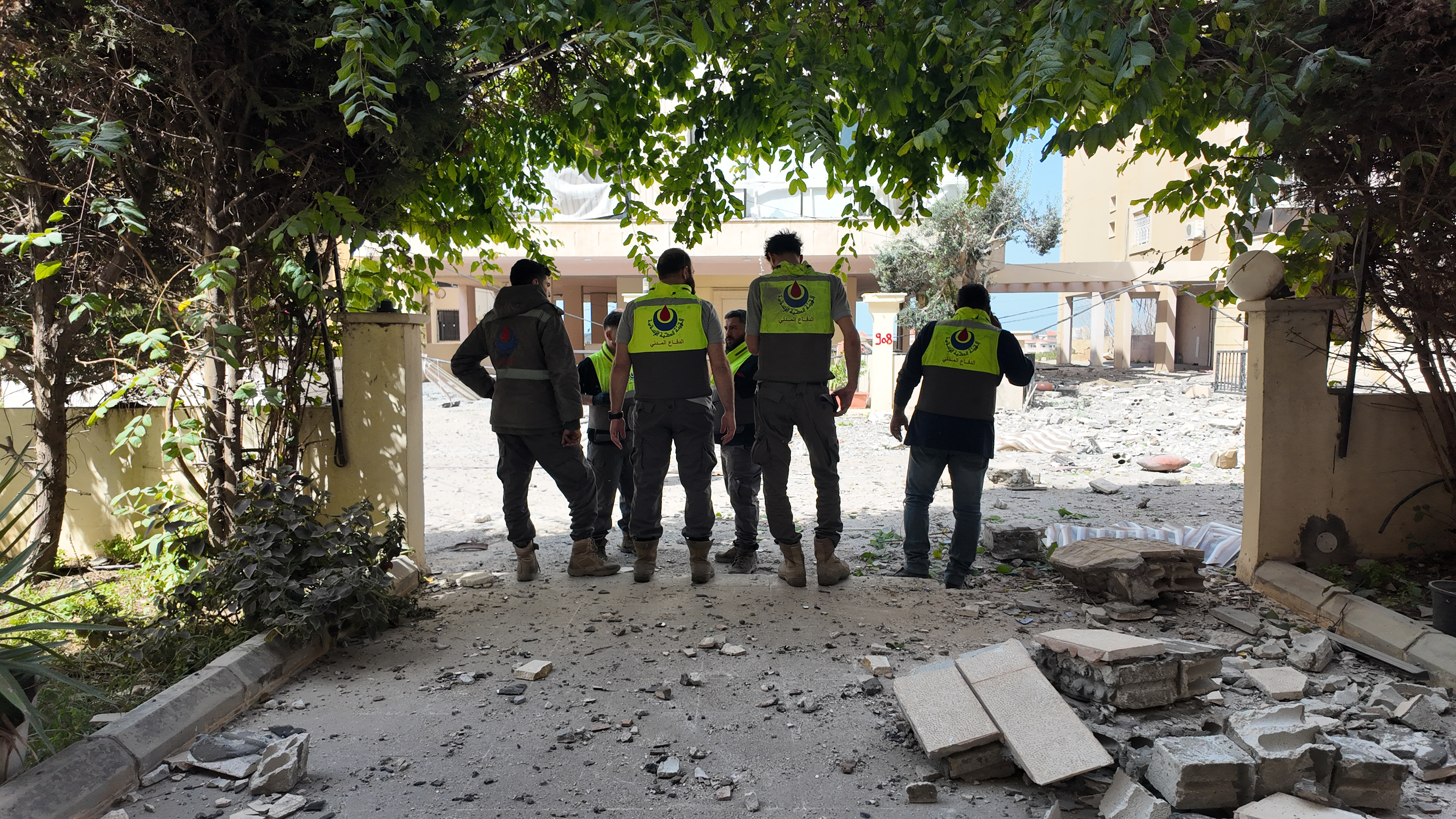
Sour — May 31, 2026. The city of Sour is empty but for the few residents who remain and the paramedics working in the war-stricken areas surrounding it. They navigate the roads without fear or worry. Some of them are injured, others have lost relatives; they intimately know the meaning of loss, how death creates a heavy void in the hearts of a family. The paramedic understands the dedication and sacrifice required to save a life, and he brings that same devotion to every injured person entrusted to his care.
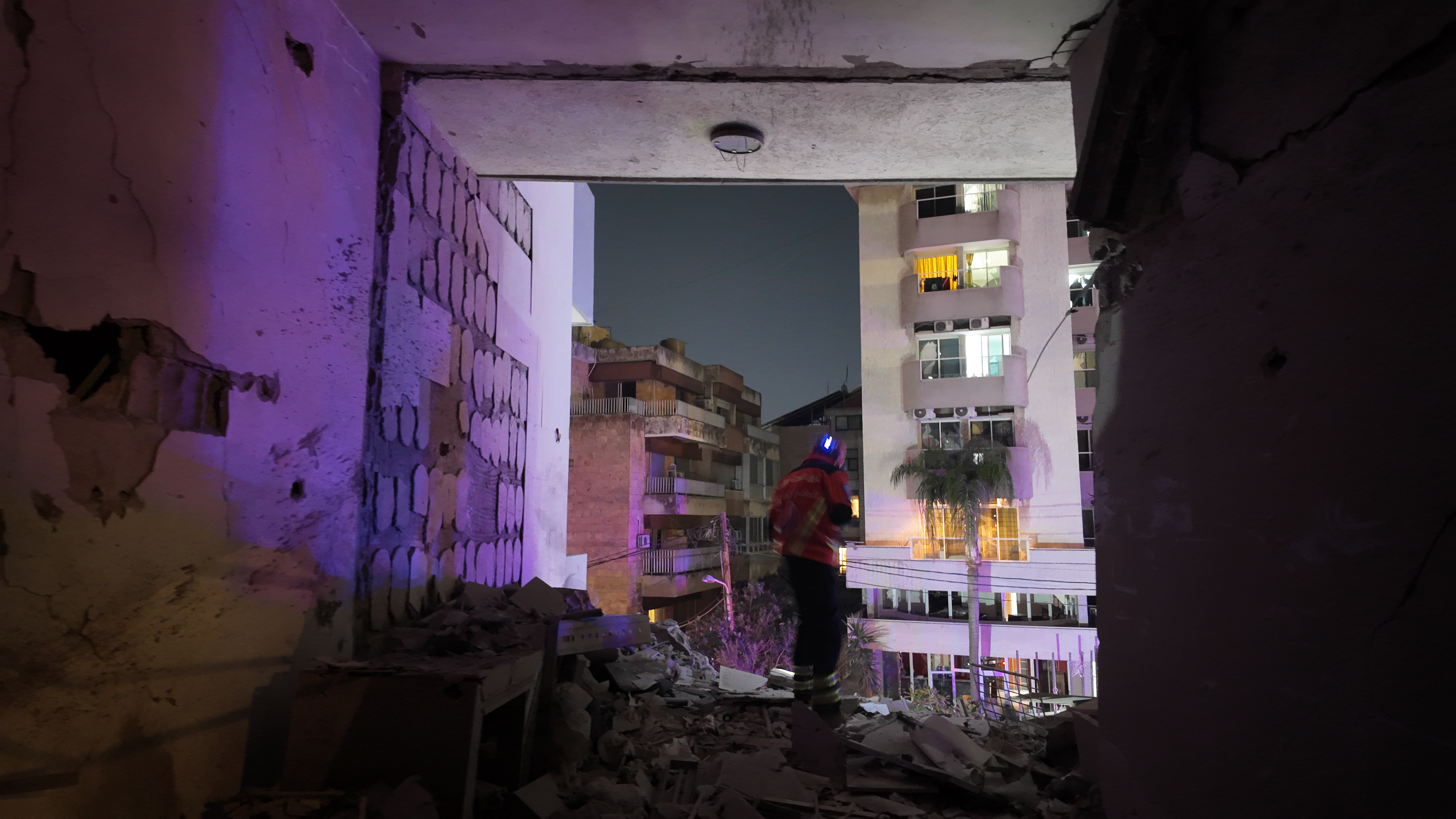
Here in Jabal Amel, where the Israeli enemy endeavors to strip paramedics of their humanity, ambulances roam like coffins waiting to be submerged in the blood of those inside. These first responders are not combatants, nor are they in any way trying to aid the fighters militarily. Sometimes, they cannot even rush to the medical aid of a fighter because they are the area’s last lifeline. They must prioritize their own safety and the lives of civilians. International law requires warring military forces to respect the presence of civil defense teams, be they local or international. But in southern Lebanon, the Israeli military does not respect these rules, nor does it consider itself bound by the conventional laws of war.
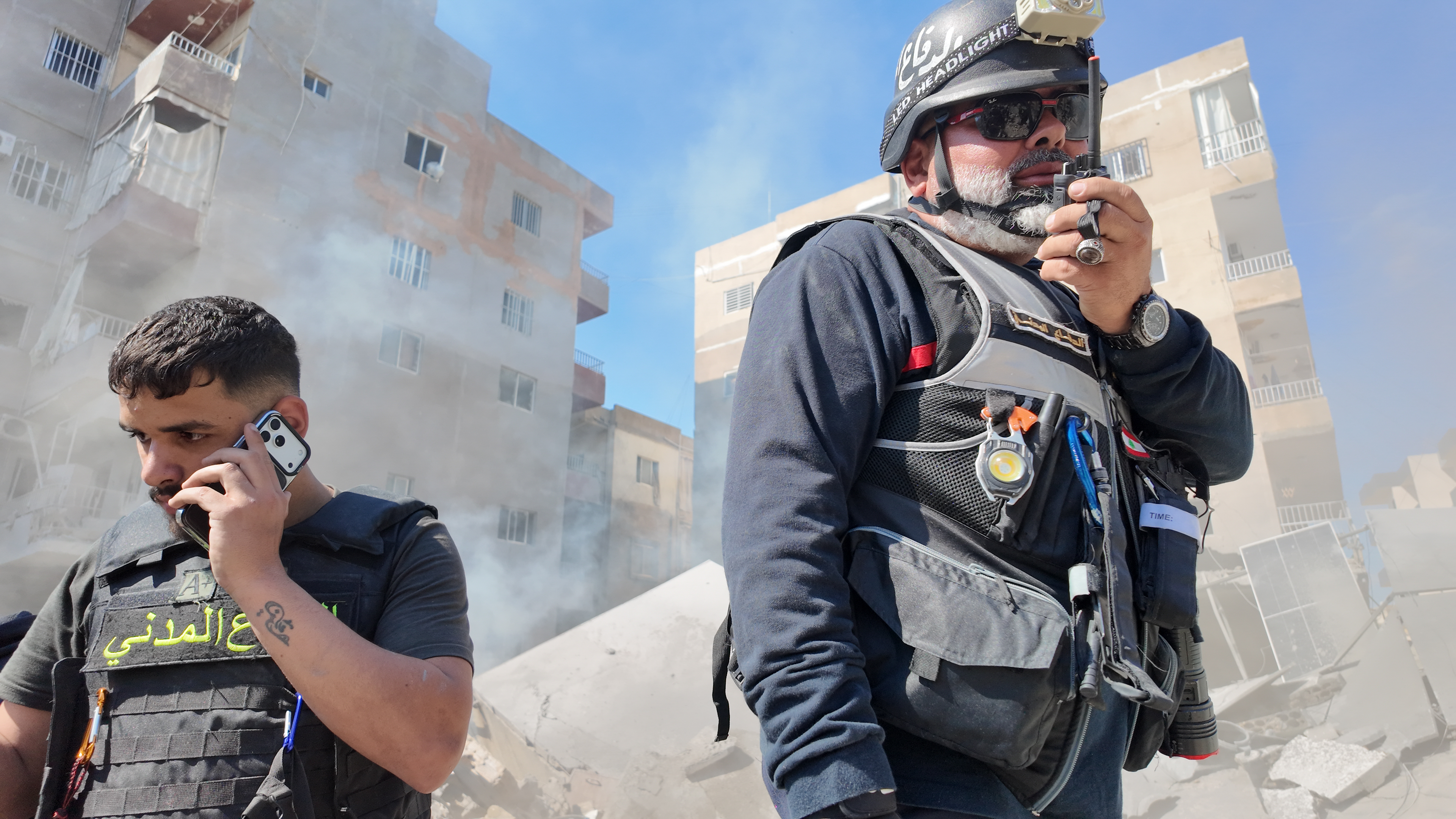
It is worth noting here that most, if not all, of the attacks targeting civil defense teams in southern Lebanon during the last two wars were deliberate. Everything the heroes of the civil defense do to rescue those who remain steadfast in their villages across southern Lebanon is guided solely by humanitarian principles. The difference between them and the Israeli army is not ideological or social, but categorically moral. The Israeli military continually violates moral norms in ways unprecedented in the annals of war since the dawn of history.
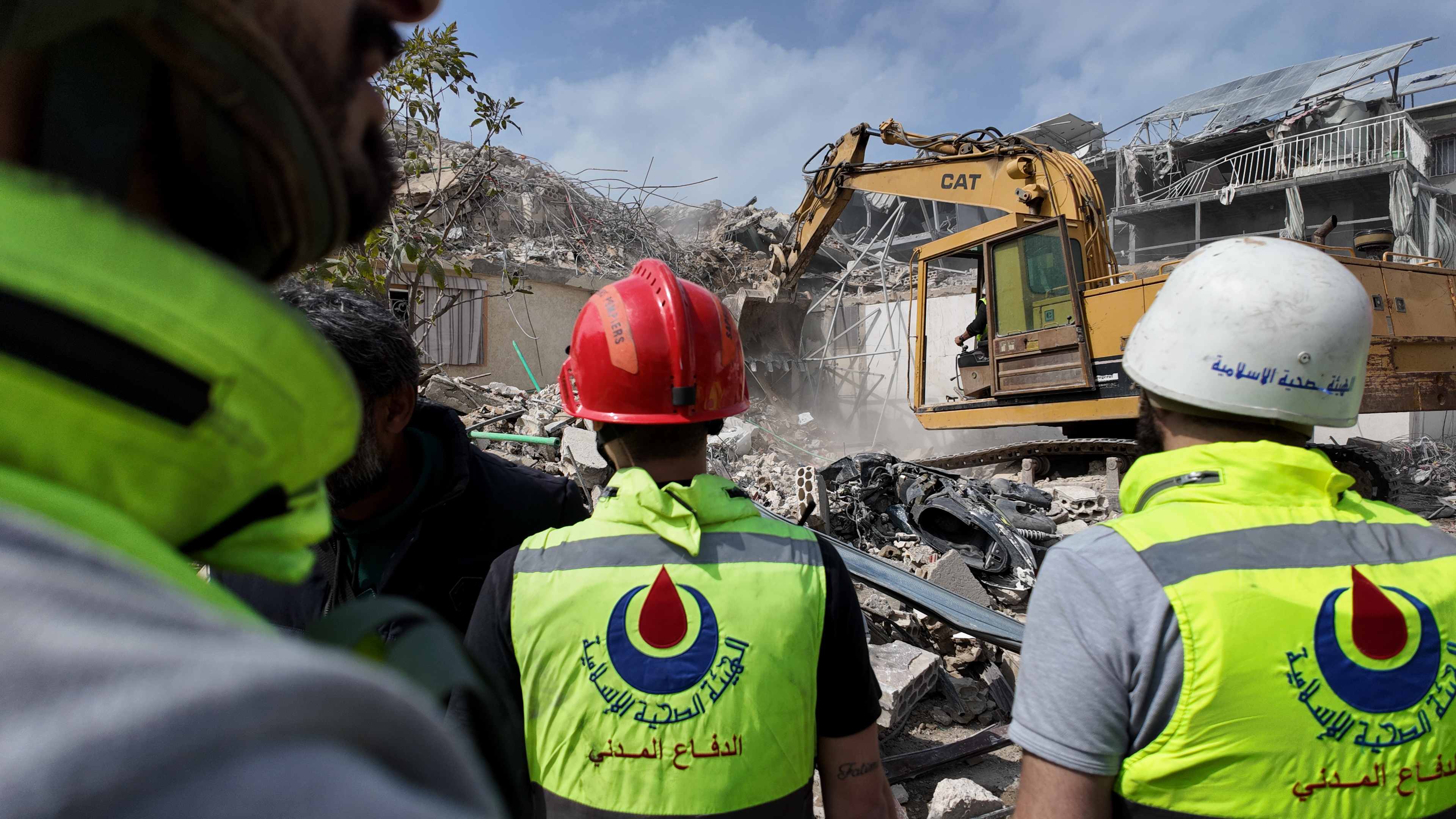
Abu Maroun, the nickname of one of the few who remained in the village of Yater throughout the war, says he has been unable to adjust to life away from his work with the health organization where he has volunteered since the 2023 war of support for Gaza. Since then, he and his team have been subjected to 15 targeted drone strikes, in which he has sustained multiple injuries. In the last strike, he was wounded in his right thigh where he had already undergone multiple surgeries and had steel pins inserted to stabilize the bone. He mentions the names of many friends who were martyred in the long war, mentions them with a smile as his eyes disappear behind tears.
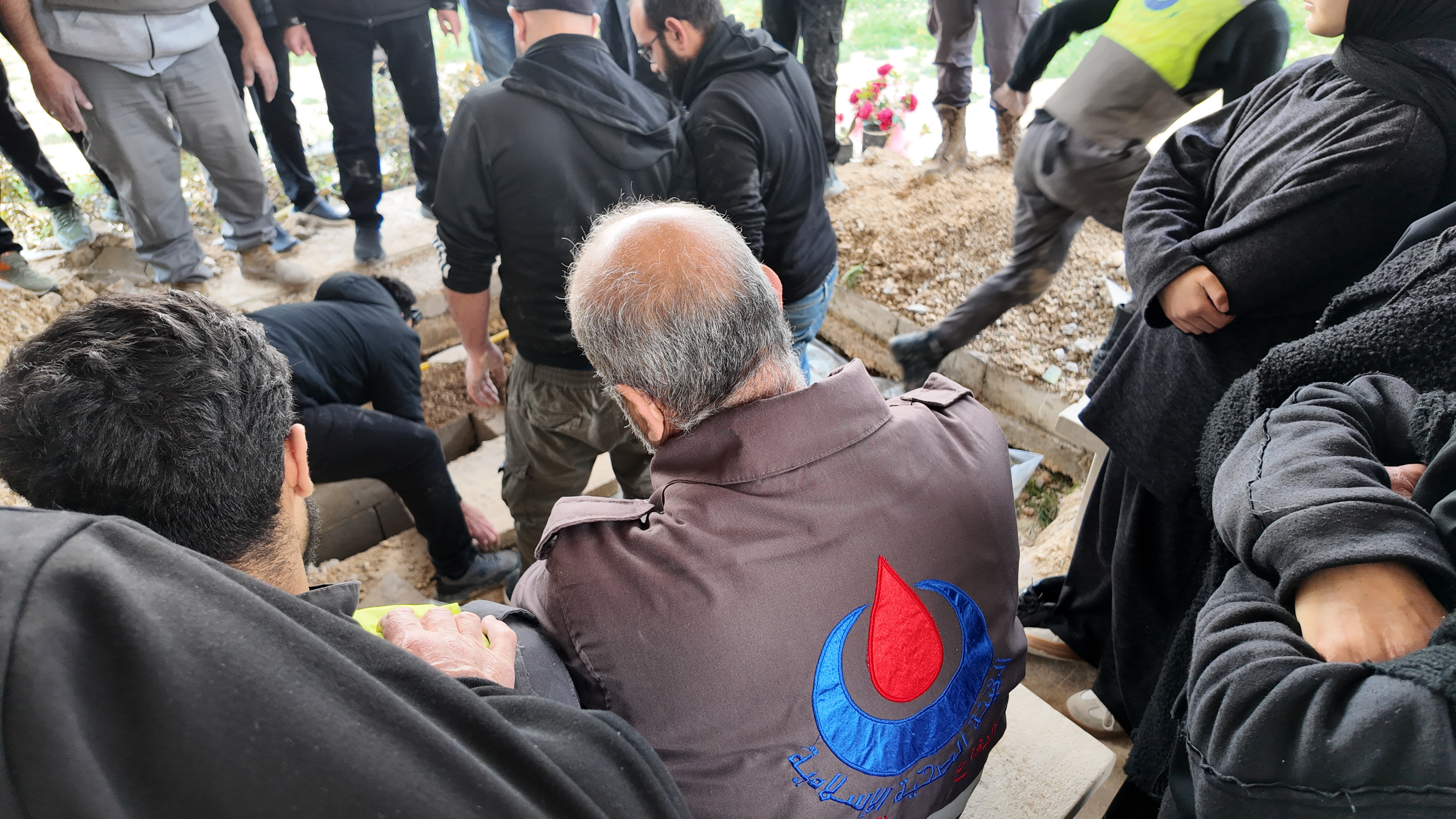
“No one can rid the soul of fear, but I can sometimes be indifferent,” Abu Maroun says. “If I’m hit in an airstrike and the injury isn’t serious, I get up, brush myself off, and carry on as if nothing happened.”
“Once, when I was injured, I felt that the wound on my shoulder wasn’t serious enough to warrant a trip to the hospital, so I just bandaged it and waited until the next day. When some of the wounded were being transported, I went along and had the doctor examine me. Then I returned to work.”
This piece appears in the twenty-second issue of The New York War Crimes.