Ayat Khadoura
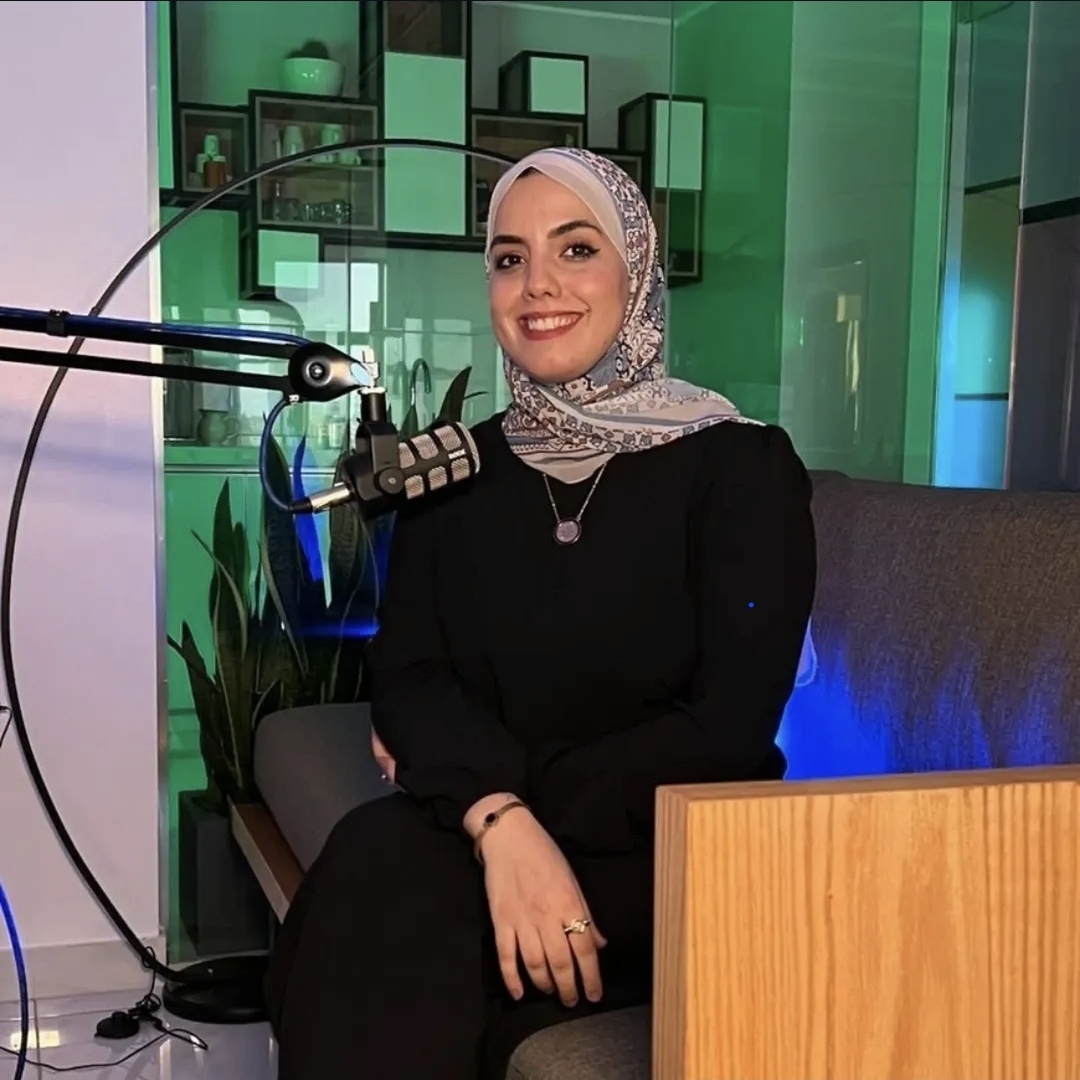
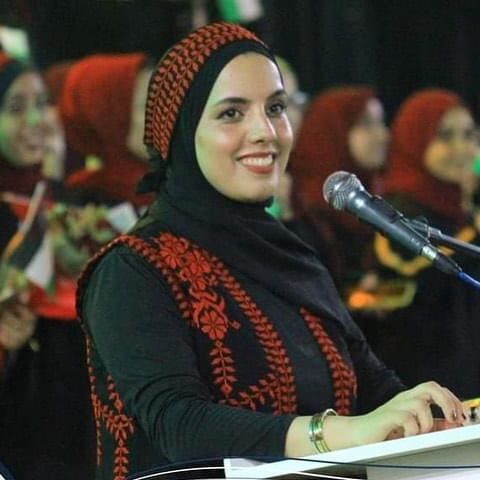
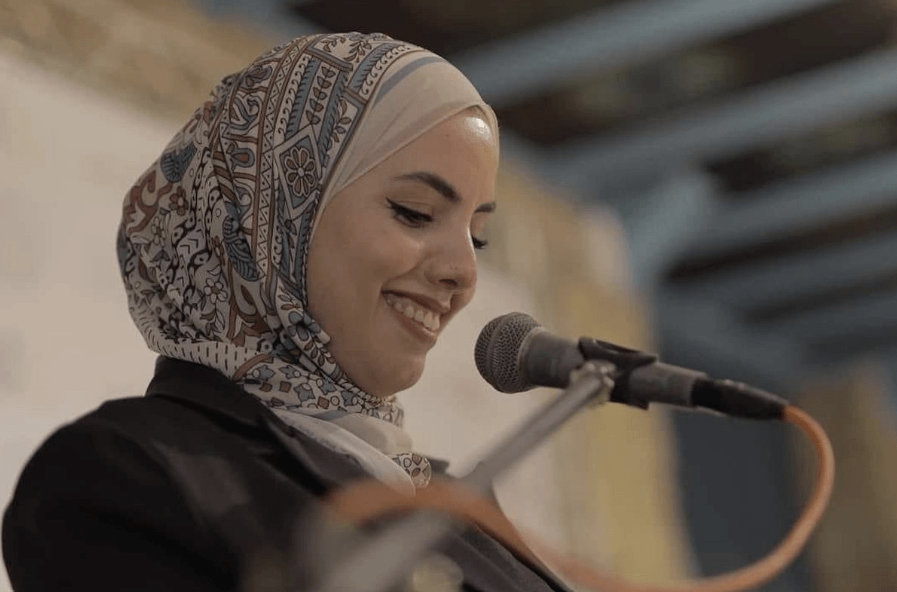
Ayat Omar Khadoura was born in Beit Lahia, northern Gaza, in 1996 and received a bachelor’s degree in digital media from Al-Quds Open University. She was one of several journalists referred to as “The Voice of the North.”
On November 6, 2023, Khadoura posted what she called her “last message to the world” on Instagram. In the video, Khadoura expressed her fear of the white phosphorus, thermobaric bombs, and exploding munitions used by the Israeli occupation in densely populated neighborhoods like hers. “We once had big dreams,” she said, “but our dream now is to be killed in one piece so they know who we are.”
Two weeks later, Khadoura was martyred alongside two of her sisters, two of her brothers, and two of her grandparents in an Israeli airstrike targeting her home in Beit Lahia. Her sister, Yasmin, told the Washington Post that they were unable to bury her body, because it had been blown to pieces. She was 27-years old. She is survived by Yasmin and another sister, Ghadeer.
Show less
I am Mona Khader, a journalist from Gaza and coordinator of Filistiniyyat, the Palestinian Women Journalists’ Club. I am Mona Khader, a journalist from Gaza and coordinator of Filistiniyyat, the Palestinian Women Journalists’ Club.
Maybe the hardest and worst thing is to talk about our colleagues who have been martyred in this genocidal war. Maybe the hardest and worst thing is to talk about our colleagues who have been martyred in this genocidal war. There are images that, even now, we just can’t get out of our heads, There are images that, even now, we just can’t get out of our heads, because the genocide is still here, it hasn’t stopped. because the genocide is still here, it hasn’t stopped. The starvation is still ongoing. The starvation is still ongoing. The killing is still ongoing. The killing is still ongoing. I chose to speak about my colleague Heba al-Abadla because of the bond we had. I chose to speak about my colleague Heba al-Abadla because of the bond we had. Heba, while she was still at university, started training with us at Filistiniyyat. Heba, while she was still at university, started training with us at Filistiniyyat. She was a really bright, strong young woman even back when she was at university. She was a really bright, strong young woman even back when she was at university. She had huge ambitions to become a well-known journalist. She had huge ambitions to become a well-known journalist. She looked up to many women journalists, She looked up to many women journalists, including our colleague Shireen Abu Akleh, may God have mercy on her, who was also assassinated by the Israeli occupation. including our colleague Shireen Abu Akleh, may God have mercy on her, who was also assassinated by the Israeli occupation. She wanted to become like them. She wanted to become like them. She worked very hard at school and graduated at the top of her class. She worked very hard at school and graduated at the top of her class. She was an advocate for human rights and freedoms. She was an advocate for human rights and freedoms. She was very well-read and intelligent. She was very well-read and intelligent. Heba got married after graduating, but her marriage did not keep her from pursuing her ambitions. Heba got married after graduating, but her marriage did not keep her from pursuing her ambitions. She had a daughter. She had a daughter. Heba’s life was... Heba’s life was… I don’t know what to say. I don’t know what to say. Heba was just very, very ambitious. Heba was just very, very ambitious. She had incredibly high aspirations. She had incredibly high aspirations. She went on to join a number of journalists’ groups and collectives. She went on to join a number of journalists’ groups and collectives. She always loved reporting. She always loved reporting. She really, really enjoyed broadcast journalism. She really, really enjoyed broadcast journalism. She put a huge amount of work into developing herself as a journalist. She put a huge amount of work into developing herself as a journalist. Heba was a victim of the Israeli occupation. Heba was a victim of the Israeli occupation. The last thing I remember from Heba was her pleading on Facebook to be rescued. The last thing I remember from Heba was her pleading on Facebook to be rescued. The occupation forces had besieged her neighborhood, The occupation forces had besieged her neighborhood, as happened to so many colleagues who were martyred in their homes. as happened to so many colleagues who were martyred in their homes. Whose homes were destroyed. Whose homes were destroyed. Perhaps the most recent was Marwa Musallam, who kept appealing for help on Facebook for maybe a week from under the rubble. Perhaps the most recent was Marwa Musallam, who kept appealing for help on Facebook for maybe a week from under the rubble. No one could rescue her because civil defense’s capacity had been severely depleted after two years of war and blockade, with no new supplies or equipment coming in. No one could rescue her because civil defense’s capacity had been severely depleted after two years of war and blockade, with no new supplies or equipment coming in. It was only after her martyrdom that she was removed as a skeleton from under the rubble. It was only after her martyrdom that she was removed as a skeleton from under the rubble. Skulls under their homes. Skulls under their homes. I hope Marwa is the last journalist whose body has to be recovered. I hope Marwa is the last journalist whose body has to be recovered. The war is still ongoing and this is very, very frightening. The war is still ongoing and this is very, very frightening. It is terrifying. It is terrifying.
Despite all this, journalists, men and women, are still there in Gaza. Despite all this, journalists, men and women, are still there in Gaza. They are determined to keep showing what’s happening, to keep reporting this genocide. They are determined to keep showing what’s happening, to keep reporting this genocide.
Going back to Heba... I keep thinking about the distress we felt with her in those final moments as she begged everyone to rescue her. Going back to Heba… I keep thinking about the distress we felt with her in those final moments as she begged everyone to rescue her. She appealed to the Red Cross and kept calling them. She appealed to the Red Cross and kept calling them. No one at all was able to rescue them and she was martyred while holding her daughter. No one at all was able to rescue them and she was martyred while holding her daughter. She was posting on her page about everything that was happening. She was posting on her page about everything that was happening. She wrote about the airstrikes on the house they were in. She wrote about the airstrikes on the house they were in. The place where they were sheltering. The place where they were sheltering. Everyone in the house was a civilian. Everyone in the house was a civilian. She kept writing about the tanks advancing until she was martyred. She kept writing about the tanks advancing until she was martyred. And that also reminds me of another colleague. And that also reminds me of another colleague. Heba was martyred while she was posting on Facebook, calling for someone to rescue her, for everyone to help her. Heba was martyred while she was posting on Facebook, calling for someone to rescue her, for everyone to help her. She couldn’t... She couldn’t… This occupation is a criminal occupation. This occupation is a criminal occupation. A criminal, murderous occupation. A criminal, murderous occupation.
There’s also my colleague Ayat, Ayat Khaddoura. There’s also my colleague Ayat, Ayat Khadoura. Ayat was martyred and even now her voice still rings in our ears as she cried out to the world to rescue her, Ayat was martyred and even now her voice still rings in our ears as she cried out to the world to rescue her, “Save us, save us, save us.” “Save us, save us, save us.” Ayat was martyred, but her voice still echoes in our ears because she was calling on everyone to rescue her until she was martyred. Ayat was martyred, but her voice still echoes in our ears because she was calling on everyone to rescue her until she was martyred. No one was able to rescue her from this criminal occupation, which targets civilians and anyone trying to bring the truth to light. No one was able to rescue her from this criminal occupation, which targets civilians and anyone trying to bring the truth to light. Ayat Khaddoura stayed in a refugee camp in North Gaza, giving voice to the North right up until the last moment of her life. Ayat Khadoura stayed in a refugee camp in North Gaza, giving voice to the North right up until the last moment of her life. The same was true of Heba al-Abadla, who kept sharing news on her own social media platforms until her final moment. The same was true of Heba al-Abadla, who kept sharing news on her own social media platforms until her final moment. Marwa Musallam, who was martyred a while ago, did the same thing. Marwa Musallam, who was martyred a while ago, did the same thing. She too kept appealing for help while trapped under the rubble. She too kept appealing for help while trapped under the rubble. What can we say about the journalists who’ve been martyred? What can we say about the journalists who’ve been martyred? What can we say about the journalists who’ve been martyred? What can we say about the journalists who’ve been martyred? It’s hard, so, so hard for us to talk about them. It’s hard, so, so hard for us to talk about them. It’s hard to document their lives. It’s hard to document their lives. Even if all we’re doing is trying to say simply who they were, what work they did... Even if all we’re doing is trying to say simply who they were, what work they did… It’s hard, very hard. It’s hard, very hard.
I hope they become immortal. I hope they become immortal. I hope their memory lives on, that we keep speaking about them. I hope their memory lives on, that we keep speaking about them. That we speak of their desperate efforts to expose the occupation’s crimes until their last moments, like Ayat, Heba, and Marwa Mussalam, and so many other women and men in the field. That we speak of their desperate efforts to expose the occupation’s crimes until their last moments, like Ayat, Heba, and Marwa Mussalam, and so many other women and men in the field.
For you, I don’t know what your role could be. For you, I don’t know what your role could be. It is important to save what remains of the Gaza Strip. It is important to save what remains of the Gaza Strip. It is vital to save the people who still remain in Gaza. It is vital to save the people who still remain in Gaza. The situation is very, very difficult. The situation is very, very difficult. Very, very, very difficult. Very, very, very difficult. There needs to be some kind of intervention so that we can keep going, so that journalists in Gaza can keep going. There needs to be some kind of intervention so that we can keep going, so that journalists in Gaza can keep going.
Show less
يسعد مساك ويعطيك ألف عافية. Good evening to you, and may God give you strength. في البداية كل التحية للزملاء الصحفيين في العالم الذين يحاولون إيصال الحقيقة للعالم. Firstly, a salute to our journalist colleagues around the world who are trying to share the truth. وثانيا رحم الله الشهداء الزملاء الصحفيين في قطاع غزة الذين قضوا في هذه الإبادة الجماعية. Secondly, may God have mercy on our fellow journalists in the Gaza Strip who were martyred during this genocide. وطبعا الزملاء تحية لهم الذين لا يزالون على رأس عملهم رغم المخاطر والتخوّفات والتهديدات الإسرائيلية والتحريضات طبعا ضدهم. And, of course, a salute to our colleagues who continue to do their jobs despite their fears, the dangers they face, and Israel’s threats and incitement against them.
طبعا في بداية هذه الإبادة Of course, since the start of the genocide, استشهد الكثير من الصحفيين الزملاء. many journalists have been martyred. كان لهم بصمة في إيصال الحقيقة للعالم الذي غض البصر عن غزة These journalists made their mark bringing the truth to a world that had turned a blind eye to Gaza. وطبعا الذي يشاهد ما يحصل في القطاع، That world watches what is happening in the Strip, سواء في العالم الغربي أو العربي. whether in the West or the Arab world. طبعا الزملاء الصحفيين، كل شخص له بصمة في الكتابة، في التصوير، سواء عاملين أو مراسلين في القطاع. Each of these colleagues left their mark in writing or filming, whether they were reporters or other media workers in the Strip.
طبعا في البداية، صعب انه نخصّص كل زميل، ولكن بالبداية خلينا نحكي في زميلنا إسماعيل الغول It’s difficult to highlight each and every colleague, but let us begin with our colleague Ismail al-Ghoul, الذي حُرم من حضن طفلته التي نزحت إلى جنوب القطاع، وهو ظلّ في الشمال إلى حين استشهاده. who was deprived of holding his little daughter because she was displaced to the south of Gaza while he stayed in the North until his martyrdom. كان له بصمة في نقل الحقيقة في أصعب الظروف الي عشناها، اللي عاشوها الزملاء He left his mark in reporting the truth under the most difficult circumstances: في النزوح displacement, والتنقل constant moving, و الاستهدافات. and being targeted. طبعا، كانت لهم معجزات بالنجاة، Sometimes they miraculously survived, ولكن بالنهاية استشهدوا في هذه الإبادة. but in the end, they were martyred in this genocide. آخرهم طبعا الزميل أنس والزميل محمد. The most recent of them, of course, were our colleagues Anas and Mohammed. هؤلاء الذين صمدوا أيضا في الشمال، ونقلوا الحقيقة على أكمل وجه إلى حين استشهادهم. They stood steadfast in the North and reported the truth to the highest possible standard until they were martyred. طبعا الجميع يعلم من هم الصحفيون الذين استشهدوا. Everyone knows the journalists who were martyred.
كان طبعا بعض الزميلات قضوا في هذه الحرب بسبب الخوف. Some colleagues died during this war because of fear. وطبعا منهم الزميلة سعاد سكيك. Among them is our colleague Suad Skaik. لديها طفلتان. She had two daughters. توفيت بسكتة قلبية بسبب الخوف والتفكير في جنوب غزة. She died of a heart attack because of distress and fear in southern Gaza. طبعا الزميلة آيات خضورة كمان من الأصوات المميزة في قطاع غزة. Our colleague Ayat Khaddoura was also one of the Gaza Strip’s exceptional voices. كانت تنقل بالفيديوهات عن صعوبة الأوضاع في الشمال. Her videos showed the difficult conditions in the North. وقد نشرت على صفحتها الفيسبوك بأن القصف متواصل وأن من الممكن أن يتم استهدافهم واستشهادهم إلى حين استشهادها. Until her martyrdom, she was posting on her Facebook page that the bombardment was continuing and that she and her family could be targeted. كانت آيات لها صوت قوي جدا، مميزة بعملها، ولكن الاحتلال انتزع منها كل هذا، وقتلها مع عائلتها. Ayat had a very strong, distinctive voice in her work, but the occupation stole it from her and killed her along with her family.
الآن، الأوضاع في قطاع غزة ونقل الحقيقة، Now, regarding the situation in the Gaza Strip and reporting the truth: كل واحد في قطاع غزة موجود له موهبة في نقلها من خلال العمل، المراسلة أو المواقع أو الكتابة أو نشر الصور. Everyone in Gaza has a talent for reporting it, whether through correspondent work, websites, writing, or publishing photos. طبعا الجميع يعمل تحت الضغط. Everyone, of course, works under pressure. احنا هان في غزة نعمل تحت الضغط، تحت الخوف. We in Gaza work under pressure, under fear. .بنطلع ما بنتوقع انه ممكن احنا نعيش. We go out not expecting to survive. بنتوقع ممكن نموت في أي مكان موجودين فيه، سواء من أقصى شمال غزة لأقصى جنوب أيضا المدينة. We expect that we might die wherever we go, whether from the far north of Gaza to the far south, and within Gaza City.
الآن الصحفي الفلسطيني كان يطالب بدخول الزملاء الأجانب إلى قطاع غزة، ليصدّق العالم ما يحدث في القطاع. Palestinian journalists asked for foreign colleagues to enter the Gaza Strip and report from here so that the world would believe what is happening. ولكن تعلم جيدا بأن إسرائيل تحاول تكذيب الحقيقة، But, as you know, Israel tries to deny the truth in different ways, منها الأساليب التحريضية بخصوص الزميل أنس فتيحة. including through the incitement campaigns against our colleague Anas Fteha. كان له تحريض بشكل مباشر بالصور التي يتنقلها من التكايا التي توزّع الطعام للعائلات. There was direct incitement against him because he shared photos of the kitchens that distribute food to families. كذّبت بأن هذا كله تمثيل وأنهم يحاولون نقل صورة الأوضاع بصورة كاذبة. Israel falsely claimed that the photos were staged to portray a false image of the living conditions.
وأيضا فيما يخص المجاعة انتشرت صور بالنسبة إلنا، نحن الصحفيين هنا في غزة. And, regarding the famine, many photos were shared by us journalists here in Gaza. انتشرت الكثير من الصور طبعا بخصوص المجاعة. We shared many images related to the famine. ولكن إسرائيل حاولت، والإعلام طبعا الدولي حاول، تكذيب هذه الصور، وادّعى بأنها فقط موجودة في اليمن، ولم تكن في غزة. Israel and international media of course attempted to refute the authenticity of these photos and claimed they were from Yemen and not from Gaza. طبعا إسرائيل استغلت هذه المجاعة والصور التي بدأت تنتشر في العالم بأكمله، بدخول المساعدات إلى القطاع بشكل فوري، Israel responded to these circulating images by allowing aid to enter the Strip, رغم انه كانت معنية بالفوضى في توزيع المساعدات إلى حد هذا اليوم. only to create chaos during aid distribution, which it still does to this day.
إسرائيل تقتل من ينقل الحقيقة. Israel kills those who report the truth. تقتل من له صوت في القطاع بأبشع الجرائم التي ترتكبها في غزة. It kills anyone who has a voice in Gaza by committing the most horrific crimes against them.