Hamza al‑Dahdouh
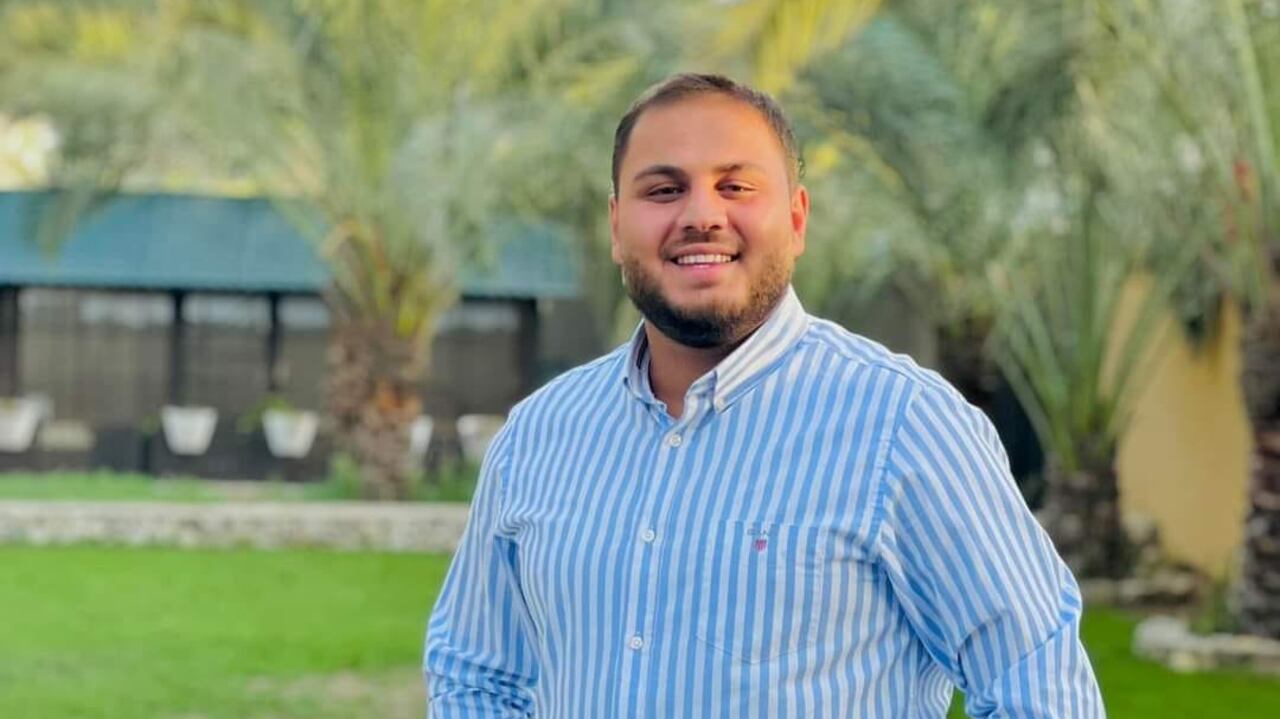
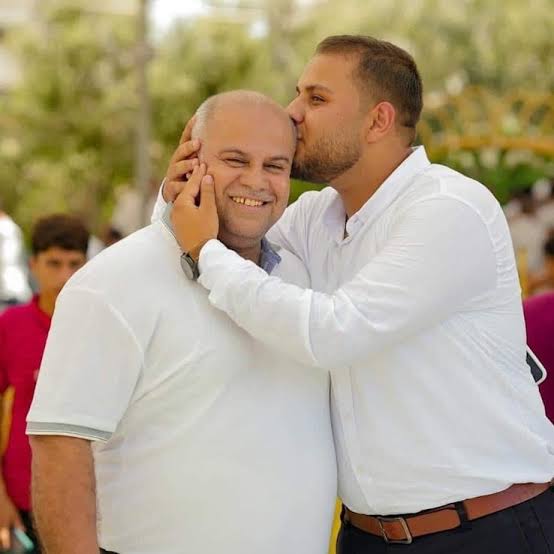
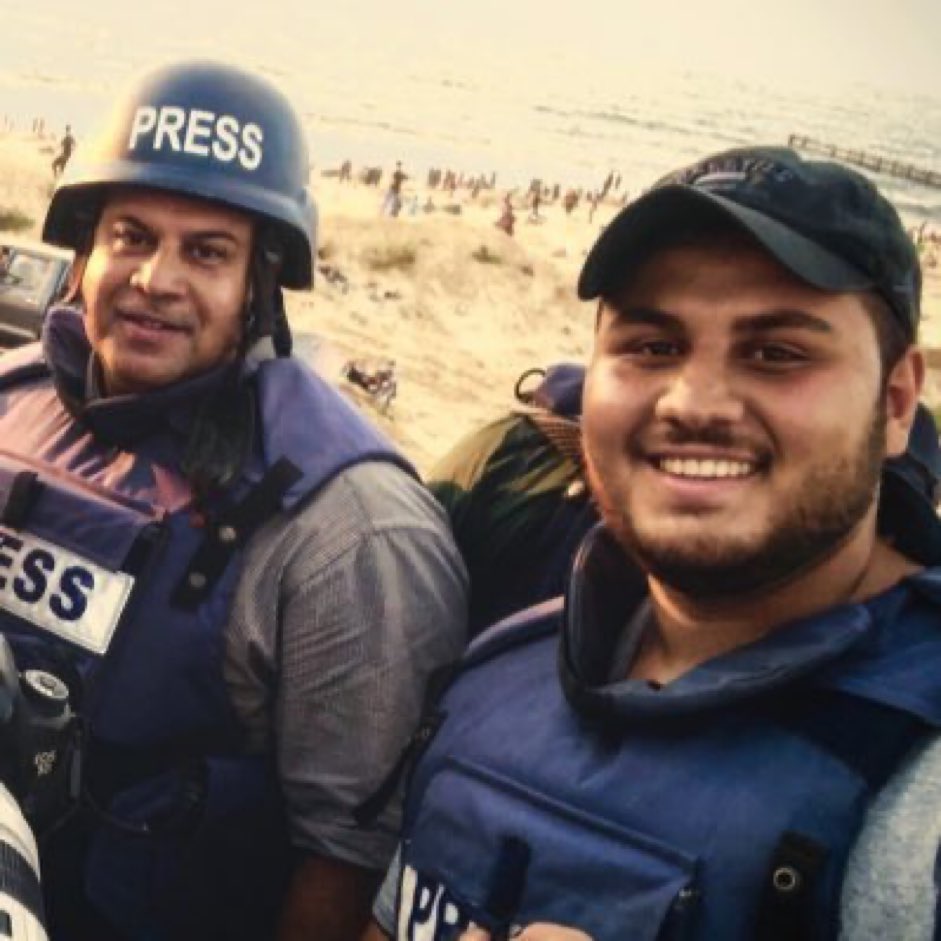
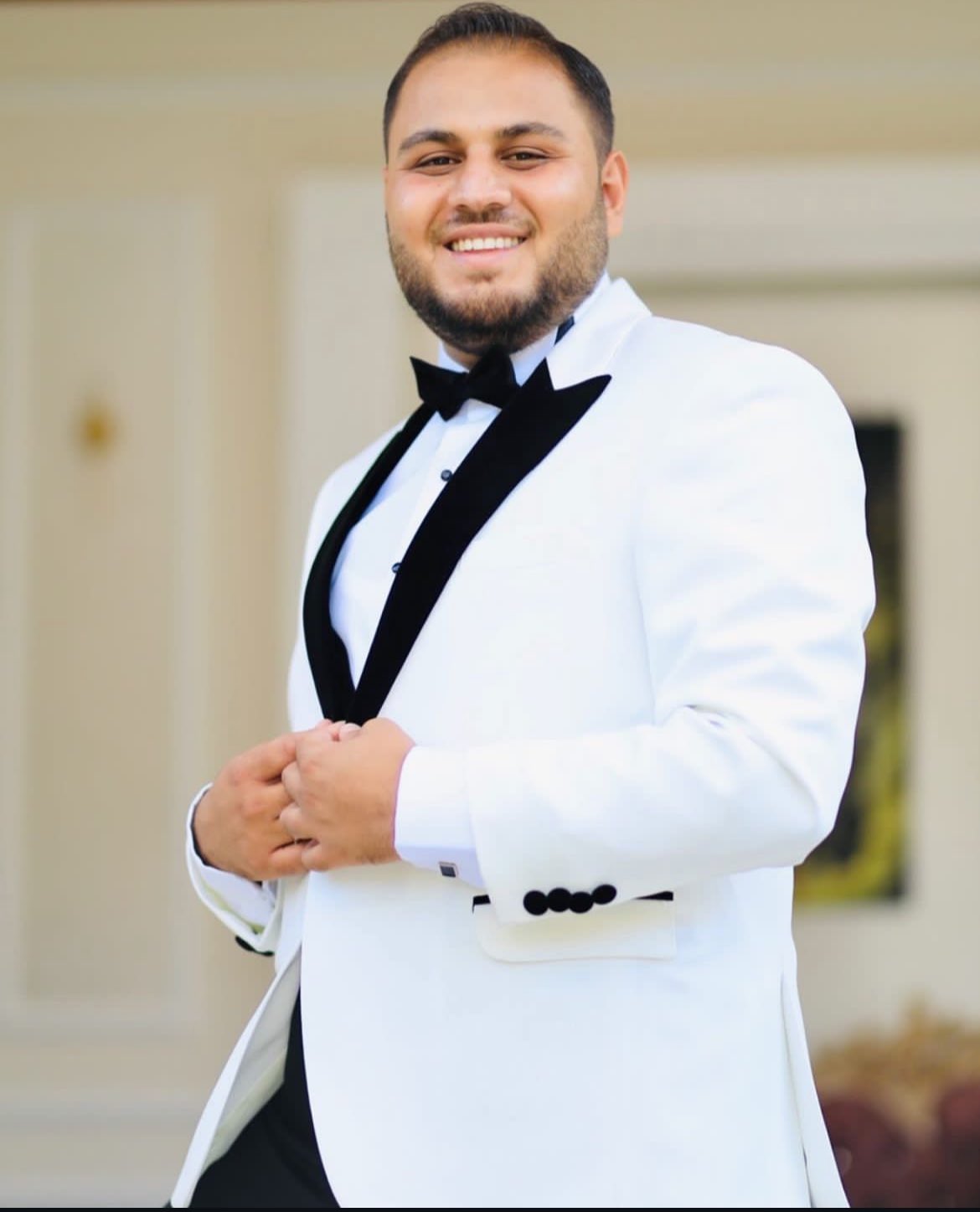
Hamza Wael Hamdan Ibrahim al-Dahdouh was born in Gaza City on July 9, 1996. He graduated from the University College of Applied Sciences with a bachelor’s degree in media and communication technology. His father, Wael al-Dahdouh, is a renowned journalist and Gaza bureau chief for Al Jazeera.
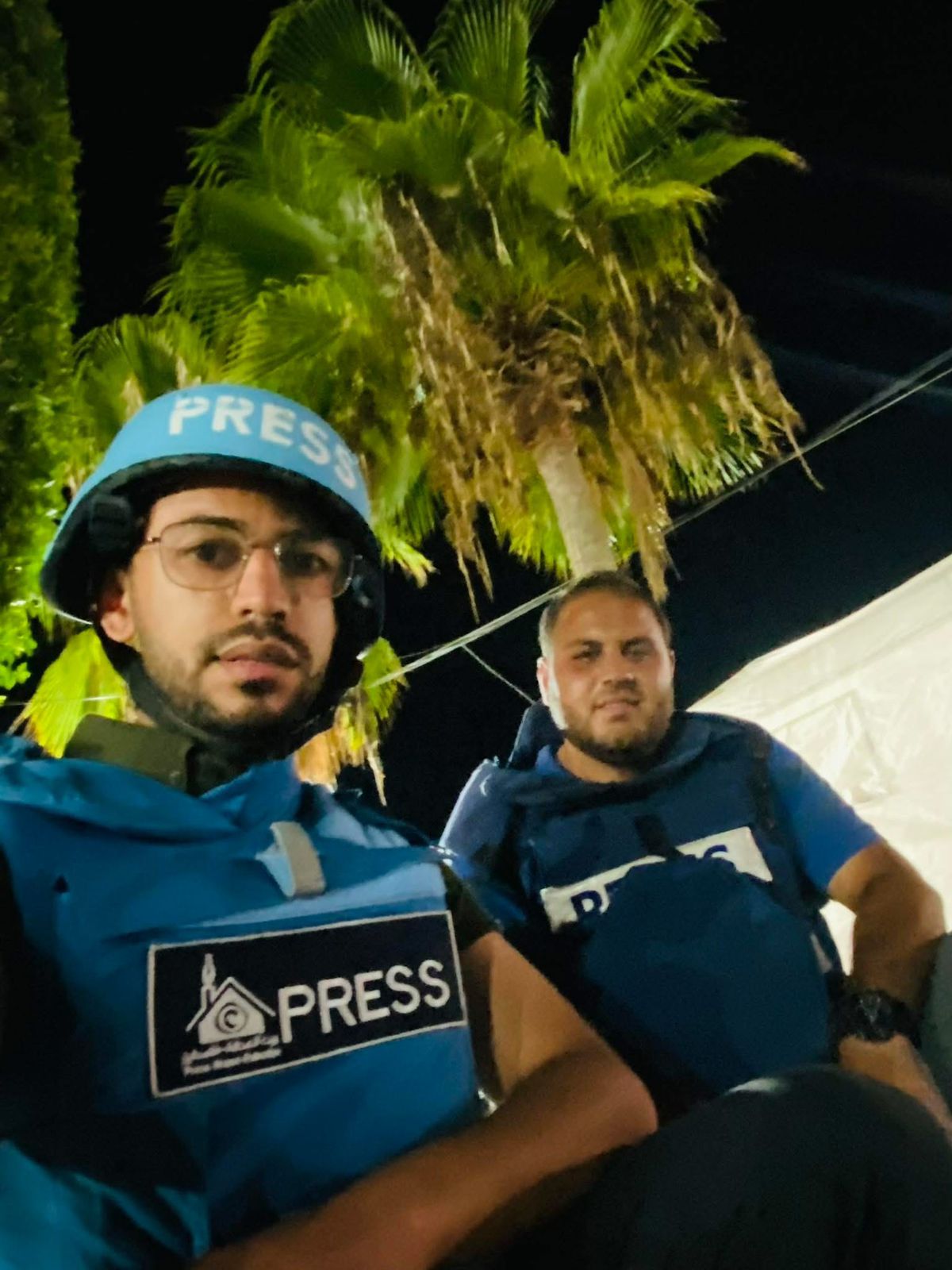
Al-Dahdouh was following in his father’s footsteps, working for Al Jazeera as a field producer and an assistant cameraman. On January 7, 2024, al-Dahdouh and two colleagues were driving near al-Mawasi to report on the aftermath of an airstrike the night before. An Israeli missile strike targeted their vehicle. Al-Dahdouh was martyred alongside cameraman Mustafa Thuraya and their driver, Qusai Salem, while a third journalist, Hazem Rajab, was seriously injured.
“Hamza was everything to me, the eldest boy, he was the soul of my soul … these are the tears of parting and loss, the tears of humanity,” his father said at his burial. Al-Dahdouh was 27 years old. He is survived by his wife, his father, and five siblings. In earlier targeted strikes on the al-Dahdouh family home, al-Dahdouh’s mother, two of his younger siblings, and his nephew were martyred.
Show less
يعني في كثير زملاء صراحة كانوا بمثابة إخوة إلنا، I mean, a lot of our colleagues really became brothers to us — يعني زي الله يرحمه زميلنا حمزة الدحدوح. like, for example, our colleague Hamza al-Dahdouh, may God have mercy on him. يعني حمزة، رحت أنا واياه قبل الحرب نسجل في الجامعة للماجستير، Before the war, Hamza and I went to enroll in a master’s program together, ومع الأسف صارت الحرب وما كملنا، يعني. but unfortunately, the war started, and we weren’t able to pursue it. وحمزة الله يرحمه، Hamza, may God have mercy on him, يعني استشهد في أول أشهر الحرب مع مجموعة من الزملاء was martyred in the first few months of the war, along with several colleagues, نتيجة استهداف سيارة. when the car they were in was targeted.
يعني حمزة كان أخو، صراحة، بالنسبة إلي. Honestly, Hamza was like a brother to me. كان صديق عزيز، كان مؤدب، متواضع. He was a dear friend; he was a well-mannered, humble person. وكان عنده حلم وطموح، لكن هذا الطموح وحلمه ما تحققوا بسبب قصفه واستشهاده. He had dreams and ambitions, but those ambitions and dreams were never realized, because he was martyred in the bombing. الله يرحمه يا رب. May God have mercy on him.
دائما كنا والله نتقاسم الضحكات والأحزان والأتراح معا. We really did share everything, the laughter, the sadness, the grief. لكن هذا نصيبه، قضاء الله وقدره. But that was his fate, God’s will and decree. إنه ربنا يصطفيه شهيدا، والدته كمان استشهدت وعدد من أفراد عائلته. God chose him as a martyr, along with his mother and several members of his family. فهذه الحياة، يعني، اللي بنعيشها. This is the life we’re living. كل يوم نفقد زملاء صحفيين عاملين في الميدان، Every day, we lose fellow journalists in the field لأن الاحتلال الإسرائيلي بيسعى انه يطمس الحقيقة والصورة بهدف طمسها because the Israeli occupation is trying to crush the truth and stop the images from getting out, وعدم فضح جرائم الاحتلال. so that its crimes are not exposed.
لكن إحنا متواصلين، بالرغم من كل المخاطر التي تحيط فين. But we keep going, despite all the dangers surrounding us. واستهدافنا المباشر، We are being directly targeted as journalists, وإصابة كثير زملاء، حاليًا كمان محرومين من انهم يتلقوا العلاج في مستشفيات الخارج. and many of our colleagues have been injured and are now being denied treatment in hospitals outside Gaza. هذا، يعني، واقع إحنا بنعيشه على مدار حرب الإبادة This is the reality we have been living throughout this genocidal war. الجماعية اللي طالت الأخضر واليابس، وما فرّقت بين صحفي أو مسعف أو دفاع المدني، It has spared nothing and makes no distinction between journalists, paramedics, or civil defense workers, لأنّ الكل في هذه الحرب، يعني، مستهدف. because everyone in this war is a target.
والله، في ذكريات كثير بتجمعنا مع حمزة، الله يرحمه، يعني، I have so many memories of Hamza, God have mercy on him, خاصة الفطور الصباحي. especially our breakfasts together. دائمًا هيك كنا نروح نفطر على البحر، في سوق الزاوية، سوق شعبي في غزة. We were always going out for breakfast, to the sea or at al-Zawiya Market, a popular market in Gaza. في ذكرى كمان: قبل الحرب، أنا واياه رحنا نسجّل للماجستير، وسجّلنا، ورحنا عالجامعة في نفس الدفعة. I also remember how, just before the war, Hamza and I went to enroll in the university together. We were in the same cohort. فبعد شهر صارت الحرب، وما لحق حمزة انه يكمل التخصص لأنه استشهد بسبب حرب الإبادة، يعني. A month later, the war began, so Hamza never got the chance to continue his degree, because he was killed during this genocidal war. هذول يعني، أكثر شيء، صراحة يعني دائما بتذكرهم. These, I mean, are the things that, more than anything, I remember the most. بقول: يا الله، كيف لما كنا نروح نفطر، ناكل، المناسبات، الأحزان، الأفراح... I keep thinking, ya Allah, all those times we had breakfast, all the times together — the sad times and the happy ones… كثير كثير أشياء كنا نتبادلها بين بعض. There were so, so many things we shared between us.
Show less
مرحبًا، تحياتي إلكم. Hello, and greetings to you all. في البداية، الرحمة والخلود لكل زملائنا الصحفيين، والشفاء العاجل لجميع الجرحى. May God have mercy and immortalize our fellow journalists, and may He grant speedy recovery to all the wounded. يحدّثكم حازم رجب، صحفي من قطاع غزة. I am Hazem Rajab, a journalist from Gaza. عشت الألم بجميع أنواعه؛ I have lived through every kind of pain, بداية من النزوح، starting with displacement, ثم الإصابة، then injury, ثم فقد الزملاء الصحفيين، then the loss of fellow journalists, ثم فقد أفراد من العائلة، the loss of family members, وفقد منزلي اللي تعبت كثير في بنائه. and the loss of the home I worked so hard to build. وكان حلمي أعيش فيه زي أي شخص في العالم. My dream was to live in my home like anyone else in the world. لكن الاحتلال الإسرائيلي كان له رأي آخر . But the Israeli occupation army had a different idea.
أنا واحد من الصحفيين اللي تعرضوا للإصابة أثناء العودة من التغطية الصحفية، أنا ومجموعة من الزملاء، I was injured, along with several of my colleagues, on the way back from covering a story. حيث تم استهداف السيارة التي كنا نستقلها استهدافًا مباشرًا بصاروخ من طائرة. The car we were in was directly targeted by a missile fired from a plane overhead. نتج عن ذلك الاستهداف استشهاد زملائي حمزة الدحدوح ومصطفى ثريا، My colleagues, Hamza al-Dahdouh and Mustafa Thurayya, were killed. وتعرضت أنا وزميلي محمد القهوجي لإصابات بليغة جدًا، نعاني على إثرها إلى الآن . My colleague Muhammad al-Qahwachi and I were both severely injured, and we continue to suffer from the effects of those injuries to this day.
مش عارف شو أقول. I don’t know what to say. ويمكن، يمكن يومها، يوم الاستهداف، ما توقعت يكون آخر يوم أشوف فيه زملائي، The day we were targeted, I didn’t expect it would be the last time I ever saw my colleagues. بحكم إنه إحنا كصحفيين محميين بموجب القانون. As journalists, we were protected by international law. لكن اكتشفت إنه الرصاصة والصاروخ والشظية ما بتميّز بين كاميرا وسلاح، But I discovered that bullets, missiles, and shrapnel don’t distinguish between a camera and a weapon. وإنه الجميع معرّض للموت بدون تفرقة؛ إذا كنت صحفي أو كنت مسعف أو كنت إنسان. Everyone is vulnerable to death — whether you are a journalist, a paramedic, or simply a human being. مجرد إنك إنسان في غزة، فأنت معرّض للاستهداف. Simply being a human being in Gaza makes you a target. أنا فقدت زملائي مصطفى وحمزة وغيرهم. I lost my colleagues, Mustafa, Hamza, and others. كانوا مش بس زملاء؛ They were more than just coworkers. كانوا إخوة وأكثر من إخوة. They were brothers and more. مش عارف إيش أقولكم أو كيف أوصف لكم اللحظات. I don’t know what to say or how to describe those moments. لكن عارفين لما كنا نضحك مع بعض، أنا والزملاء، بين كل قصف، ونواسي بعض ونثبّت بعض، But, you know, we would laugh between one bombing and the next, consoling and encouraging one another رغم الخوف اللي كلنا كنا عايشينه. despite the fear we felt. ولما تشاركنا كلنا رغيف خبز واحد، ولما كنا ننام على فرشة واحدة، We all shared one loaf of bread, and we all slept on the same mattress. ولما واحد فينا كان يمزح لما نصحى الصبح ونقول: We would joke in the mornings saying, «اه يا شباب، اليوم دور مين ينحمل على النعش ويستشهد؟» “Guys, whose turn will it be today to be martyred and carried in a coffin?” هاي التفاصيل الصغيرة هي اللي بتتخلّد بقلبي، وما بقدر أنساها. These details are seared in my heart, and I’ll never forget them. خلّيني أحدّثكم شوية عن مصطفى وحمزة . Let me tell you a bit about Hamza and Mustafa.
مصطفى وحمزة، الآباء اللي كانوا حابين يعيشوا مع أطفالهم ويكبروا بينهم ويربّوهم. Mustafa and Hamza were fathers who wanted to live beside their children, raise them, watch them grow, حتى لما يكبروا يكونوا سند إلهم. and grow old with them still by their side. مصطفى أب لثلاث أطفال. Mustafa was a father of three children. تخيّلوا، صاروا أيتام فجأة، Imagine: they suddenly became orphans. وكل ذنبهم إنه أبوهم كان حامل كاميرا. They were guilty of having a father who carried a camera, كل ذنبهم إنه أبوهم صحفي. a father who was a journalist, كل ذنبهم إنه أبوهم كان يحاول ينقل الرسالة وينقل الصورة للعالم a father was trying to deliver a message to the world. مصطفى وحمزة كانوا دائمًا يطلعوا على أي تغطية صحفية وهم ممشّطين شعرهم، وأنيقين، ومعطّرين، ولابسين أجمل اللباس، Mustafa and Hamza used to go into the field wearing nice clothes and wearing cologne, with their hair combed. لأنه كانوا يقولوا: إحنا حابين لما نستشهد نكون بأحلى صورة، They used to say that when we are martyred, we want to look our best. ولأنه لآخر لحظة كانوا حابين يكونوا أشخاص طبيعيين زي أي شخص بالعالم. Because they wanted to be like everyone else until their last moments. شوفوا، رغم الوجع والألم والنزوح والدمار اللي كنا فيه، Look, despite the pain, anguish, displacement, and destruction we were enduring, لكن كانوا حابين يعيشوا. they wanted to live. كانوا حابين يعيشوا ويكونوا بأجمل صورة. They wanted to live and look their best. يمكن الصاعقة إنه لما استشهدوا، What is shocking is that when they were martyred, الاحتلال حرمهم من هذا الحلم: the occupation stole that dream: إنهم يستشهدوا بملابس مرتبة، to be well-dressed martyrs. لأنه الصاروخ اللي استهدفنا ما خلّى إلهم أجساد. Because the missile that struck us left them without bodies. خرجوا من السيارة أكوام من اللحم، من دون معالم. They came out of the car as heaps of flesh with no identifiable features. ما قدرنا نتعرّف عليهم. We could not identify them. شوفوا، حتى إنهم يموتوا بملابسهم، حرمهم الاحتلال منها. Even the right to die in their own clothes was taken from them by the occupation. حرم أهلهم وأصحابهم وزملاءهم إنهم يشوفوهم ويودّعوهم بوجوه سليمة. The occupation denied their families, friends, and colleagues the chance to see them and say goodbye to them with their faces intact. لأنه، بكل أسف، وبكل أسف، بكل أسف، وما بخجل، وما بخجل، مرة ثانية، لما أقول إنهم كانوا بلا رؤوس. Because, with the deepest sorrow, with sorrow, with sorrow but without shame, I say again that they had no heads. كانوا بلا أجسام. They had no bodies. وخرجوا من السيارة أشلاء متفحّمة بدون معالم إطلاقًا. They were thrown out of the car as completely charred remains. رحمة الله عليهم. May God have mercy on them. ويمكن حتى أنا، اللي طلعت عايش من لحظة الإصابة وحتى اليوم، وأنا بعاني من تكرار العمليات وبعاني من الأوجاع. Even I — who survived the strike — I still suffer from pains and have undergone surgeries. ورغم إني مصاب، ورغم كل اللي بمرّ فيه، Although I am injured and struggling, تم منعي من السفر عشان ألاقي حقي بالعلاج. I was prevented from traveling to obtain the treatment to which I am entitled. تخيّلوا، حقي بالعلاج. Imagine: my right to receive treatment! الاحتلال الإسرائيلي حرمني منه The Israeli occupation deprived me of it. الاحتلال الإسرائيلي بحاول يمحي إنسانيتنا. The Israeli occupation is trying to erase our humanity. ودائمًا بحاول يخلّي الصحفي مجرد رقم It is constantly trying to turn journalists into mere numbers. بس إحنا، يا جماعة، مش أرقام. But we are not numbers. إحنا، كل واحد منا أب، أخ، صديق. Each one of us is a father, brother, and friend. كلنا عنا ذكريات ولحظات جميلة . We all share beautiful moments and memories.
حتى إني بتذكّر آخر لحظاتنا مع بعض قبل ما يصير الاستهداف. I even remember our last moments before we were targeted. كان كل حديثنا عن قديش بنتمنى نهاية الحرب، All we talked about was how much we wished the war would end والعودة لبيوتنا المدمّرة وإعادة بنائها من جديد. so we could return to our ruined homes and rebuild them. ونرجع لحياتنا الطبيعية اللي فقدناها بشدة، We talked about going back to our normal lives, which we had missed so much. ونرجع نجتمع بأهالينا اللي الاحتلال كان حارمنا إننا نجتمع فيهم أو نشوفهم، To reunite with our families, who the occupation deprived us of seeing. من خوف إنهم يستهدفوا أهالينا، أو يعرفوا وينهم ويستهدفوهم. We feared the occupation would target them or track them down and attack them. كلنا كان عندنا ذكريات، وكلنا كان عندنا أوجاع. We all had our memories; we had our pain, ولكن كان عندنا أمل: but we also had hope, إنه نعيش حياة طبيعية زي أي ناس في العالم. hope that we could live a normal life like anyone else in the world. ويمكن الصحفي في غزة مش زي أي صحفي بالعالم، I guess being a journalist in Gaza is not like being a journalist anywhere else in the world. لأنه إحنا مكشوفين للموت بكل لحظة. Because we are exposed to death at every turn. رغم إن القانون الدولي بيحمينا كصحفيين، بس الحقيقة على الأرض غير هيك. Despite international law protecting us as journalists, the reality on the ground is different. إنت مش محمي. You are not protected. بالعكس إنت تُقتل عمدًا On the contrary, you are deliberately killed. لأنك بتوصل الرسالة وبتنقل صوت المظلومين Because you are carrying the message and the voices of the oppressed, وصوت الناس اللي عايشة في الجوع وعايشة في الدمار. the people living with hunger and living in ruins. يمكن أنا اليوم ما بسمع منيح، Maybe today I can’t hear so well, وبعيني غشاوة بسبب إصابتي and my eyesight may be blurry because of my injury, بس شايف الحقيقة أوضح من أي وقت سابق but I see the truth clearer than ever. الحقيقة إنه الصحفي الفلسطيني رح يضل يحكي، وحتى لو صوته انكسر، وحتى لو جسده انجرح The truth is that the Palestinian journalist will continue to speak up, even if his voice is broken, even if his body is wounded. رح يضل يحكي وينقل الصورة He will continue to speak and to show the reality.
في النهاية، رسالتي كم: Finally, my message to you all: ما تنسونا كبشر. Do not forget that we are humans. إحنا مش بس شهود على الحرب. بالعكس، إحنا جزء منها We are not merely witnesses to a war. We are part of it. دمنا، Our blood, ضحكتنا، laughter, خوفنا، fear, كل شي فينا جزء من هذه الرواية. and everything within us is part of the story. وكل واحد منا إله قصة زي اي قصة، وزي أي شخص بالعالم. Every one of us has a story like every human in the world. ومش مجرد أرقام We are not numbers. والأهم، إلنا زملاء ارتقوا، بس لسه عايشين فينا. More importantly, we have colleagues who have departed as martyrs but still live within us. ومصطفى وحمزة، وكل شهيد صحفي، راح نكمل نحكي حكايتهم. Mustafa, Hamzah, and every martyred journalist — we will continue to tell their stories. والميدان علّمنا إن الشجاعة مش بس إنك تطلع قدام الكاميرا The field has taught us that courage is not just standing in front of the camera. الشجاعة إنك تتحمل فقدان زميلك وتكمل الطريق Courage is withstanding the loss of your colleague and staying the course. والشجاعة إنك توقف على رجليك رغم كل جروحك. It is to stand on your two feet despite your wounds. شكرًا لكم. Thank you. وبتمنى نهاية الحرب عن قريب I hope the war ends soon. ورحم الله جميع زملائنا، وشفى الله جميع المصابين والجرحى. May God have mercy on all our fellow journalists and may the wounded be healed.
Show less
يعطيكم العافية جميعا. May God grant you all strength. في البداية قبل كل شيء، رحم الله زملائنا الصحفيين وجميع الشهداء في قطاع غزة. Before anything else: May God have mercy on our fellow journalists and all our martyrs in the Gaza Strip. خليني احكيلكم الوضع في قطاع غزة. Let me tell you about the situation in Gaza. كتير صعب وهذا الشيء انتوا بتشوفوه من خلال الصور والمشاهد اللي بنقلها الكم، الصحفي من داخل القطاع. It is extremely difficult, and you can see that yourselves through the images and footage that we bring to you, the journalists from within the Strip. الصحفي في القطاع، يعني خصوصا في قطاع غزة خليني أحكيلكم، مش يعني… مش شخص بيصور أو بيكتب بس، Journalists — let me tell you — don’t just take photos or write, particularly in the Gaza Strip. الصحفي هنا عنا في القطاع يمثل عين الناس اللي ما حدا شايفهم. Journalists here are the eyes of the people to whom the world is blind. بصدق وأمانة الصحفي بيقوم بدور صعب جدا في هذه الحرب. In all honesty, journalists here have an incredibly difficult role in this war. وأكيد كلنا عارفين كيف الاحتلال بيحاول كل يوم وكل ساعة وكل دقيقة انه يسكت هذا الصحفي، We all know, of course, how the Israeli occupation tries, every minute, every hour, and every day to silence journalists. كيف بنشوف زملائنا الصحفيين يتعرضون للتهديد و للقصف وللإغتيال. We see our fellow journalists being threatened, bombed, and assassinated, وهذه كلها محاولات لتخلي الحقيقة ما تصلش للعالم. and these are all attempts to prevent the truth from reaching the world. بس على الرغم من هذا الشيء الصحفي الفلسطيني الغزاوي رغم الخوف رغم الخسارة ما بيتراجعش. But despite all of this, Palestinian journalists in Gaza, despite the fear and the loss, do not back down. بيضل وبيطلع للميدان وهو عارف انه يمكن يكون اليوم الأخير له، They keep going out into the field, knowing that this could be their last day. بس بختار يكمل لانه عارف الكلمة والصورة مهمين كتير لينقلوا معاناة شعب وقطاع بأكمله للعالم في الخارج. But they choose to keep going because they know how important reportage is in showing the outside world what an entire people, all of Gaza, is going through.
لما أنا بسمع كلمة صحفي، أول شخص يخطر على بالي الصحفي حمزة الدحدوح. When I hear the word “journalist,” the first person who comes to mind is Hamza al-Dahdouh. هنا أنا ما بحكي عن مجرد صحفي استشهد، I’m not talking about Hamza simply as a journalist who was martyred. حمزة كان واحد من الناس اللي كل العالم شافت قديش الاحتلال استهدف عيلته The whole world watched as the Israeli occupation targeted his family مرة ورا مرة again and again. فقد أمه. He lost his mother. فقد إخوته. He lost his siblings. فقد أقرب الناس له. He lost the people closest to him. أي إنسان عادي كان ممكن ينهار أو ما يكمل. Any ordinary person might have broken down or been unable to carry on. لكن حمزة بهذا الوقت اختار انه يكمل. But at that point, Hamza chose to keep going. كان بيحمل الكاميرا وهو عارف انه كل يوم ممكن يكون اليوم الأخير له. He held the camera knowing that every day might be his last. ومع هيك كان يطلع يغطي ويصور. And even then, he kept going out to report and document. وكان يحكي للعالم: أنا شاهد. He would tell the world, “I am a witness.” حمزة كان شايف حاله امتداد، يعني خليني احكيلك، لوالده الصحفي وائل الدحدوح. Hamza saw himself, let me put it this way, as an extension of his father, the journalist Wael al-Dahdouh. الصحفي كلنا عارفين وائل الدحدوح صار رمز للصمود بعد ما فقد عيلته، We all know the journalist Wael al-Dahdouh; he became a symbol of steadfastness after losing his family. ضل واقف ينقل الحقيقة. He remained on his feet, reporting the truth. وحمزة قرر يكمل الخط جنب والده يسانده ويحمل عنه جزء من هذا الحمل. Hamza decided to continue along that path beside his father, supporting him and carrying part of that same burden. وكانوا الاثنين واقفين بنفس المعركة: They were both fighting the same battle, معركة الصوت، the narrative battle, ومعركة الصورة، the battle of the image, ومعركة الحقيقة. and the battle of truth. لكن الاحتلال كلنا عارفين ما رحمهم. But the Israeli occupation, as we all know, showed them no mercy. انتقم من والده باغتياله. It sought revenge on Wael al-Dahdouh by assassinating Hamza. حتى بعد استشهاده، بعد استشهاد حمزة، الصحفي وائل ما توانى عن واجبه. Even after Hamza’s martyrdom, Wael did not stop carrying out his duty. الصحفي كمل لحد ما حاولوا اغتياله. Wael kept going until they tried to assassinate him. لكن نجا، ما تركوه واجبروه يطلع برا غزة وكان الثمن. He survived, but they still didn’t leave him alone. They forced him to leave Gaza — this was the price. الكل عارف التهديد حياة أولاده، لهيك اختار انه يطلع برا غزة. We all know his children’s lives were threatened, which is why he chose to leave Gaza.
مش بس حمزة كان مصيره هيك. It wasn’t just Hamza. ٢٣٨ صحفي تم اسكاتهم بنفس الطريقة، Two hundred and thirty-eight journalists were silenced in the same way, وبنفس الأسلوب، through the same means, وهو الاستهداف. and that is targeting. ومنهم، يعني خليني أحكي لك، رفيقة عمري واختي الشهيدة الصحفية الزهراء أبو صخيل. And among them was my lifelong friend, my sister, the martyred journalist Al-Zahraa Abu-Sukheil. كلنا بنعرف انه في الحرب أغلب العائلات اضطرت تنزح للجنوب، We all know that during this war, most families were displaced to the South. وفعلا عائلة الزهراء كلها نزحت هناك، عشان يدوروا على شوية أمان. And really, most of her family was displaced, بس هي اختارت تظل في الشمال but she chose to stay in the North. ما قدرت تسيب والدها وما قدرت تترك رسالتها. She could not leave her father, and she couldn’t abandon her mission. وقررت انها تواجه المصير شو ما كان. She decided she would meet her fate, whatever came. كنت كل يوم احكي مع رفيقتي الزهراء واحكيلها ما تطلعي، القصف كتير. I used to talk to my friend Al-Zahraa every single day and tell her, “Don’t go out, there is too much bombing.” ما كانت ترد عليا. She would not listen to me. كانت تحكيلي أنا وجودي مش بس شغل. She would tell me, “My being there is not just about work. هذه أمانة في رقبتي. This is a duty I’ve been entrusted with.” كان عندها قناعة انه صوتها وصورتها لازم يوصلوا لأبعد مكان من غزة، She was convinced that her stories had to reach as far beyond Gaza as possible عشان يشوف العالم شو الاحتلال بيعمل في الأطفال والنساء في المدنيين. so that the world could see what the Israeli occupation was doing to children, women, and civilians. ورغم الخوف والقصف كان في عندها قرار: Despite the fear and the bombing, she had made up her mind. أنا مش رح أسيب والدي ومش راح أسيب رسالتي. “I am not leaving my father, and I am not abandoning my mission.” وهذا الموقف يعني كفيل يورجينا قديش، يعني، الزهراء كانت صاحبة صوت وصاحبة كلمة. This situation showed me how Al-Zahraa was a woman with a voice, with something to say. الكل كان يتمنى يعيش وهي اختارت تضل في قلب الخطر، Everyone wanted to live, yet she chose to stay in the heart of the peril. مش لانه ما بتحبش الحياة بالعكس... Not because she did not love life — quite the opposite… لانها كانت تحبه لدرجة انها بدها تحافظ على حقنا، She loved life so much that she felt it was her duty to fight for our rights. حقنا كشعب وحقنا ان نعيش بحرية في وطننا. Our rights as a nation to live freely on our own homeland. الزهراء كانت صادقة لآخر لحظة، لحد آخر نفس فيها. Al-Zahraa stayed true to herself until the very end, until her last moments. لما بنحكي عنها بنحكي عن بنت فلسطينية رفضت تتخبى. When we speak of her, we speak of a Palestinian woman who refused to hide. عن صحفية اختارت تضحي بشبابها عشان الناس وأرضها، A journalist who chose to sacrifice her youth for her people and her land. وقررت، يعني، بالأخير تكون صوت الحق حتى أخر لحظة من عمرها. And in the end, she chose to be a voice for truth until the very last moment of her life. أنا بالأخير يعني ما بقدر أقول غير رحم الله زملائنا ورفاقنا الصحفيين، In the end, all I can say is: May God have mercy on our fellow journalists and comrades. وحفظ الله من واصلوا ومن اتبع نهج هؤلاء الصحفيين. May God protect those who carry on, following in the footsteps of those journalists واصلوا تأدية واجبهم رغم كل المخاطر والتهديدات التي تحيط بهم في هذا القطاع. and continuing to do their duty despite all the dangers and threats surrounding them in Gaza. نتمنى من الله أن يفرج عنا في القريب العاجل. We pray that God brings us relief very soon.