Hassan Eslayeh
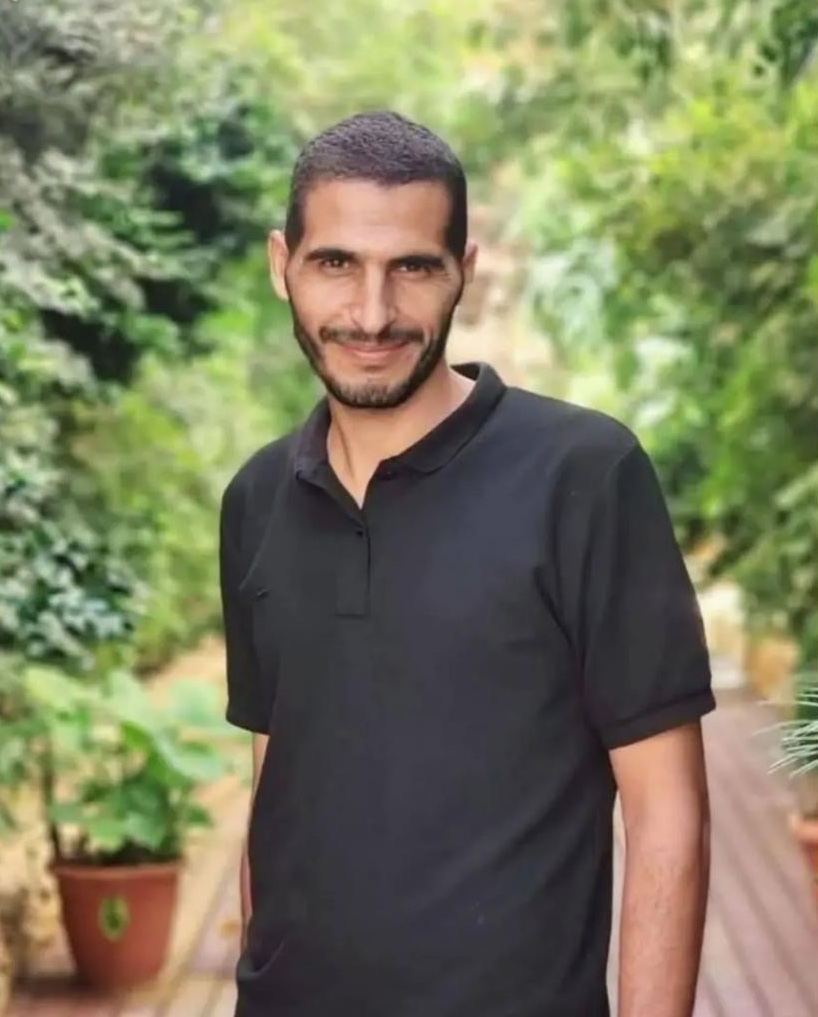
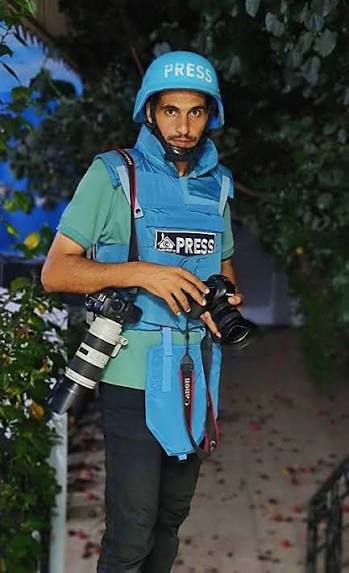
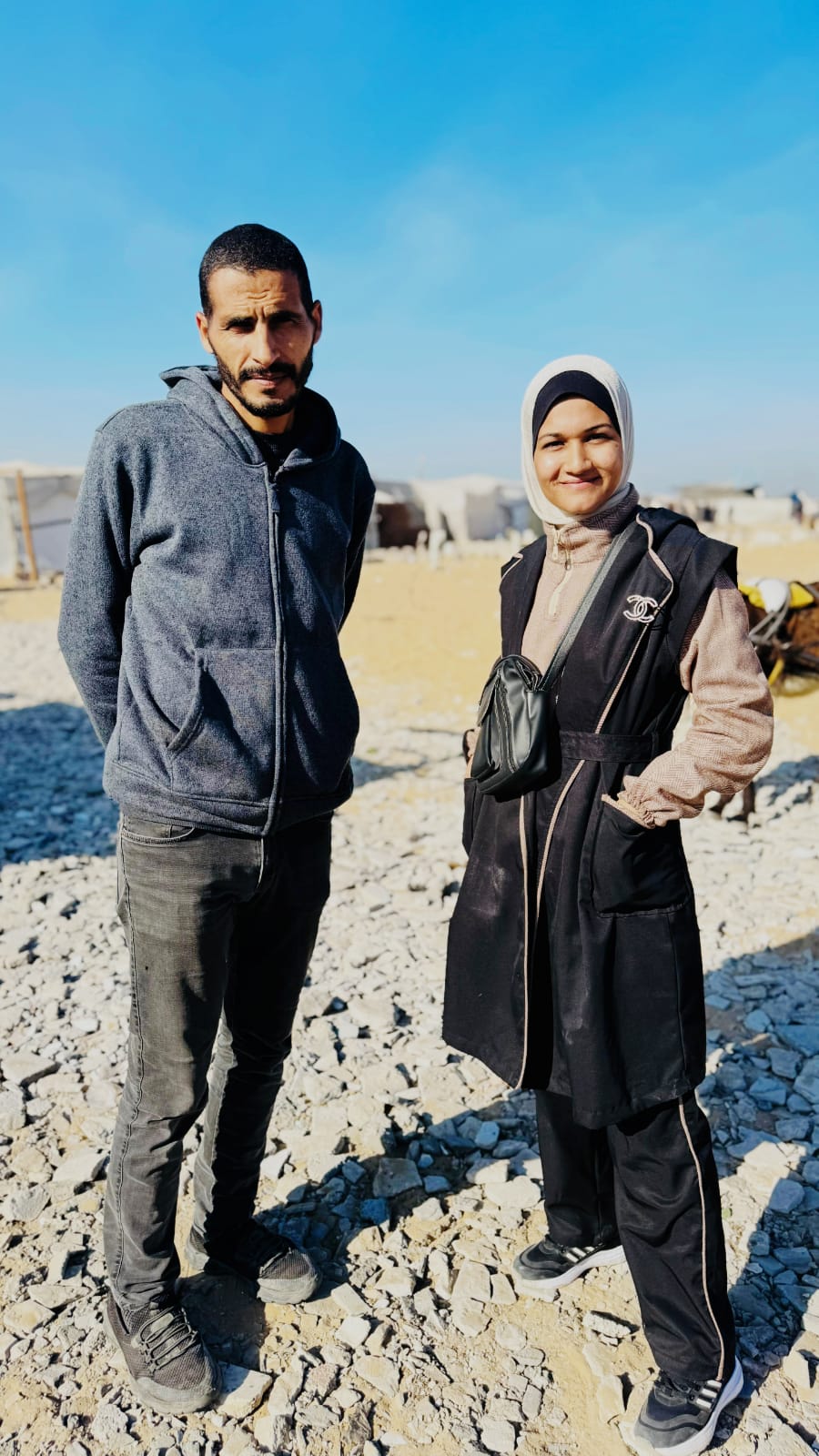
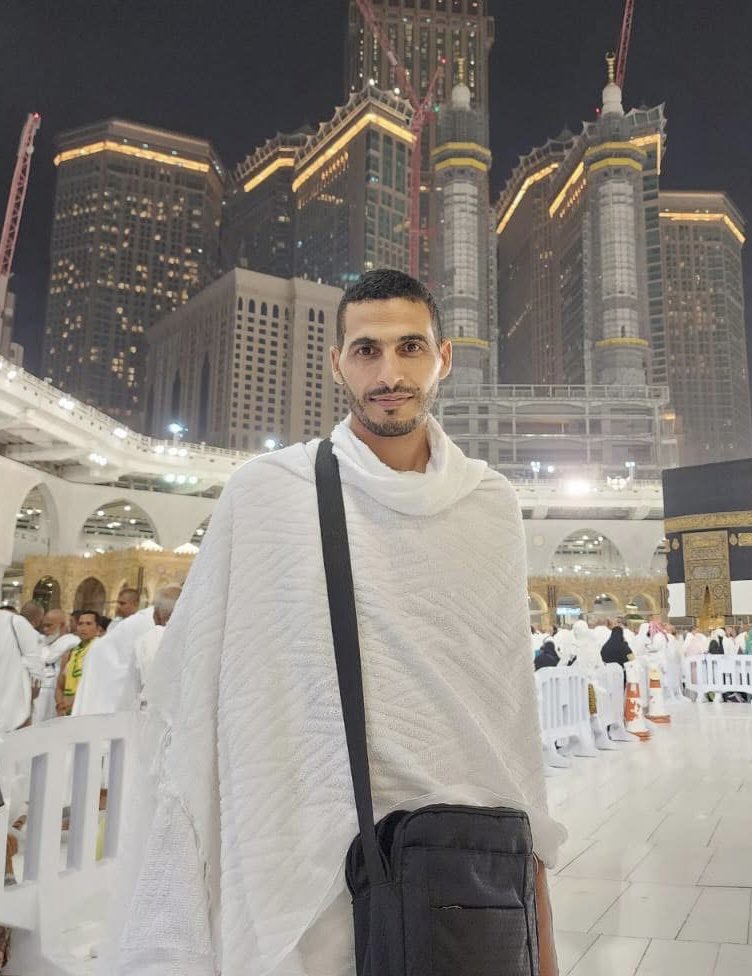
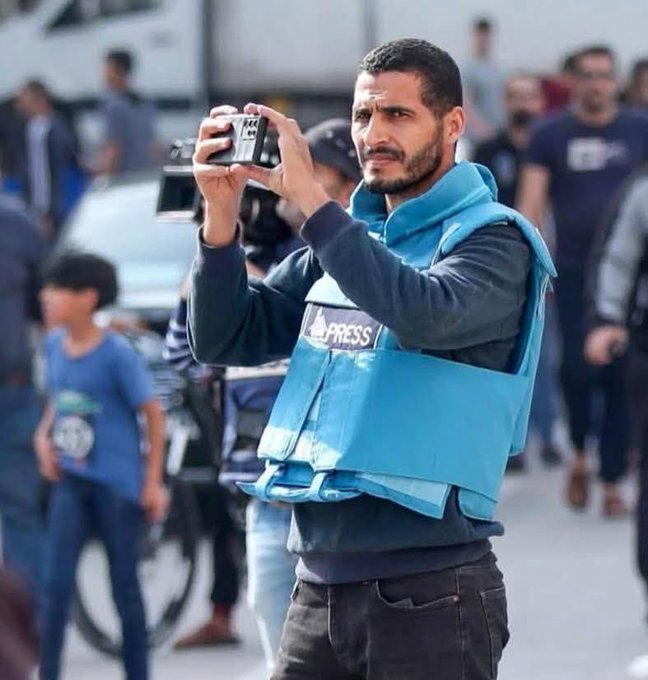
Hassan Abdel Fattah Mohammed Eslayeh was born in Khan Younis on December 18, 1987. He began his career as a photographer and journalist in 2009, reporting for international outlets, including CNN and the Associated Press, as well as local media. He became director of Alam24 News Agency. Eslayeh was known for his around-the-clock coverage and mentorship of aspiring journalists in Gaza.
Eslayeh’s photographs and videos of the genocide reached millions via publications and his social media. His footage made him a target; on April 7, 2025, the IOF bombed a journalists’ tent outside of Nasser Hospital, attempting to assassinate him. He remained undeterred. In one of his final interviews, conducted as he recovered from his injuries, he said: “If the Israeli army kills me, the photos I took and the stories I told the world will live on. My name, my cause, and my voice will live on — and the occupation will die.”
Eslayeh was martyred in a second targeted airstrike at Nasser Hospital on May 13, 2025. He was 37 years old.
He is survived by his wife, Um al-Abed, and their four children.
Show less
أنا أحمد النجار، صحفي فلسطيني من جنوب قطاع غزة، I am Ahmed al-Najjar, a Palestinian journalist from the southern Gaza Strip, في مدينة خان يونس، the city of Khan Younis, وبسجل لكم الآن من مخيمات النزوح في مدينة خان يونس and I’m recording this message now from the displacement camps in Khan Younis. وأنا بقول يعني صحفي To be honest, when I call myself a journalist, وأنا يعني خجلان ومستحي أقولها قدام النماذج، و مقارنة بالأشخاص اللي راح أذكرهم كمان شوية I feel a bit ashamed to compare myself with the people I’ll be talking about in a bit. يعني، يعني أنا ايش قدمت وبقدم اللي هم عملوه؟ I mean, what have I really done, what have I sacrificed? والله يرحمهم. May God have mercy on them.
فنبدأ من أول شهر في حرب الإبادة، ١٠/٢٠٢٣، Let’s start with the first month of the genocide, in October 2023, لما الأحزمة النارية كانت ما بتوقفش when the airstrikes and the bombardment never stopped. والواحد يعني أكبر همه وأكثر دعائه انه: At that time, our biggest fear, our most repeated prayer, was just, «يا رب سلّم، وما نفقد أي حدا عزيز» “Oh God, keep us safe and let us not lose anyone we love.” ولكن النصيب انه أول شهيد نفقده من العيلة، But fate had it that the first martyr we lost وأيضا يعني على الصعيد الشخصي، من معارفي ومن كوكبة الصحفيين، from among my family and among my circle of journalists هو ابن عمي حذيفة النجار. was my cousin, Huthaifa al-Najjar. حذيفة النجار كان يعني أحد الأسماء… Huthaifa al-Najjar was one of the names… يعني، حذيفة كان من أبرز العاملين في مجاله one of the top names in his field. كان مجاله إنتاج المواد الإعلامية، الملتيميديا، He was among the most prominent people working in multimedia production, من فيديوهات، إنفوغرافيك، أو صور وما إلى ذلك creating videos, infographics, photographs, and other forms of media content. وعمل يعني مع عدة جهات ووسائل إعلام محلية ودولية كمان في نفس الوقت. He worked with many organizations and media outlets, both local and international. يعني، الله يرحمه. May God have mercy on him. لو كان عايش بيننا اليوم، If Huthaifa were here with us today, فحيكون يعني في الصفوف الأولى في النشر وتوثيق اللي بيصير he would be on the front lines documenting everything that is happening. وكان يا دوب لسه خاطب. He had only just gotten engaged. يعني ما لهوش شهر كان خاطب. I mean, he had not even been engaged for a month. وكنا نتمنى إننا نشوفه بيبدا حياته الزوجية. We all wanted to see his married life begin. ولكن استشهد، الله يرحمه، بآخر شهر ١٠، But he was martyred at the end of October, may God have mercy on him, وهو في زيارة لبيت صديقه، ليكون أول فرد من عائلتي while visiting a friend’s house, becoming the first martyr of my family. وأيضا من كوكبة الصحفيين في قطاع غزة. Also the first among my circle of journalists in Gaza that we lost.
وطبعا، ليكون أول واحد من فوق الـ١٥ شهيد من الدرجة الأولى And, of course, he became the first of more than 15 martyrs among my close relatives. يعني أختي الله يرحمها، عمي، أولاد وبنات عمي. My sister, may God have mercy on her, my uncle, my cousins. ومش حنوفيهم حقهم لو بدنا نتكلم. Words could never do them all justice. فالآن بدأت مشوار النزوح، Then the journey of displacement began, وأشهر طويلة and over many long months وشفنا اغتيال الصحفيين طول الفترة من بداية الإبادة لحتى الآن. we’ve watched journalists being assassinated this whole time, since the beginning of the genocide. يعني، الموضوع ما وقفش. I mean, it never stopped.
وكان، يعني أنا شخصيا، كنت أكره حاجة اسمها أخبار قبل الحرب. Personally, before the war, I hated anything called news. وما أتابعش ولا أوجع راسي فيها I didn’t follow it and didn’t want the headache. يعني، لكن بمجرد ما بدت، But as soon as the war started, صرت مدمن أخبار، يمكن بس الأمنية إني أمسك طرف خبر وقف الإبادة I became addicted to the news, watching for the smallest glimmer of hope that the genocide would end. يعني، هذا أكثر خبر الواحد كان بتتبّع عليه، That was the story I was following the most, وانه وضع لازم الواحد يكون عارف اللي بصير حواليه and in a situation like this, you have to know what’s happening around you. فهذا بالتدريج، يعني أشهر على أشهر من نزوح، وشوية الاتصالات صعبة، So little by little, month after month of displacement passed, and communications were difficult for a while, لكن لما الواحد استقر شويتين، قدر يعني ينخرط في هذا العالم ويكون له دور فيه. but once things became a little more stable, I was finally able to throw myself into this world and begin to find a place for myself in it. ويمكن من أكثر اللي دفعني اللي هو المشاهد. What drove me more than anything, maybe, اللي بنشوفها من اغتيال الصحفيين were the scenes of journalists being killed. يعني، انت لما تشوفهم بنقصوا، بينقرضوا يوم بعد يوم، When you see them being targeted, erased day after day, لانه في محتل بده يخرس أي صوت because there is an occupier that wants to silence every voice ويا عمي أيا عين للعالم للي بيصير في غزة and blind the world to what is happening in Gaza, فبتحس انه انت بما انه في عندك حاجة تقدمها، you feel that since you have something to offer يعني صاحب لغة، دارس اللغة وفاهم الجمهور، as someone with a grasp on language, someone who studied language and understands the audience, ممكن تصل لجمهور أوسع، maybe you can reach a wider public, فليش لا؟ so why not? يعني، احنا كده كده تحت هذه الإبادة. We are living under genocide either way. فلأ، نتكلم So we might as well speak. ويعني لن نذبح بصمت. We will not be slaughtered in silence. يعني العاقبة واحدة. The outcome is the same.
فالمشاهد اللي نشوفها ويمكن اسم بشكل خاص كان إسماعيل الغول، مراسل الجزيرة في الشمال في غزة. Among all the scenes we witnessed, one name in particular stayed with me: Ismail al-Ghoul, Al Jazeera’s correspondent in northern Gaza. يعني، سواء إسماعيل أو أنس، الله يرحمهم، في بداية الأشهر الأولى أصواتهم كانت معروفة إلنا أكثر من وجوههم. Whether it was Ismail or Anas — may God have mercy on them — their voices were more familiar to us than their faces in those first few months. أنا بشكل شخصي ما عرفت أشكالهم غير يعني بعد أشهر. Personally, I did not really learn what they looked like until months later. أنا اللي كنت حافظ الصوت تبعهم، لانه كان الواحد كل اللي عنده راديو. I had their voices memorized because, at the time, all you had was the radio. بالعافية، ما فيش تلفزيونات والانترنت يعني؛ There were no televisions or internet, really. بس راديو الجوال Just the radio on your phone. انه الواحد إذا قدر يسمع، نعمة ورضا. If you were able to listen, that itself was a blessing and something to be grateful for.
وهذا كان مصدرنا الوحيد. That was our only source. يعني، انت في وضع، آه، ما فيش، I mean, you were in a situation where that was all you had. هذا مصدرك الوحيد للأخبار واللي بيصير، خصوصا إذا بتعرف حد في الشمال، It was your only source for news, especially if you knew someone in the North أو من العائلة. or had family there. فإنك صوت تعودت عليه فوق الأحد عشر شهر، For a voice you’d been used to for more than 11 months أو عفوا، أيامها أقل من كده، — or sorry, back then it had been less than that — ويتم يعني اغتياله كده فجأة. for it to suddenly be killed like that. تبخير راسه، يعني. They vaporized his head. حرفيا، رأسه ما كانش له رأس بالفيديو اللي نزل. Literally, he had no head in the video that was released. هو إنسان نزحت أسرته عنه، He was a man separated from his family through displacement, ضل لحاله في مكان يعني هجر معظم الناس منه، اللي هو شمال القطاع left alone in a place most people had already been forced to leave: northern Gaza. وفي النهاية يغتاله الاحتلال بالطريقة البشعة الإجرامية هذه. And in the end, the occupation killed him in this brutal, criminal way. فعلا، انت لما تشوفهم يعني بيمحوا فيهم، When you watch them being killed, ويتم حصد الأصوات هذه، فغصبا عنك بدك يعني تتكلم when these voices are being cut down one after another, you feel compelled to speak. يعني إذا انت ما اتكلمتش، مين اللي حيتكلم؟ Because if you stay silent, who will speak? وبالمناسبة، عن يعني إسماعيل بشكل شخصي، And with Ismail in particular, انه اللي حرض عليه الاحتلال، والذريعة كانت تم اعتقاله. اعتقلوه قبلها the occupation later used accusations and incitement against him even though they had already arrested him before. يعني، تخيل انت: يعتقلك، وبعدين يطلعك، وبعدين يرجع يغتالك بتهمة. Imagine: They arrest you, release you, and then come back and kill you over the same accusation they made before. يعني ايش؟ ايش التناقض والاستخفاف هذا؟ What kind of duplicity is that? What kind of mockery is it? لكن انت بتحكي في احتلال إرهابي ظالم. But you are talking about a terrorist, oppressive occupation. وأنا بتكلم طبعا، لانه من أوائل التقارير الشخصية اللي اشتغلتها كانت قصة عن اغتيال إسماعيل الغول. And I’m speaking about this, of course, because one of the first dispatches I worked on was a story about Ismail’s killing.
الآن نروح لما أنا بديت في مشواري في الصحافة. Now, let’s go to when I began my own career in journalism. و واقف الآن أمام الكاميرا لأول لايف لي في خان يونس، بمستشفى ناصر. There I was, standing in front of the camera for my first-ever live report, from Nasser Hospital in Khan Younis. أول مرة أقف قدام الكاميرا، It was my first time in front of a camera, ويعني مش حاجة كتير متعود عليها and I wasn’t used to it at all. لألاقي جنبي حسن اصليح فجأة And suddenly, I found Hassan Eslayeh standing beside me. واقف، وردّ السلام، وبيسلم و «كيف الحال؟» He stopped, returned my greeting warmly, and asked, “How are you?” طبعا، بعرف من قبل الحرب، Of course, I knew of him from before the war. ما كانش يعني كل القطاع بيعرفه. I think the entire Strip knew of him; انت بتحكي في وكالة أنباء وماشي على الارض. we’re talking about someone who was constantly out in the field. غير انه يعني إنسان. But beyond that, he was deeply human. إنسان بمعنى الكلمة، A human being in the truest sense of the word, حاسس بأوجاع شعبه، بالناس اللي حواليه. someone who felt the pain of his people, of the people who were around him. ليل نهار يصور قصص الناس في الشوارع، في الخيم. Day and night, he filmed people’s stories, in the streets and in the tents. يعني، I mean, نياله من علا صوته حسن اصليح. blessed were those whose voices Hassan Eslayeh lifted. وقف الله يرحمه، ليسلّم. And he approached me, may God have mercy on him, to say hello. ولما أول ما عرف، يعني انبسط كتير انه عني كمان صوت «international» خلينا نقول، انضم للصحافة في قطاع غزة. When he’d heard of me, he was thrilled that another “international” voice had joined the field of journalism in Gaza. وأصر يقف انه حضر أول لايف، ووثقه بعدسته. He insisted on coming to see my first live report and documenting it through his lens. حتى لليوم ندمان إني ما طلبتش الصور أو اللي صوره To this day, I regret not asking him for the photos he took. خلاص نسيت. I just forgot. المهم، يعني قال انه، «ولو انه بفهمش إنجليزي»، كده مزحة، لكن بده يشوفه ويحضره. Anyway, he joked, “Even though I don’t understand English,” he still wanted to watch it and be there for it. وفعلا، بمجرد ما خلصت منه: And the moment I finished, he told me, «أي خدمة، أي استفسار، أي مشكلة، أنا هيني موجود». “Anything you need, any help, any question, any problem, I’m here.” وأشهد بالله انه أول ما أنا موجود وشغال في مخيم الصحافة بخان يونس، And I swear to God, the entire time I was there, working in the journalists’ tent in Khan Younis, يعني أول إنسان، ومن أوائل الأسماء اللي تخطر على بالي أكلمها واستفسر منها، حسن اصليح كان the very first person — one of the first names that came to my mind whenever I needed to call someone or ask about something — was Hassan Eslayeh. الله يرحمه. May God have mercy on him.
حتى الآن، يعني بعد ما استشهد، أول حد بيخطرلي هو برضو. Even now, after his martyrdom, he still comes to mind first. لكن استشهد، الله يرحمه. But he’s been martyred, may God have mercy on him. الآن، حسن كيف استشهد؟ Now, how was Hassan killed? استشهد، أولا انضرب بطائرات الاحتلال في الخيمة في المخيم تبعنا، اللي الخيام لزق في بعضها. The occupation’s warplanes struck our tent — a place where the tents were practically on top of each other. يعني، يومها استشهد يوسف الخزندار والزميل أحمد منصور، That same day, Yusuf al-Khazandar and our colleague Ahmed Mansour were also killed. أحمد منصور اللي انحرق قدام العالم على الكرسي تبعه. Ahmed Mansour, the one the whole world watched burn in his chair. وأصيب حسن إصابة يعني مش بسيطة؛ انبترت أصابعه، Hassan’s injuries — I mean, they weren’t minor. Several of his fingers were amputated. وقعد فترة طويلة ما بين المستشفيات He spent a long time moving from one hospital to the next. وكان ما زال بتعالج لحد ما رجع مستشفى ناصر، وعلى السرير اللي يتعالج فيه. He was still receiving treatment when he returned to the same bed at Nasser Hospital. لكن التحريض تحريض، واللي بده… And the campaign continued… وعلى السرير اللي كان يتعالج فيه، حسن، ويعني في المستشفى، And to the very bed where he was being treated إنسان مريض، مصاب، بيتعالج على سريره في المستشفى بعتوا له الصاروخ لعنده. — Hassan, I mean, a sick and injured man — they sent a missile. الاحتلال اغتال حسن. The occupation assassinated Hassan. يعني، كسرة لغزة، للصحافة، ولصوت غزة كان، الله يرحمه It was a devastating loss for Gaza, for journalism, and for Gaza’s voice, may God have mercy on him. لأني ما ببالغ لما أقول حسن كان بناطح قنوات ووكالات أنباء وأخبار بحالها. I am not exaggerating when I say that Hassan held his own against entire television channels, news agencies, and media organizations.
فهذا هو، هذا هو الاحتلال الإسرائيلي This is the Israeli occupation. وهذا الإرهاب تبعه. This is their terrorism. هذه العقلية تبعته لخرس وقمع أي صوت يطلع من غزة. This is their logic: silencing and crushing any voice that emerges from Gaza. بعد هذا استمرت طبعا الاغتيالات. And the killings continued. يعني، لحد حسن تقريبا كنا بنحكي في ٢١٥ شهيد من الصحافة والإعلاميين By the time Hassan was killed, around 215 journalists and media workers were martyred. ولو إني أنا بقول يعني انه الأعداد أكبر من كده بكثير. Though, personally, I believe the real number is much higher. لانه نعم، على صعيد المهنية والتوصيف الصحيح، هذا هو الرقم. Yes, professionally and according to the strict definition, that may be the official figure. لكن انت بتحكي اليوم في ناس كثير، يعني لحالها على حساباتها على السوشيال ميديا بتوثق. But today, you are talking about many people who, through their own social media accounts, are documenting what is happening. وهذا لحاله بمثابة يعني نقل للي بصير في غزة. That in itself has become a way to broadcast what is happening in Gaza. يعني، بتحكي قصصها. They tell their own stories. الناس حرفيا، اليوم الناس صحفيين لحالها، Today, ordinary people have become journalists, وبتحكي في حياتها تحت حرب الإبادة هذه، وبتنقل معاناتها وآمالها لحالها speaking about their own lives during this genocidal war, sharing their suffering and hopes. ولو أصلا الاحتلال يعني يعني مشوّه حاله بحاله. And, really, the occupation exposes itself all on its own. لكن أحيانا و الصور اللي بتطلع أكثر من كافية للتكلم عن اللي بيصير Sometimes the images that emerge say more than enough, لكن المشاهد والمستمع بده شوية لحن مع المشهد اللي قدامه. but audiences still need a little hand-holding to grasp the scene. لعل وعسى يعني يتحرك العالم ليعمل شيء. Maybe then, just maybe, the world might be moved to do something. وحسبنا الله ونعم الوكيل. Hasbunallahu wa ni’mal wakeel.
وطبعا مؤخرا And, of course, most recently, اللي هو خلال الأسبوع الماضي، اغتيال أنس الشريف ومحمد قريقع وطاقم الجزيرة في غزة. this past week, came the assassination of Anas al-Sharif, Mohammed Qraiqea, and the Al Jazeera crew in Gaza. الآن أنا ما بقولش إني بعرفهم بشكل شخصي، لكن مثل ما قلت، انه ارتبطنا بصوتهم I’m not claiming I knew them personally, but as I said, their voices had become part of our lives. أو أنس بشكل خاص يعني، ومحمد اللي هو، Especially Anas, and Mohammed too, يعني، اللي مسك مكان إسماعيل الغول، الله يرحمه. who had stepped into Ismail al-Ghoul’s shoes, may God have mercy on him. و انت بتحكي عن ركنين أساسيين إلنا في عالم الصحافة في غزة. You are talking about two foundational pillars for us in the world of journalism in Gaza. يعني، ولو إننا كنا، بحكم الحصار والاجتياحات، مشتتين في القطاع هنا. Even so, we were scattered across the Strip because of the siege and the raids. لكن في مجموعاتنا الافتراضية، خلينا نقول، But in our group chats, أول ناس، أول أول اثنين لأي حاجة بتصير في الشمال ومدينة غزة، كانوا أنس ومحمد عنا؛ تواصل مباشر يعني whenever anything happened in the North or in Gaza City, Anas and Mohammed were always the first two people we called.
والآن بعد أشهر من التحريض، بكل بساطة أي حد ما يعجبوش: إرهابي، مباشرة، إرهابي، إرهابي. And now, after months of incitement, it’s clear: Anyone the occupation doesn’t like is branded terrorist, terrorist, terrorist. يلزق فيه، ومباشرة اغتياله They get stuck with the label, and then they are killed. بكل بساطة وبكل شرعية بالنسبة اله، يعني قدام العالم، للاحتلال الإسرائيلي. It is simple, justified, completely legitimate in the eyes of the Israeli occupation, in front of the whole world. فجأة، انت قاعد، Suddenly, you’re sitting there, استشهد محمد واستشهد أنس and then Mohammed is martyred, Anas is martyred. عادي، خبر اجى كده، والواحد يعني… Just like that… الصدمة يعني كبيرة، لكن متوقعة، لانه احنا بنحكي في أشهر بعد أشهر من التحريض. The news broke, and the shock was enormous but expected because we’re talking about months and months of incitement ومن الاتهامات الباطلة and false accusations. ناس من يوم، من يعني من أول يوم في الحرب، سابت أهاليها وراها، سابت أولادها. People who, from the very first day of the war, left their families behind, left their children behind. أنس ابنه ولد خلال الحرب، ما شافوش إلا بعد أشهر. Anas’s son was born during the war, and he did not see him until months later. محمد أمه استشهدت. Mohammed’s mother was martyred. أعدمها الاحتلال وهي مريضة، بتتعالج في المستشفى، أو في طريق نزوحها. The occupation executed her while she was sick, receiving treatment in the hospital during her displacement. وهو يغتالهم، يغتالهم And still, it kills them, kills them. لانه بالنسبة لهذا الاحتلال، Because, to the occupation, الإرهاب انه لناس لقرابة ٦٧٠ يوم terrorists are people who, for nearly 670 days, وهي بتوثق أشلاء have been documenting dismembered bodies, ومجازر massacres, ومجاعة starvation, وأطراف مبتورة. and severed limbs. ويعني إيش المغزى انه الواحد ينشر حاجات أو يكذب فيها عرأيهم الداعي، أو البروباغاندا اللي بصير؟ What would be the point of us fabricating things or lying, as they claim in their propaganda? يعني، يعني ليش الواحد يكذب؟ Why would we need to lie? هو شايف يوميا طوابير رايحة على مغاسل الموتى، People see it every day: lines at the morgue, وسيارات الإسعاف رايحة جاية، ما بتوقف. ambulances coming and going constantly. ايش يعني؟ ايش؟ ايش يكذب؟ So, what then? What exactly is there to lie about? وهذا هو الواقع من أكثر من ٦٧٠ يوم. This has been the reality for more than 670 days.
فأنس ومحمد اغتالهم الاحتلال، وبرضو كمان كسرة للصحافة و الأصوات البارزة في غزة. The occupation assassinated Anas and Mohammed, and once again, we lost some of Gaza’s most prominent voices, a devastating loss to journalism. ويمكن خصوصا في هذا الوقت اللي بيهدد فيه انه بدأ يجتاح المدينة، Especially now, at a moment when the occupation threatens to invade the city — هو فعليا مجتاح القطاع كله ومحتل القطاع كله even though in reality it has already invaded and occupied the entire Gaza Strip. يعني، استخفاف واستخفاف بالعالم كله، The occupation mocks the whole world في التصريحات وفي اللغة هذي اللي بستخدمها in its statements and in the language it uses. فالآن راحوا صوتين، وحيجي بدالهم أصوات. So now two voices are gone, and other voices will come after them. أي نعم، تأثرت الصحافة. It’s true. Journalism has suffered, ولكن هذا هو الحال: but this is our reality: شهيد بيحمله شهيد، بصوره شهيد، بيدفنه شهيد A martyr carries a martyr, photographs a martyr, buries a martyr. وهذا هو الحال. This is the reality.
ولكن بما إننا بنحكي في صحافة غزة، وكيف انه لعالم كله معتمد على الصحفيين في غزة يوميا، كل الوكالات والأخبار، Since we are talking about the press in Gaza and how the whole world depends daily on the journalists there, ما شاء الله بتلاقيهم بيستخدموا مواد مختومة أو موقعة بأسماء الصحفيين في قطاع غزة، تمام؟ mashallah, you constantly find that all the agencies and news outlets are using materials watermarked or signed with the names of reporters in the Gaza Strip, right? بيجي في النهاية يقول لك انه احنا، يعني مثلا، ما بنقدرش نتأكد لحالنا، ممنوعين للأسف. Then, in the end, they come and say, “We can’t independently verify things ourselves because we’re not allowed in.” طبعا، الاحتلال الإسرائيلي هو اللي بيمنع، والذي يتغنى بالديمقراطية وحرية الصحافة هو اللي منعهم. Of course, it is the Israeli occupation that prevents this, the same occupation that praises itself for democracy and press freedom. لكن يعني الآن، على فرض انه دخلت الصحافة الأجنبية But let’s say foreign journalists were allowed to enter. هل مثلا عشان هذا اسمه جون ولا لورين، وهذا أنس وهذا محمد، ناخد رواية الأجنبي؟ Is it really because one person is named John or Loraine, while another is Anas or Mohammed, that we are supposed to trust the Western version more? ما هي هي المجازر اللي حتتصور، ولا احنا ما غير يعني… The massacres being documented are the same; it’s not as though reality changes… لا اعتبار لكلامنا أو لمصداقية الصور اللي بتطلع. Our words are given no weight, nor are the images we produce treated as credible. ونوصف بالإرهاب، واللي بنسويه إرهاب Instead, we are called terrorists, and what we do is labeled terrorism. إرهاب إنك تصور قاتلك وهو يذبح فيك ويذبح في شعبك. So filming your killer while he is slaughtering you and your people — that is terrorism? أما على صعيد الجهة الثانية، الاحتلال الإسرائيلي وما يسمى مراسلين الاحتلال، Meanwhile, on the other side, Israeli occupation reporters, the so-called correspondents of the occupation, يدخلوا عندنا، يدمروا بيوتنا هم بأيديهم، مدججين بأسلحتهم وعتادهم العسكري enter alongside military forces, destroying homes with their own hands, carrying weapons and full military gear, وشعار القنوات تبعتهم، أو «PRESS» بكل بساطة، على الفيست اللي لابسينها. all while displaying their broadcaster’s logo or simply “PRESS” on their vests. فيعني، أنا معني إني أذكر الكلام هذا وين ما كان فيه، لأانه انت فعلًا بتتكلم… And that’s why I feel compelled to talk about this whenever I can… يعني اليوم، بتذكرها أنا قبل ما أدخل أصلا عالم الصحافة. Because I remember it clearly, even before I began reporting. يانون مجير، صحافي إسرائيلي، بتفاخر يعني مش انه يحاول يخبي There was an Israeli journalist, Yinon Magal, openly bragging, not trying to hide this violence in any way. لا لا، بتفاخروا وبينشروا ويوثقوا On the contrary, they were proud of it. They published it and documented it themselves. يعني بيقول: «أنا دخلت في دبابة، والضابط حكالي اضغط الزر، وفجرت بيت». They openly say things like, “I got into a tank, and an officer told me to push the button, so I destroyed a house.” عادي. As if it were nothing. وهذا شفناه برضو في لبنان لاحقا. And later, we saw the same thing in Lebanon. ويعني روتين It became routine. غير الصحفيين اللي دخلوا المستشفيات عنا، منهم مسدساتهم وجعبهم، غير اللي بيدخلوا بالـ M16 شايلينها، وطبيعي جدا." Journalists were entering our hospitals carrying pistols and ammunition gear, let alone the ones walking in with M16s, as if it were completely normal. فإذا احنا اللي بنسويه إرهاب، ايش نقول عن هذا الإجرام؟ So if what we do is considered terrorism, then what are we supposed to call these crimes?
هذا هو لهم ما بعض أبطال الصحافة وأصوات غزة. So this is who they were: some of the heroes of journalism and the voices of Gaza. ولو إني أنا ما بحبش توصيف الأبطال، لانه احنا، احنا بشر. Though, honestly, I do not like when we are described as heroes because we are human beings. احنا بشر. We are human beings. يعني ما بدناش أكثر من إننا نعيش على أرضنا محررة من الاحتلال، All we want is to live on our land, free from occupation, بدون الخوف من الشياطين اللي بتطير فوق رؤوسنا، ممكن ترمي علينا قنابل without fear of the devils flying overhead that could drop bombs on us at any moment, مش أقل من القنابل النووية في أي لحظة. bombs no less terrifying than nuclear bombs. ويا عالم، يعني إذا استمر هذا الحال بدون تدخل من اللي بيتغنوا، And who knows, if this situation continues without intervention from those who are always preaching these ideals — من المنظمات الدولية أو من أي حد بإيده تغيير، يعني اللي بيتغنوا بحقوق الصحافة والإنسان، whether international organizations or anyone with the power to change things, those who talk so much about freedom of the press and human rights — انه يجي يوم وتنقرض فيه الصحافة في غزة a day may come when journalism in Gaza disappears entirely. يحصدنا واحد واحد، وأي صوت يعني يرفع عدل، يخرسوه ويمحى عن الوجود They will hunt us down one by one, and any voice that calls for justice will be silenced and erased from existence. لانه انت بتحكي مع محتل، مختل مجرم إرهابي. Because you are dealing with an occupier — deranged, criminal, terrorist. هذا هو الاحتلال الإسرائيلي. This is the Israeli occupation. ماتسيبوش غزة، ودائما اتكلموا عن غزة. So do not abandon Gaza, and keep speaking about Gaza. وبعتذر لو طولت، ويعطيكم ألف عافية. And I apologize if I spoke for too long. May God give you strength. أحمد النجار، من خان يونس، جنوب قطاع غزة، في فلسطين. Ahmed al-Najjar from Khan Younis, in the southern Gaza Strip, Palestine.
Show less
بداية، أنا لما بدي أتكلم وأتحدث عن زميلي الصحفي حسن اصليح، أبو العبد... When I try to speak about my colleague, the journalist Hassan Eslayeh, Abu al-Abed… فكل الكلمات تقف عاجزة عن وصف حسن اصليح. Words fail me when it comes to describing who Hassan Eslayeh was. حسن اصليح كان يعمل قبل الحرب وأثناء الحرب صحفي مصور لدى العديد من الوكالات. Before and during the war, Hassan Eslayeh worked as a photojournalist for a number of media agencies. حسن، منذ بداية الحرب حتى لحظة استشهاده، From the first days of the war until the moment of his martyrdom, لم يتوانى لحظة عن تقديم الخدمة Hassan never for a moment wavered وأداء الرسالة والأمانة لخدمة شعبه ووطنه. from his duty to serve his people and his homeland. حسن كان متواصل طول فترة الحرب في التغطية. Throughout the war, Hassan continued reporting without pause. رغم التهديدات المستمرة والخطر الذي... Despite the constant threats and the danger… والخطر الذي كان يهدد على حياته. the danger to his life. حسن كان في الميدان هو الأول. Hassan was always the first on the ground. حسن كان شعلة في الميدان. Hassan was a real force on the ground. كان الأول في كل حدث، وفي كل خبر، وفي كل مكان. He was first on the scene for every story, everywhere. لما الناس بدها تسمع خبر موثوق، When people wanted reliable news, كانت تروح على صفحة حسن اصليح. they would go to Hassan Eslayeh’s page. لما بدك مراسل ومصور جدع، When you needed a dependable reporter and photographer, تروح تلجأ لحسن اصليح. you turned to Hassan Eslayeh.
أنا بالنسبة إلي، زميلي حسن اصليح كان أخ كبير إلي، To me, my colleague Hassan Eslayeh was like an older brother, أخ كبير إلي، وعزيز كمان إلي. an older brother and someone very dear to me. أنا، كان حسن وجهتي الأولى في كل إعداد التقارير والمواد الصحفية. Whenever I was preparing a report or working on a story, Hassan was the first person I turned to. كان حسن وجهتي الأولى، Hassan was my go-to, سواء في مساعدتي في إيجاد الشخصيات، أو في أرقام التواصل للشخصيات، أو لإرشادي وتوجيهي في إعداد التقارير الصحفية. whether I needed help finding people to interview, getting their contact details, or guidance in preparing a report. حسن ما كان يتوانى لحظة عن مساعدتي ومساعدة جميع زملائه الصحفيين. Hassan never hesitated for a moment to help me or any of his fellow journalists. كان حسن... Hassan was… في كل مكان تجد حسن. Wherever you went, Hassan was there.
حسن، حسن إنسان قبل أن يكون صحفي. Hassan was a human being first, before he was a journalist. كان يقدّم المساعدة للناس في الخفاء. He helped people quietly, without anyone knowing. كان حسن يجري مقابلات زيّه زي الناس. And Hassan conducted interviews just like everyone else. حسن إنسان بسيط، عاقل. Hassan was a humble, grounded person. ابن عائلة بسيطة متواضعة. He came from a humble, modest family. هو ابن الناس، He was a son of the people, ابن غزة، a son of Gaza, ابن خان يونس، مدينة خان يونس تحديدا. a son of Khan Younis in particular.
كان حسن زيّه زي الناس. Hassan was just like everyone else. يصوّر مع الناس ويعيش ألمهم بتفاصيله، وجعهم بتفاصيله. He captured life among the people and suffered their anguish in every detail. هو زي الناس، بيتألّم، He felt the same pain as everyone. كان حسن يتألّم زي الناس. Hassan suffered as they suffered.
الناس جاعوا، حسن كان يجوع زيّه زي الناس. When people were starved, Hassan starved with them.
حسن كان دوره الصحفي كبير في فترة الحرب، كبير جدا، Hassan’s role as a journalist during the war was enormous, وأثّر على كثير من الناس، and his work had an impact on so many people, يعني سواء في أخباره أو في الصور اللي كان ينشرها. whether through his reporting or through the photographs he published. يعني كان للصور والأخبار اللي بينشرها صدى كثير كبير بين الناس. The photographs and news Hassan published resonated deeply with people. والناس كلها بس تصدّق، تصدّق خبر وأخبار حسن اصليح. Everyone trusted Hassan Eslayeh’s reporting. People genuinely believed what he reported.
بعد استشهاد حسن كان صدمة كبيرة، And Hassan’s martyrdom came as a tremendous shock وحزن كبير عمّ كل بيت فلسطيني، and brought a deep grief to every Palestinian home, خاصة بيوت أهل غزة. especially the homes of the people of Gaza. استشهاد حسن كان عزاء في كل بيت فلسطيني. They mourned Hassan in every Palestinian home. كل بيت في غزة كان موجود فيه عزاء باستشهاد حسن. Every home in Gaza held azza for Hassan’s martyrdom. حسن دقّ كل بيوت الغزيين، Hassan’s martyrdom shook every home in Gaza, لهيك كل الناس زعلت عليه. and that is why everyone grieved him. كل الناس.... Everyone… يعني، كان استشهاده صدمة كبيرة وحزن كبير النا، His death was a tremendous shock and a source of deep sorrow for all of us. كذلك غياب دوره الصحفي أثّر كثير على الناس. Hassan’s absence as a journalist was deeply felt by people, too. الناس صارت في الشوارع تتساءل، People in the streets were asking, «من وين بدنا نجيب أخبار موثوقة زي أخبار حسن اصليح؟ “Where are we going to get reliable news now, news like Hassan Eslayeh’s? من وين؟» Where?” كانوا يتساءلون ليل نهار، الناس يعني. People kept asking that question day and night. حسن كان… Hassan was, كان والله جدا نشيط ومجتهد في عمله، I swear to God, incredibly energetic and hardworking. وخدوم ومتواضع ويساعد الكل. He was helpful, modest, and always ready to support everyone around him. حتى احنا، أصدقاءه وزملاءه وما كان يفشلنا ولا مرة. Even with us, his friends and colleagues, he never let us down once. كان دائما داعم لنا ويساعدنا، He always supported us and helped us. وبس نطلب شغلة يكون هو الأول في خدمتنا. Whenever we needed something, Hassan was always the first person to step forward and help.
إذا بتظن إسرائيل انه باغتيالها أو باستشهادها لحسن If Israel thinks that by assassinating Hassan, انه التغطية حتموت وما حدا حيغطي، that journalism and coverage would die with him — that no one would continue reporting — فهي بتكون غلطانة، غلطانة كثير. then it is mistaken, very mistaken. احنا كلنا متواصلين، We are all still carrying on. احنا كلنا مستمرين في العمل. We are continuing the work, كما كان حسن، وكما كان باقي الزملاء الشهداء، just as Hassan did and just as our martyred colleagues did. احنا مستمرين في التغطية. We will continue the coverage. وسيبقى عهد حسن وباقي الزملاء إرث في ارقابنا، The legacy of Hassan and our other colleagues will remain a responsibility we carry, وسنواصل التغطية مهما كلّفنا الأمر. and we will continue no matter the cost.
Show less
يعني، مش سهل أحكي ولا أبدأ من وين. It’s not easy to tell — where do I even start? كل يوم بنعد، مش عدد أخبار، بنعد أسماء، Every day we count — not reports, but names. زملاء، إخوة، ناس اشتغلنا معهم، أكلنا سوا، لعبنا سوا، ركضنا سوا Names of colleagues, brothers, people we worked with, ate with, played with, ran with… وبالأخير ودعناهم شهداء. And in the end, we bid them farewell as martyrs. حسن اصليح، يا الله... Hassan Eslayeh, ya Allah… هذا مش بس صحفي He wasn’t just a journalist. هذا كان مدرسة بالميدان. He was a media institution unto himself. ما كان يتأخر. He never hesitated. دائما سابق الكل. He was always ahead of everyone. صوته بهدي الكل. His voice calmed everyone. كلامه بيدفي القلب حتى بوسط النار. His words warmed the heart even in the midst of the fire. للأسف حسن راح، Unfortunately, Hassan is gone, بس صورته وصوته ضايل معنا في كل زاوية في غزة. but his image and his voice remain with us in every corner of Gaza. حسن، صحيح ابن عمتي وقريبي ومديري في العمل Hassan was my cousin, the son of my paternal aunt, and my boss at work. لكن هو، يعني، مش لحاله. But he is not alone. في صحفيين كتير اليوم عايشين بين الركام. There are so many journalists today living among the rubble. وأنا كمان. I’m one of them, too. أنا كصحفي، عايش في خيمة بدون بيوت. I am a journalist living in a tent, without a home. بيوتنا كلها تدمرت. All our homes have been destroyed. بدون كهرباء، بدون ميّه نظيفة. No electricity, no clean water. بالنهار بنركض عشان نوثق معاناة الناس، ومن جهة ثانية نوفر شيء أكل لأولادنا وأطفالنا. During the day, we run to document people’s suffering while at the same time trying to provide food for our children. والصعب انه احنا مش قادرين نعرف حتى إذا بعض من أهالينا إذا عايشين أو لا. And the hardest part is that sometimes we can’t even find out whether members of our own family are alive or not. لأنه مرات الشبكة بتكون مقطوعة، والوقت ضيق. because communications are cut off, and there’s simply not enough time. والكارثة كبيرة جدا جدا، And the catastrophe is so, so huge, فوق الواحد ما يتصور. beyond what anyone can imagine. اللي صار في غزة إبادة، إبادة جماعية. What has happened in Gaza is annihilation, a genocide. دمار بكل مناحي الحياة. Destruction of every aspect of life.
آخ... يعني، هذه مش بس قصة إعلام. I mean, this is not just a media story. هذه قصة ناس عندهم ضمير: This is the story of people with a conscience: صحفي بصوّر جثة الطفل ودموعه بتنزل. A journalist photographs the body of a child while tears run down his face. بوقف كل يوم على الكاميرا، بيركض يساعد، ومرات بوقف في المشرحة في المستشفى وبتطلع على صور الجرحى والشهداء. Every day he stands in front of a camera, sometimes running to help, other times looking at photos of the wounded and martyred in the hospital morgue. يا عمي، اشي ما يتصوّره عقل. Man, it’s something the mind simply cannot grasp. سنتين واحنا في الألم. We’ve been living with this pain for two years. وبعدين نرجع نغطي وكأنه مش إنسان. And then we go back to reporting as if we aren’t human. لا، بس هو إنسان. No, we are human. أنا كصحفي إنسان، أكثر من أي وقت. As a journalist, I am more human than ever. بس يا عمي، الضغوط أكبر من كل حاجة. But the pressure is overwhelming. احنا بنحكي اليوم مش بس لنوثق We speak today not only to document. احنا بنحكي عشان نخلد. We tell stories to immortalize, نخلي العالم يتذكرنا، for the world to remember us, انه الصحافة مش جريمة، أبدا. so they remember that journalism is not a crime, ever. الصحافة مش جريمة. Journalism is not a crime. حسن الله يرحمه، استشهد نتيجة تحريض كبير، تحريض كبير من القريب والبعيد. Hassan, may God have mercy on him, was martyred as a result of massive incitement, really massive incitement from near and far. كل هذا لأنه صحفي؟ All of this because he was a journalist? لأنه صور؟ Because he filmed? لأنه وثق؟ Because he documented? يا الله... Ya Allah… معقولة الكاميرا صارت هدف؟ Has the camera really become a target? كل ميكروفون صار سلاح؟ Has every microphone become a weapon? وممنوع يسكت. But we cannot stay silent.
الله يرحم حسن اصليح، ويرحم كل زميل استشهد. May God have mercy on Hassan Eslayeh and on every colleague who was martyred. وكل الحب والصبر للي لسه قاعد في الميدان، All my love and strength to those still out in the field, صامد رغم الجوع والقتل والتعب والموت اللي بنشوفه حوالينا. steadfast despite the hunger, exhaustion, and death we see around us. لا حول ولا قوة إلا بالله. There is no power nor strength except through God.