Mariam Abu Dagga
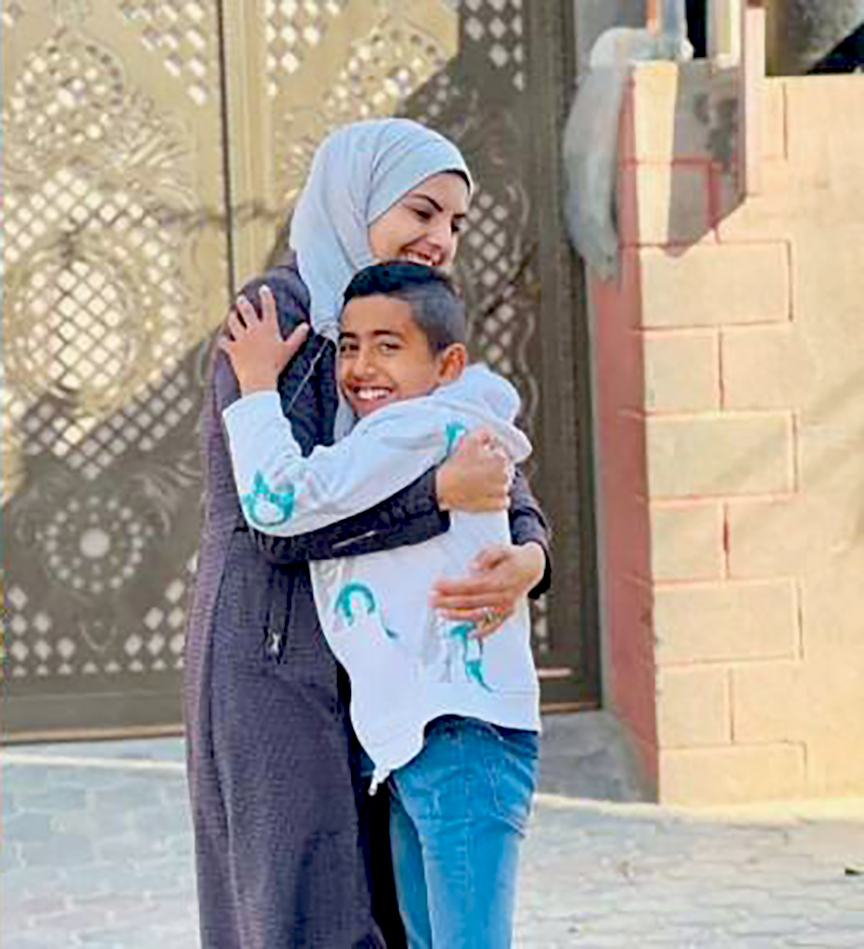
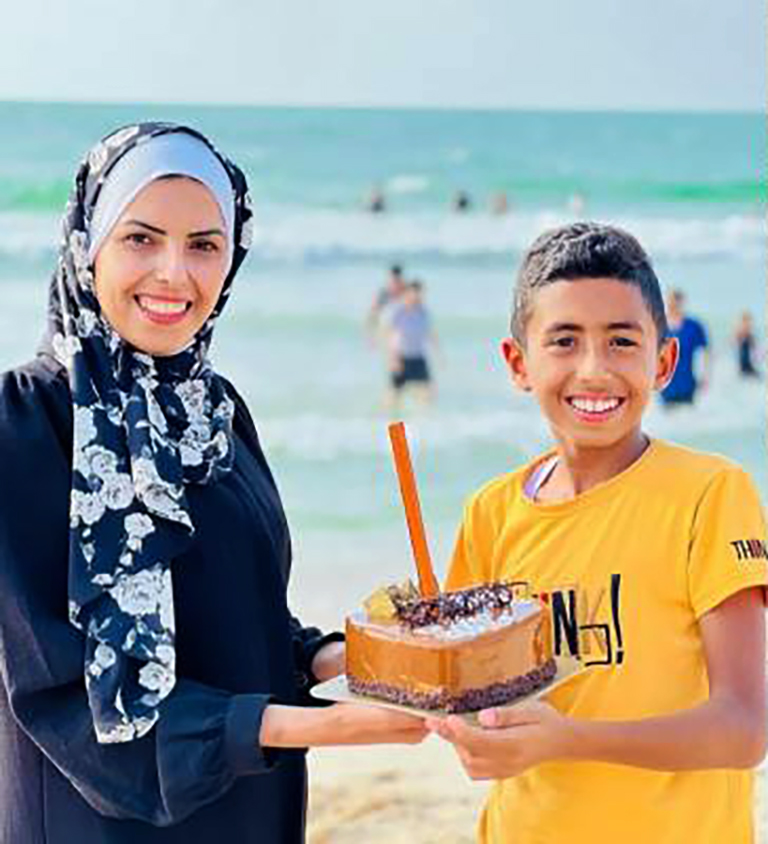
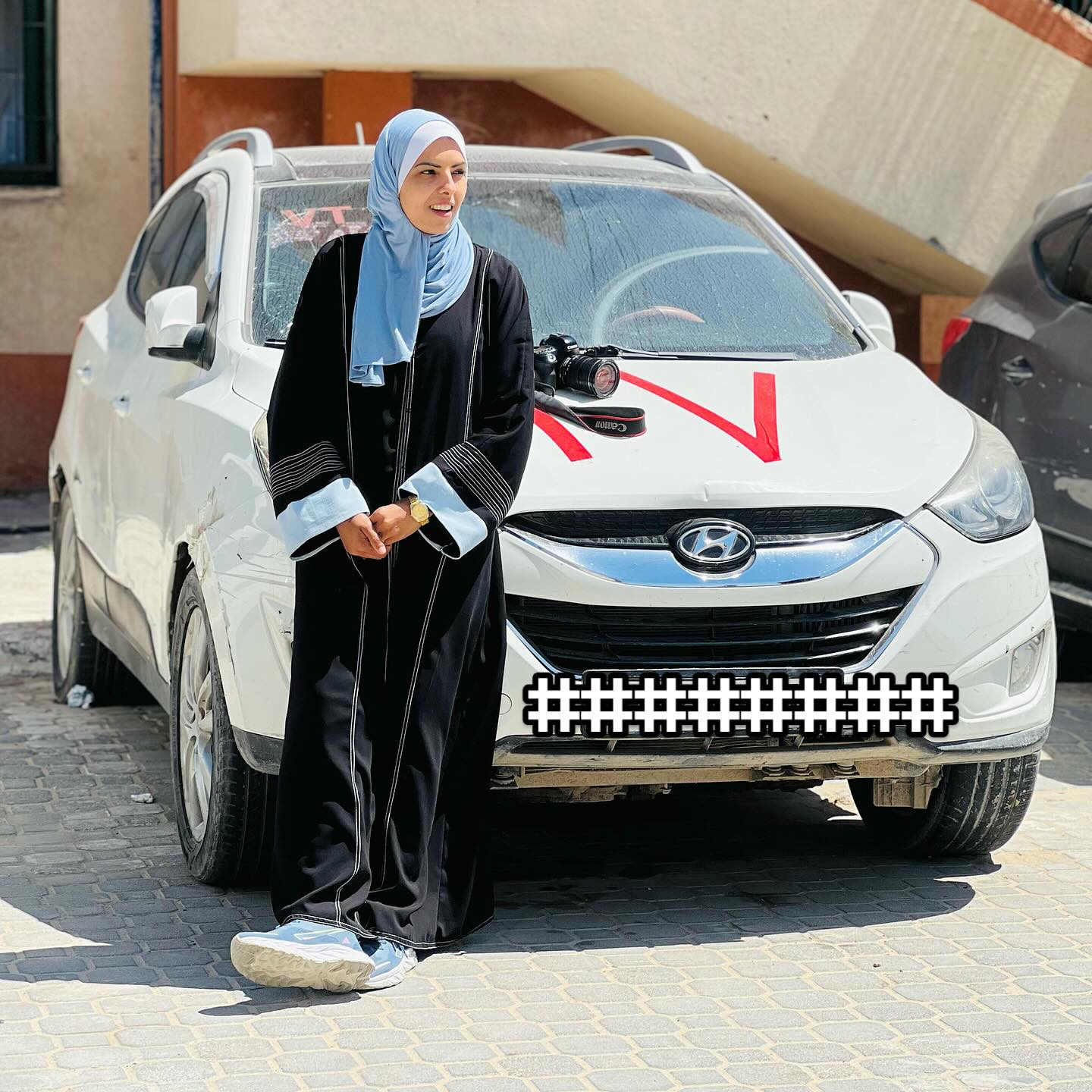
Mariam Abu Dagga was born in Khan Younis in 1992. She studied journalism at Al-Aqsa University and began a career in photojournalism soon after, working with the Associated Press and Independent Arabia. She went on to become one of the most prominent female journalists in Gaza. For her work, Abu Dagga was posthumously awarded the George Polk Award for Photojournalism and the World Press Freedom Hero Award.
During the genocide, Abu Dagga documented the stories of those enduring Israel’s starvation campaign in Gaza, as well as the conditions at Gaza’s hospitals overwhelmed with the malnourished, wounded, and dying. She was known for her photographs capturing the effects of the genocide on Gaza’s children. Her colleagues also note that she was a champion for the rights of female journalists in Gaza.
Abu Dagga was martyred on August 25, 2025, alongside fellow journalists Moaz Abu Taha, Hussam al-Masri, Ahmad Abu Aziz, and Mohammad Salama, in an Israeli double-tap strike on Nasser Hospital in Khan Younis. She was 33 years old. She is survived by her son, Ghaith.
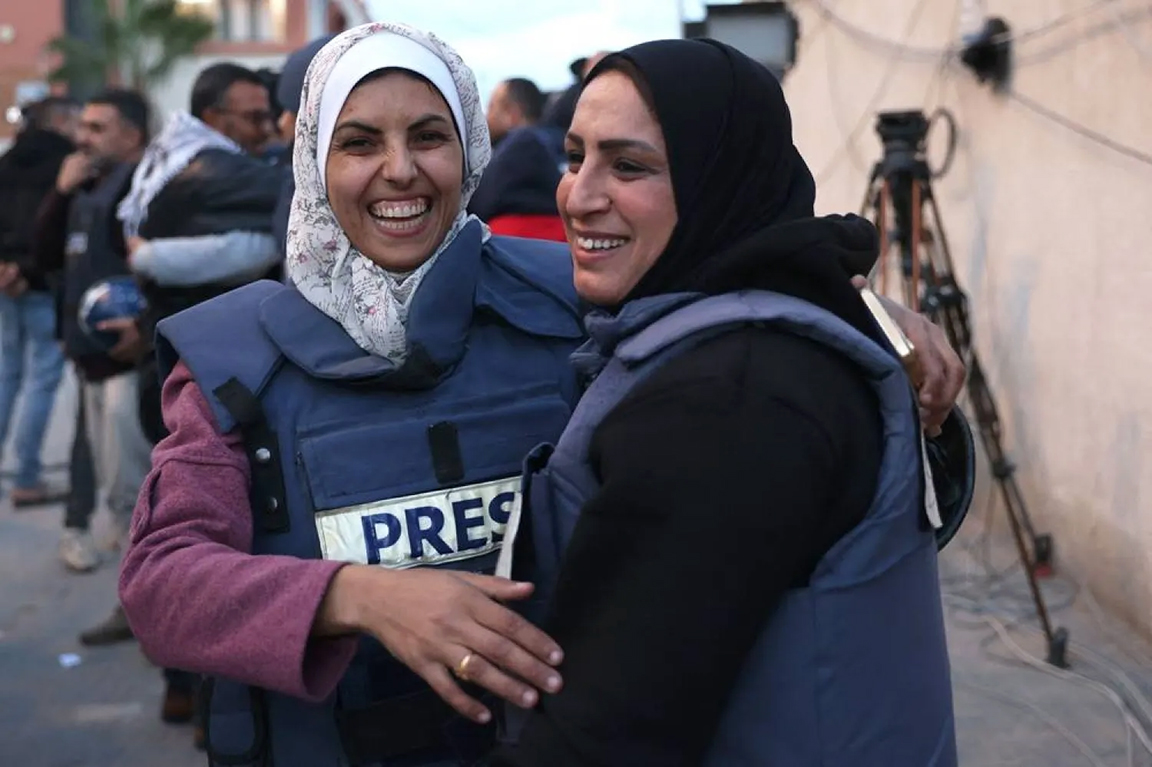
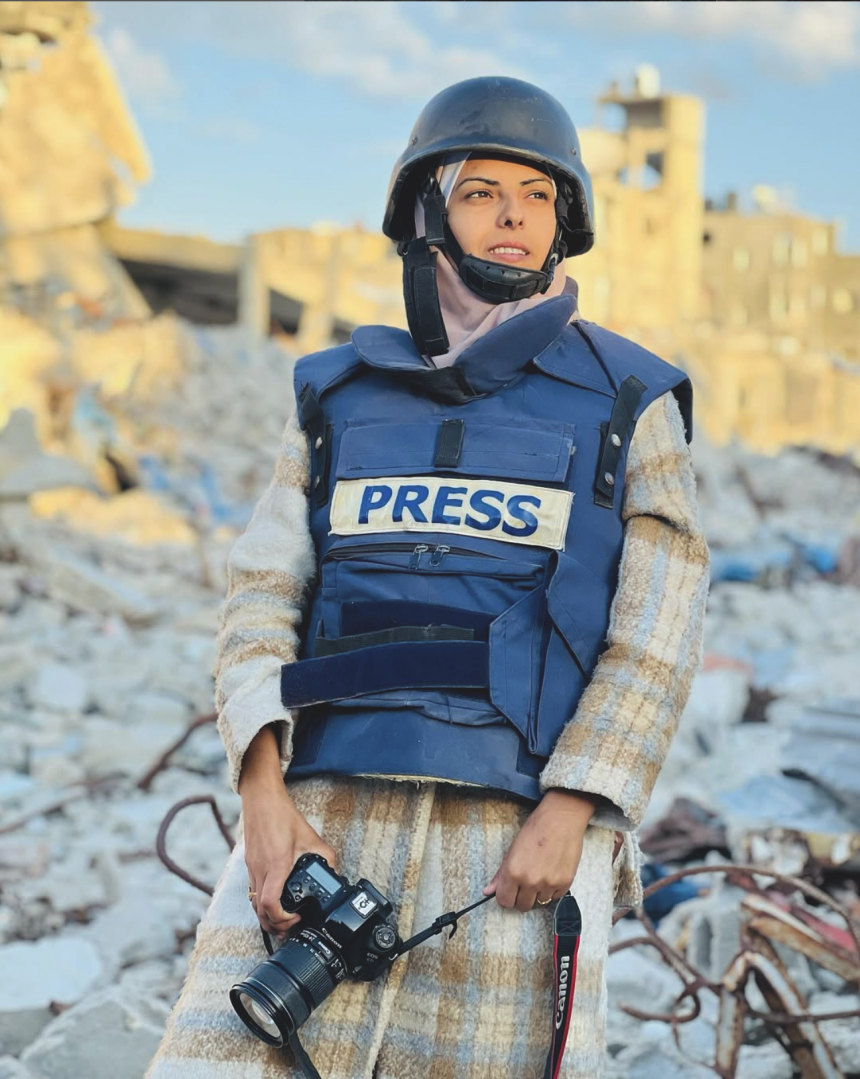
Show less
مرحبا مريم، Hello Mariam,
متخيلة انه هذا الشهر بصيرلك سنة؟ سنة انت رحت فيها. I can’t believe that this month will mark a year, a whole year since you left. يمكن صرت بمكان أحسن، بس احنا من بعدك تعذبنا. Maybe you’re in a better place now, but we have suffered since losing you. تعذبنا كثير. We have suffered so much.
أنا حياتي لليوم واقفة عند تاريخ ٢٥/٨/٢٠٢٥، في اليوم اللي فقدتك فيه. My life is still frozen at August 25, 2025, the day I lost you — في اليوم اللي قبل لحظات من فقدانك كنا نشرب فيه فنجان القهوة مع بعض. the day when, only moments before I lost you, we were sitting together, having coffee. سمعنا الإنفجار الأول وطلعنا نجري لعملنا الصحفي. Then we heard the first explosion and ran out to cover it. انت استشهدت ورحت للأبد وأنا أصبت. You were martyred and left this world forever, and I was injured. وإصابة الجسد كانت كثير خفيفة مقابل إني أنا انصبت بروحي إصابة مش رح تشفى. My physical wounds were so minor compared with the wound to my soul, a wound that will never heal. أنا من هذاك اليوم لليوم عايشة على ذكريات ٢٥/٨/٢٠٢٥. Ever since then, I have been living on the memories of that day, August 25, 2025. ما نسيتك ولا لحظة. I haven’t forgotten you, not for a single moment.
يمكن انت من الأشخاص اللي لازم كل الناس تعرف عنها، You’re someone the whole world should know about. تعرف مين مريم. Everyone should know who Mariam was. مريم أبو دقة بالثلاثينات من عمرها. Mariam Abu Dagga was in her thirties. هي أم لطفلها الوحيد غيث اللي كمان هو واقف عند هذاك اليوم. She was the mother of one child, her son Ghaith, whose life also stopped on that day. مريم الابنة البارة بأهلها. Mariam was a devoted and loving daughter. مريم الصحفية الشجاعة. As a journalist, Mariam was brave. الشجاعة كثير، أشجع من كثير شباب Braver than many men. بشهادة الجميع. Everyone could see that. مريم هي في الميدان ما كانتش مريم الأنثى الرقيقة اللي وراء الكاميرا — لا. Mariam in the field was not unassuming and timid — no. كانت شجاعة. She was fearless. تجري وراء الحدث، تغطي الأحداث. She ran toward the fire, she was first on the scene. كانت في الميدان لما تشوف طفل حزين مصاب تواسيه. If she saw an injured child in distress, she would stop and comfort them. لما تشوف حدا زعلان توقف جنبه. If she saw someone upset, she would stop and stay by their side. لما تشوف أم بتدور على أولادها، أيام المجاعة وأيام الإصابات، كانت مريم تسيب التصوير وتوقف معها وتجري معهم بالمستشفيات وتسأل عنهم. If Mariam saw a mother searching for her children — whether during famine or bombardment — she would stop filming and stay by her side, going with her from hospital to hospital to help her find them. مريم إنسانة كتير راقية، كثير. Mariam was such a kind and thoughtful person, truly.
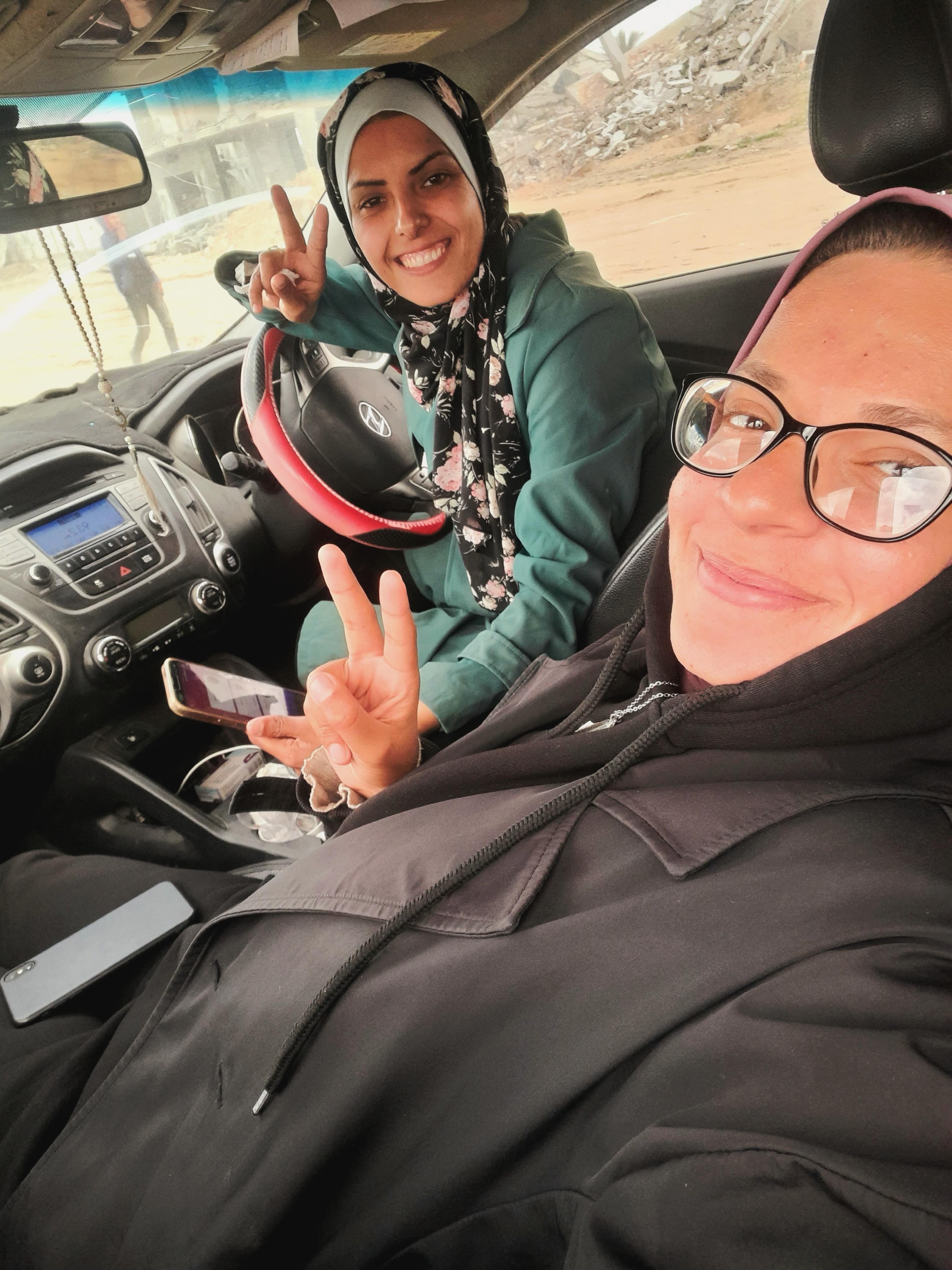
مريم بأوقات المجاعة كنا نتقاسم الخبز. During the famine, Mariam and I shared whatever bread we had. يعني كنا نتقاسم فعليا رغيف الخبز، صحن الرز. We literally shared a single loaf of bread, a single plate of rice. أي شيء موجود كنا نتقاسمه. Whatever we had, we shared. كنا طول اليوم نغطي ميداني ونرجع آخر اليوم ناكل وجبة واحدة، إذا وجدت، ندبرها. We would spend the entire day reporting from the field, then come back at the end of the day and try to find one meal, if there was anything to be found. وأكيد ما كناش نشبع. Of course we were never full. وبس كنا نتشارك. Still, we shared. كنا نتشارك كل شيء. We shared everything. كنا نتشارك فنجان القهوة. We shared our coffee. كنا نتشارك الطلعات الميدانية. We went out on assignments together. مريم إنسانة مش لازم التاريخ ينساها ولا لازم العالم ينساها. Mariam is someone neither history nor the world can forget. لأنها اللي عرفها عن القرب بعرف انه مريم خسارة عظيمة، Anyone who knew Mariam well knows what a tremendous loss this is. بس مش خسارة بربها أكيد. Not to her Lord, of course.
مريم انسانة كتير عاطفية. Mariam felt everything deeply. كانت أيام، يعني، كنا كل يوم الصبح نصحى نودع الشهداء، نصور التغطية. Every morning, we would wake up, say goodbye to more martyrs, and then go out to report on what had happened. كانت كتير عاطفية من بعد ما خسرت أمها She became even more sensitive after losing her mother. زعلت. She was heartbroken. وصارت إنسانة تؤثر فيها الأم، يؤثر فيها فقدان الأم، حزن الأم. After that, every grieving mother affected her deeply: the loss of a mother, a mother’s grief. في الجنازات كانت أغلب الأوقات تطبطب على العائلات، تطبطب على الأطفال بمن فقدوا. At funerals, she was often the one comforting the families and the children who had lost someone. مريم إنسانة جدا حساسة، وهي إنسانة بمعنى الكلمة. Mariam was deeply empathetic. She was human in every sense of the word. يعني، عنجد انها إنسانة. I truly mean that: She was such a deeply caring person. مريم يمكن أنا خسرتها كصديقة ورفيق الدرب، وابنها خسرها كأم I have lost her as a friend and a companion, and her son lost his mother. بس الناس خسروها كصحفية، واحنا خسرناها كإنسانة. The world lost a journalist, but we lost her as a person. كإنسانة عشنا معها عن قرب، Someone with whom we lived… وعشنا معها الحرب كلها اكتر ما عشنا مع أهالينا، بحكم شغلنا والتغطية. We lived through the entire war together and spent more time with one another than we did with our own families because of our work and our reporting.
بس اللي بدي أحكيلكم اياه انه مريم مش أي شخص عادي. But what I want you to understand is that Mariam was no ordinary person, ولا رح تضل شخص عادي حتى بغيابها. nor will she ever be an ordinary person, even in her absence. رح نضل نحكي عنها العمر كله، هي وكل زملائنا وزميلاتنا الشهيدات. We will talk about her for the rest of our lives, about her and all our other fellow journalists, women and men, who were martyred. لانهم بستاهلوا. Because they deserve to be remembered. يستاهلوا إنهم ما يكونوا أرقام. They deserve more than to be reduced to numbers. بستاهلوا انه نكرم ذكراهم لحد ما إحنا كمان نروح عندهم. They deserve to have their memories honored for as long as we live, until the day we join them.
مريم، أنا اليوم بدي أحكيلك انه احنا اليوم بشهرك اللي يصير لك في سنة. Mariam, now that we’ve reached the month that marks one year since you left us, I want to tell you something. أكيد مش رح ننساك. We could never forget you. انت ما غبت أبدا، ولا رح تغيبي. You never really left us, and you never will. وذكراك رح تخلد للأبد. Your memory will live on forever. ورح اضل ارفع اسمك، وارفع سيرتك وذكرك بكل مكان بروح له. I will keep speaking your name with pride, telling your story and keeping your memory alive wherever I go. بدي احكي لك انك انت كنت خير الرفيق، I want to tell you that you were the truest companion, وخير الأم، the most wonderful mother, وخير الصديقة، the best friend, وأعظم ما خسرته بالحياة. and the greatest loss of my life.
يعني آنا خسرت ناس كثير حبيتها. I’ve lost so many people I loved. خسرت أقارب إلي بهاي الحرب شهداء. I’ve lost relatives who were martyred in this war. ولكن خسارة مريم بالنسبة إلي كان فقدان كثير عظيم. But losing you, Mariam, was devastating. هي كل اللي خسرتهم بكفة، وخسارتها لحالها بكفة ثانية. I’ve lost so many people, but losing you alone felt as heavy as all those losses combined. مش رح ننساك. We will never forget you. ورح يضل اسمك وذكرك دائما بيننا. Your name and your memory will always be with us.
ورح اضل احتفظ بالأشياء إلي أنا محتفظة فيها منك. I will keep holding on to the things of yours that I still have. لسه فنجان القهوة معاي. I still have your coffee cup. لسه قنينة الماء تبعتك معاي. I still have your water bottle.
الله يرحمك ويتقبلك. May God have mercy on you and receive you into His grace. وإن شاء الله ربنا يعيننا على فراقك ويجمعنا فيك على خير. Inshallah, may God give us the strength to bear being without you and reunite us with you one day in peace.