Moamen Aliwa
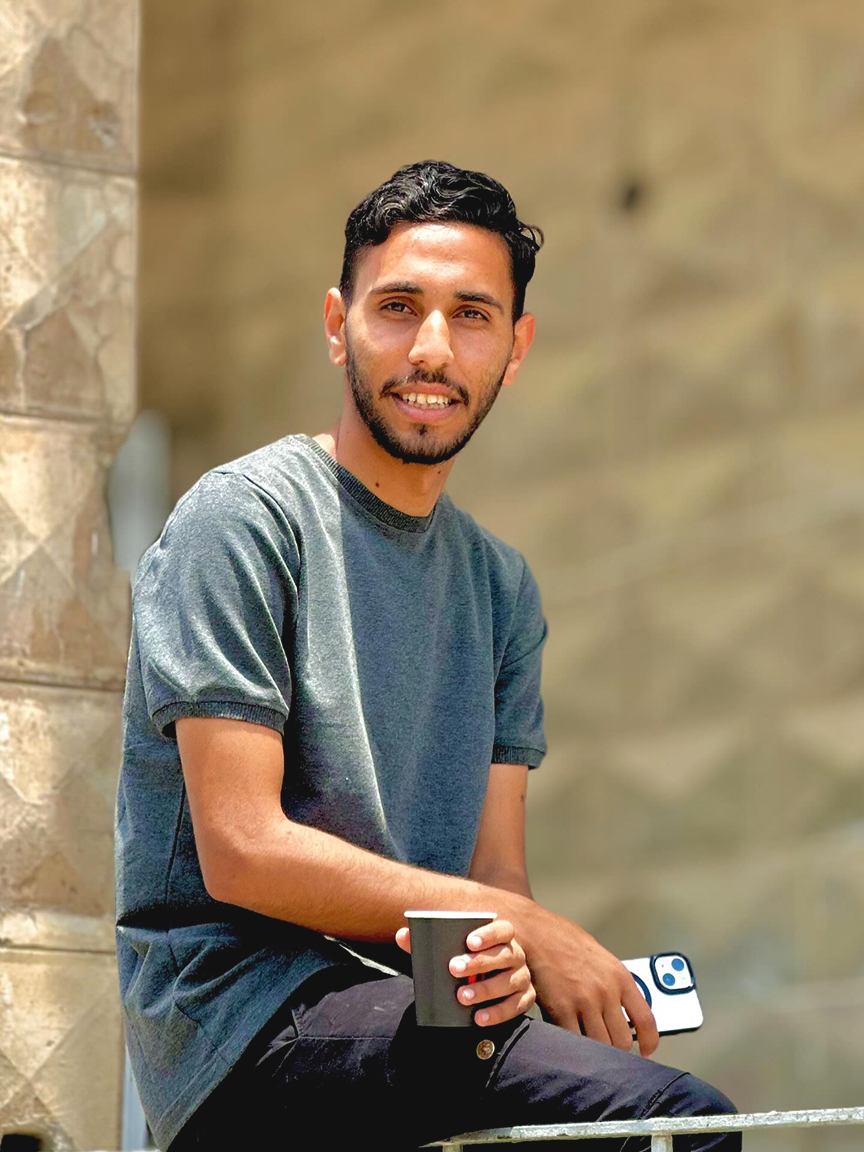
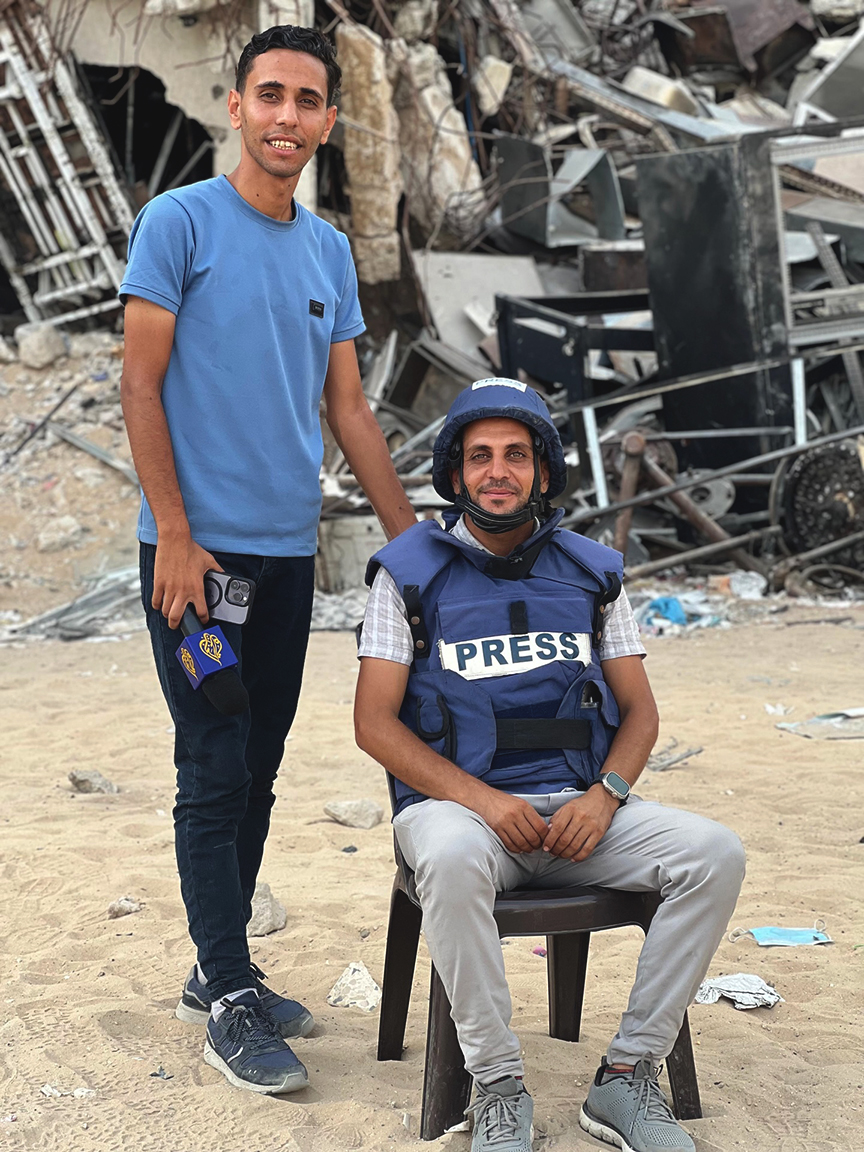
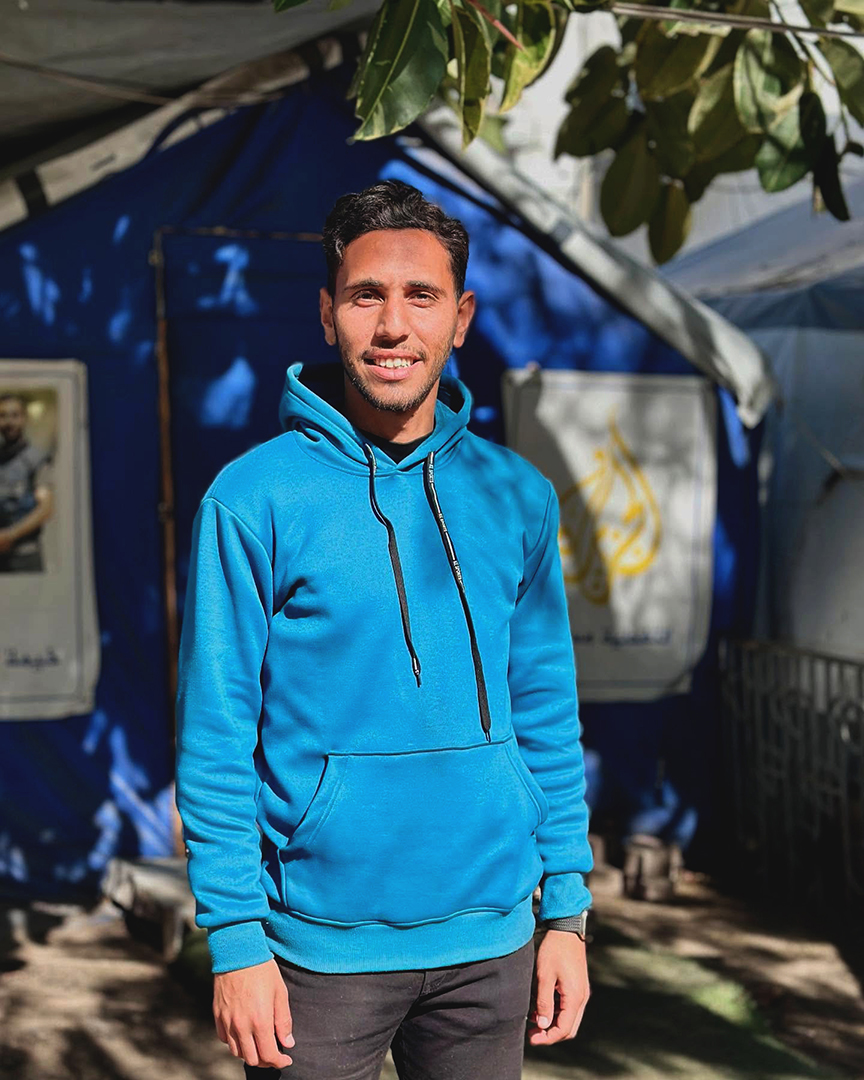
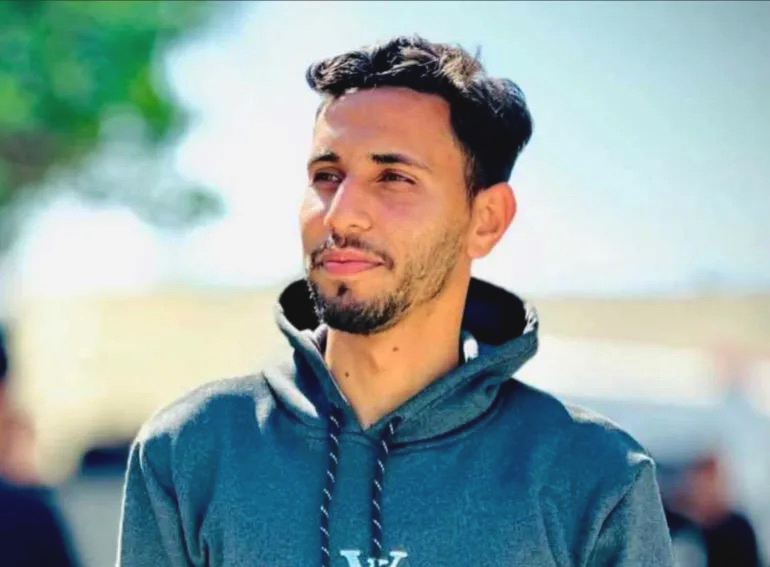
Moamen Zaid Aliwa was born in the Shuja’iyya neighborhood of Gaza City in 2002. Before the genocide began, he studied computer engineering at university, where he became skilled at programming and computer maintenance.
Aliwa started working for Al Jazeera as an assistant camera operator in April 2025 and, later, became a logistics provider for the outlet. He worked to continue his studies through open-access sources.
He was a talented soccer player for the second team at Al-Shuja’iyya Club. Islam Bader, an Al Araby TV correspondent in Gaza, described Aliwa as “friendly, helpful, kind, and courteous.”
On August 10, 2025, Aliwa was martyred in a targeted airstrike on a tent housing journalists outside Al-Shifa Hospital alongside five of his colleagues — Anas al-Sharif, Ibrahim Zaher, Mohammed Noufal, Mohammed al-Khalidi, and the friend who brought him into Al Jazeera, Mohammed Qraiqea. He was 23 years old.
Moamen is survived by his brother and fellow journalist, Mahmoud Aliwa.
Show less
طبعا، أنا الصحفي الفلسطيني رمضان جمال أبو سكران. I’m Ramadan Jamal Abu Sakran, a Palestinian journalist. أسكن في مدينة غزة. I live in Gaza City. جريح حرب لعدة مرات، من ضمنها مرتين أصبت في ميدان العمل. I’ve been injured several times during this war, including twice while working the field. كانت إصابتي خطيرة، وعلى إثرها انكتب لي العلاج. One of those injuries was serious, and I was referred for treatment.
من ضمن الشهادات المؤثرة، أو اللحظات المؤثرة اللي استشهد فيها زملائي، One of the moments that affected me most was when my colleagues were martyred. وكنت، يعني، شاهدا على لحظة الاستهداف المباشر. I witnessed the attack firsthand. كانت في تاريخ ٥/٦/٢٠٢٥: It was on June 5, 2025, استهداف مجموعة من الصحفيين في المستشفى الأهلي العربي المعمداني. when a group of journalists at Al-Ahli Arab Baptist Hospital was targeted. على إثرها أُصبت، وارتقى خمسة من الشهداء الصحفيين، شهداء الصحافة في مدينة غزة، اللي كانوا بالتغطية. I was injured in the attack, and five journalists who were out reporting with us in Gaza City were martyred. في هذه الجريمة، الاحتلال الإسرائيلي ادعى أنه استهدف مجموعة من الأشخاص. The Israeli occupation claimed that it had targeted a group of people الذين يعملون لدى القيادة والسيطرة في أحد التنظيمات الفلسطينية working in command and control for a Palestinian organization. ولكن هذه الأكاذيب كادت أن تفضح الاحتلال، لأن الاستهداف تم في باحة المستشفى الميداني، المحمية دوليًا وعرفًا وقانونيا. But those lies nearly exposed the occupation, because the strike took place in the courtyard of a field hospital, an area protected under international norms and law. لأنه في كافة المواثيق، لا يتم استهداف المستشفيات والأماكن العامة. Under international conventions, hospitals and public spaces are not supposed to be targeted.
الاستهداف حصل في باحة المستشفى المعمداني، في مكان العمل المخصص لنا، في تجمعنا كل يوم. The airstrike took place in the hospital courtyard, in the area set aside for us to work, the place where we gathered every day to work. منذ ساعات الصباح الأولى، تجمعنا مثلما نتجمع كل يوم. We had been there since early that morning, gathered just like any other. تم إطلاق صاروخ من طائرة مسيّرة عليّ وعلى مجموعة من الزملاء، A drone fired a missile at me and a group of my colleagues. وعلى إثره ارتقت مجموعة من الزملاء، منهم الزميل الشهيد الحبيب سليمان الحجاج، Several of them were martyred, including our dear colleague Suleiman al-Hajjaj, والشهيد إسماعيل بدح، Ismail Badah, والشهيد أحمد قلجة، Ahmed Qalja, والشهيد سليم الرفاعي. and Samir al-Rifai. أيضا أُصبت أنا ومجموعة من الزملاء في ميدان العمل. A number of colleagues and I were also wounded while working in the field. هذه حادثة كانت في الميدان. And to reiterate: this happened while I was out reporting in the field.
طبعا، الشهداء الصحفيون كان لديهم حلم كبير جدا. Of course, the journalists who were martyred had big dreams. كان عندهم آمال وأحلام وطموحات. They had hopes, dreams, ambitions. كان أكبرها، اللي هو انتهاء الحرب الإسرائيلية على غزة، لينعموا بالحياة. More than anything, they wanted the Israeli war on Gaza to end so they could simply live their lives. طبعا، الصحفي الفلسطيني في مدينة غزة، مثله مثل أي مواطن فلسطيني: The Palestinian journalist in Gaza City has lived what every other Palestinian has lived: هُجّر من أرضه، They’ve been forced from their land, نزح من مكان سكناه، displaced from homes, تعرض منزله للقصف، had their house bombed, فقد عددًا من عائلته. and lost members of their families. وفي أثناء التغطية، كان عدد من الزملاء يفقد عددًا من أهله، أو يجد عددًا من أقاربه أو أصدقائه. While we were working, several colleagues would find out during their coverage that they had lost relatives and friends. ويصوّر ويوثّق هذا المشهد بأم عينه، And then they have to witness it firsthand, filming and documenting what they see. فهو يموت أكثر من مرة في اليوم بتصوير المشاهد. Therefore the journalist dies several times a day, filming scenes like these.
طبعا، الاستهدافات اللي كانت للصحفيين كانت بشكل متكرر وبشكل كبير، وبشكل علني. The attacks on the press were repeated and continuous; they happened on a large scale and out in the open. كل جريمة كانت تتم بوقاحة كاملة، Every single crime was carried out brazenly, بكل المبررات والأكاذيب التي يدعيها الاحتلال عن الصحفيين الموجودين. with the occupation offering its lies and excuses about the journalists who were targeted. الصحفي الموجود هو إنسان ينقل رسالة، ينقل حقيقة. These journalists are human beings, delivering a message of truth. بيصور بعينه، يكتب بقلمه، They report what they see, write it down, بيوضح رسالته للعالم الغربي والعالم العربي اللي ما بيسمع. and make people in the West and the Arab world understand, but they’re not listening. يعني، عامين مستمرين من الحرب، ما كان فيه اطلاع على اللي بيصير فينا، ولا كان يُؤخذ بعين الاعتبار. For two years now, this war has gone on, and people still aren’t seeing what’s happening to us or taking it seriously.
طبعا، كتير، متل ما حكيت سلفا، انه كتير من الشباب كان عندهم أحلام وطموحات. Like I said earlier, so many of these young journalists had dreams and ambitions. وكان أكبر هذه الأحلام والطموحات انه تقف الحرب، ونرجع للاستقرار، أو جزء من الاستقرار. More than anything, they wanted the war to end so they could have some stability, even just a little. طبعا، بعد دمار المدينة، تحولت المدينة إلى كتلة كبيرة من الركام والدمار المتناثر في كل مكان. After all this destruction, the city has become one vast field of rubble, with devastation everywhere. طبعا، ما كانوا محتاجين هم... ما كانوا محتاجين إلا انه الناس ترجع لطبيعتها أو لمنازلها. All they wanted was for people to be able to go home and get back to some kind of normal life. لأنه تقريبًا غزة، أو شرق مدينة غزة، شمال مدينة غزة، مدينة رفح، المواصي، خانيونس، تم تدميرها بشكل كامل. Places across Gaza, eastern and northern Gaza City, Rafah, al-Mawasi, and Khan Younis, have all been completely destroyed. تحولت هذه المناطق إلى رماد. These areas have been reduced to ashes.
كل ما يسعى إليه المواطن الفلسطيني والصحفي الفلسطيني الموجود في غزة All that Palestinians in Gaza want, journalists included, هو العودة للحياة كما كانت من قبل، أو الرضا بالأمر الواقع الذي فُرض عليه في الفترة الأخيرة is to get back to the life they had before, or at least come to terms with the reality that has been forced on them.
الاستهداف الواضح كان للزملاء الصحفيين على باب مستشفى الشفاء، على باب مجمع الشفاء الطبي، قبل أيام. A clear example of journalists being targeted came just a few days ago, at the entrance to Al-Shifa Medical Complex. الذي ارتقى على إثره It was in that attack that الشهيد أنس الشريف، والشهيد محمد قريقع، والشهيد المصور الصحفي مؤمن عليوة، والشهيد المصور الصحفي إبراهيم ظاهر، والشهيد محمد الخالدي، والشهيد محمد نوفل. Anas al-Sharif, الشهيد أنس الشريف، والشهيد محمد قريقع، والشهيد المصور الصحفي مؤمن عليوة، والشهيد المصور الصحفي إبراهيم ظاهر، والشهيد محمد الخالدي، والشهيد محمد نوفل. Mohammed Qraiqea, الشهيد أنس الشريف، والشهيد محمد قريقع، والشهيد المصور الصحفي مؤمن عليوة، والشهيد المصور الصحفي إبراهيم ظاهر، والشهيد محمد الخالدي، والشهيد محمد نوفل. photographer Moamen Aliwa, الشهيد أنس الشريف، والشهيد محمد قريقع، والشهيد المصور الصحفي مؤمن عليوة، والشهيد المصور الصحفي إبراهيم ظاهر، والشهيد محمد الخالدي، والشهيد محمد نوفل. photographer Ibrahim Zaher, الشهيد أنس الشريف، والشهيد محمد قريقع، والشهيد المصور الصحفي مؤمن عليوة، والشهيد المصور الصحفي إبراهيم ظاهر، والشهيد محمد الخالدي، والشهيد محمد نوفل. Mohammed al-Khaldi, الشهيد أنس الشريف، والشهيد محمد قريقع، والشهيد المصور الصحفي مؤمن عليوة، والشهيد المصور الصحفي إبراهيم ظاهر، والشهيد محمد الخالدي، والشهيد محمد نوفل. and Mohammed Noufal were martyred.
طبعا، أنا أذكر حاجة عن الشهيد الصحفي الواعي، الواعد، مؤمن عليوة. I want to say something about Moamen Aliwa, a thoughtful, promising journalist who was martyred, طبعا، الشهيد مؤمن عليوة انظلم جدا في التغطية. The martyr Moamen Aliwa didn’t get the coverage he deserved. مؤمن عليوة شاب صحفي يافع، خريج آي تي. Moamen Aliwa was a young journalist and an IT graduate. طبعا، مؤمن كان لسه طالب بجامعة، بيدرس في الجامعة. Moamen was still a university student. كان عنده طموح. He had ambitions. كان عنده حلم He had dreams. أول الأحلام هاي كانت إيقاف الحرب، انه يحاول يرجع يكوّن نفسه أو يلملم نفسه. More than anything, he wanted the war to end so he could start rebuilding his life, start putting himself back together. مؤمن حاول مرارًا وتكرارًا الدراسة عبر الإنترنت، اللي هو التعليم المفتوح أو التعليم والدراسة عن بُعد. Moamen kept trying to study online, through open or distance learning. طبعا، مؤمن ما قدر يكمل هذا الحلم. But, ultimately, Moamen never got the chance to see that dream through. مؤمن تم استهدافه مع مجموعة من الصحفيين على باب مجمع الشفاء الطبي. Moamen was among the group of journalists targeted at the entrance of the Al-Shifa Medical Complex. ارتقى على إثره شهيدًا. He was martyred in the attack. مات الحلم. The dream died. مات مؤمن. Moamen died.
كانت حجة الاحتلال الإسرائيلي انه استهدف أنس الشريف، لأنه أنس الشريف كان ينتمي لمنظمة إرهابية، كما ادعى الجيش. The Israeli occupation claimed it had targeted Anas al-Sharif because, they claimed, he belonged to what they call a terrorist organization. ولكن هذه كلها كانت أكاذيب. But those claims were all lies. ولكن أنس كان صاحب رسالة واضحة، رسالة مؤثرة وصلت إلى العالم بشكل واضح وبشكل علني وبشكل كبير. Anas had a clear, powerful message, and it reached people around the world. ولكن ارتقت مجموعة من الزملاء، وأُصيبت مجموعة أخرى من الزملاء في نفس المكان المستهدف. Several colleagues were martyred at that same site, and others were wounded. وكان الاحتلال في كل مرة يقول انه نحن متعمدين لاستهداف الصحفيين في كل مكان تواجدهم. As always, the occupation was deliberately targeting journalists wherever they were. حيث أصبح عدد شهداء الحركة الصحفية والأسرة الصحفية في غزة، منذ بداية حرب ٧ أكتوبر ٢٠٢٣ Since the war began on October 7, 2023, إلى هذه الأيام، قرابة الـ٢٥٠ شهيدًا من الصحفيين والصحفيات. around 250 journalists, men and women, have been killed in Gaza. وتم استهدافهم في مواقع عملهم، في مواقع عملهم، وفي أثناء تأديتهم للرسالة وواجبهم الوطني. They were targeted while they were at work carrying out their journalistic mission and their national duty. وأيضا، يوجد عدد من الزملاء الصحفيين: من فقد أسرته، من فقد أسرته بالكامل، من فقد جزءًا من أسرته. Among our journalist colleagues, some lost family members, some lost their entire families. من فقد منزله. Some lost their homes. ومن نزح من مكان إلى آخر. Others were displaced from one place to another.
كان شهيدنا مؤمن، كما أسلفت سابقا، عنده عدد من الأحلام. Our colleague Moamen had so many dreams. كان أهمها السفر إلى خارج البلاد لاستكمال تعليمه، وتوسيع دراسته، وتقديم دراسات عليا. Most of all, he wanted to travel abroad, continue his studies, and pursue postgraduate studies. طبعا، مؤمن التحق بالشهادة الكبرى، Moamen went on to receive the highest possible honor: He became a martyr. وارتقى إلى السماء ليكمل حياته في حياة الخلود. He ascended to heaven, to eternal life. لم يكمل مؤمن حلمه. Moamen will never fulfill that dream. ولم يكن مؤمن ينتمي إلا للكاميرا ورسالته. Moamen’s only allegiance was to his camera and the message he carried. وقدم رسالته. And he succeeded in delivering this message. وارتقى مع الزملاء الصحفيين في استهداف مجمع الشفاء الطبي. And he was martyred alongside his fellow journalists in the attack at Al-Shifa Medical Complex.
طبعا، رسالتي الأخيرة للعالم الغربي أو للعالم العربي، الذي يشاهدنا ويسمعنا أو ما زال فاتح قلبه لنا، My final message to the Western and Arab worlds, to those who still watch us, listen to us and keep their hearts open to us, is this: انه يشاهدنا ويسمعنا، Keep watching, keep listening. ويعرف معاناتنا، Pay attention to our suffering. ويعرف ظروفنا. Pay attention to the conditions we’re living in. نحن كصحفيين فلسطينيين غزيين، تحت وطأة النار. We, as Palestinian journalists in Gaza, are living under intense fire. منذ عامين من الحرب على غزة، تم استهدافنا بكافة مناحي الحياة، بكافة الطرق. For over two years now, we have been deliberately targeted in every aspect of our lives, in every way. تم استهداف منزلنا. Our homes have been targeted. تم استهداف أهالينا. Our families have been targeted. لقد أُصبنا في الميدان عدة مرات. We have been wounded in the field time and again. لقد تضررنا مثلما تضرر الناس. We have suffered like anyone else in Gaza. وكان التهديد الواضح بشكل كبير علينا هو الحرب The greatest threat we face is the war itself. واستمرار الحرب والعدوان الإسرائيلي على غزة. Its continuation and the ongoing Israeli assault on Gaza. وكان لدخول المجاعة إلى غزة طبعا تأثير كبير على القطاع الصحفي، على طبيعة أداء الرسالة المهنية والعملية في الميدان. Famine in Gaza has also had a major impact on the press and on our ability to do our jobs in the field. طبعا، هذا كان يؤثر علينا بشكل كبير وبشكل واضح. This has caused grave pain.
طبعا، الرسالة كان يجب أن تصل للعالم: The message the world needed to hear was this: انه يجب وقف العدوان الإسرائيلي، ويجب كشف وفضح جرائم العدوان الإسرائيلي على غزة The Israeli assault must stop, and the crimes of the Israeli assault on Gaza بكافة الطرق، بكافة الأساليب، من دون تقديم أي أعذار، أيا كانت. must be exposed in every possible way, without excuses or justification of any kind.