Mohammed Balousha
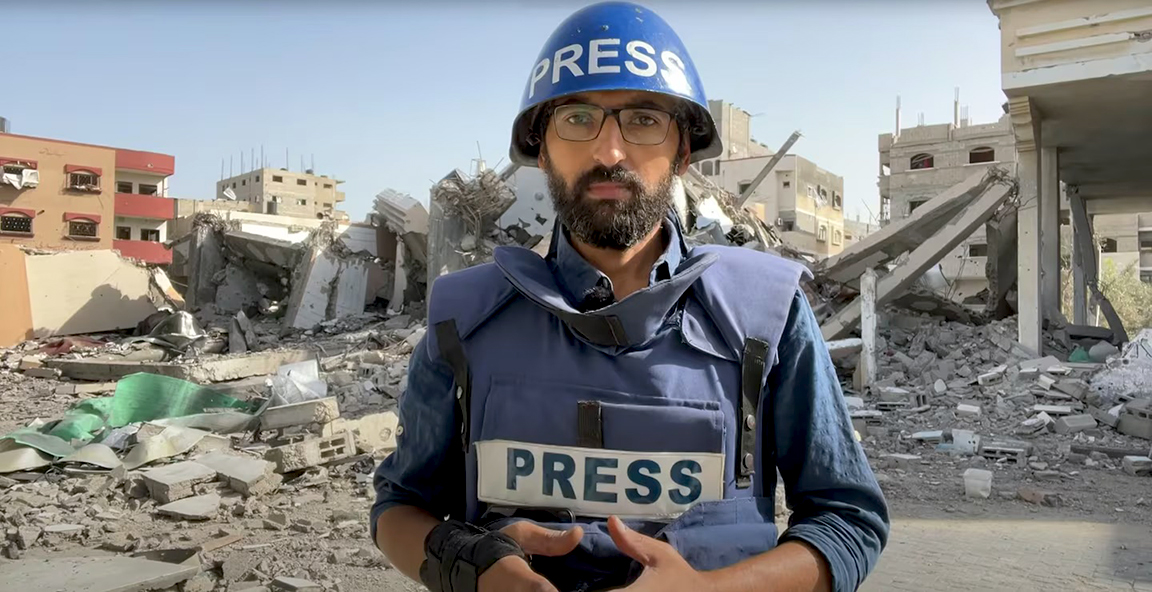
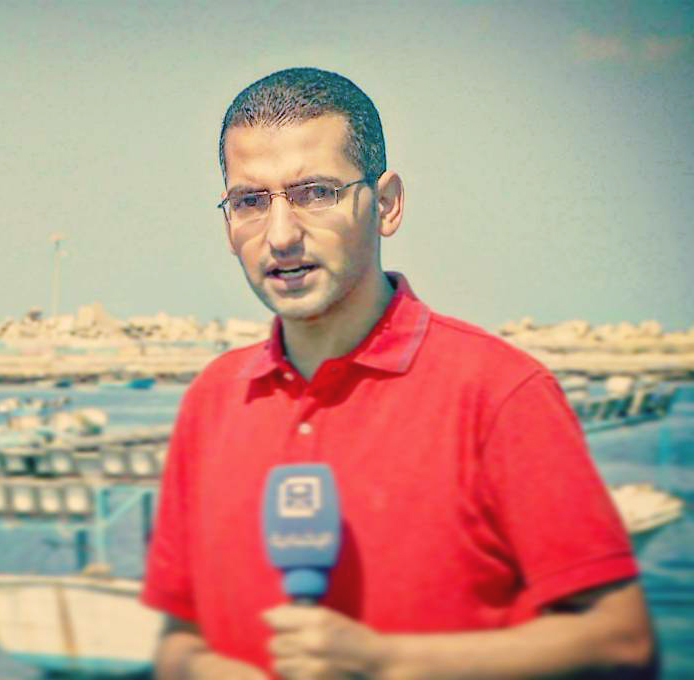
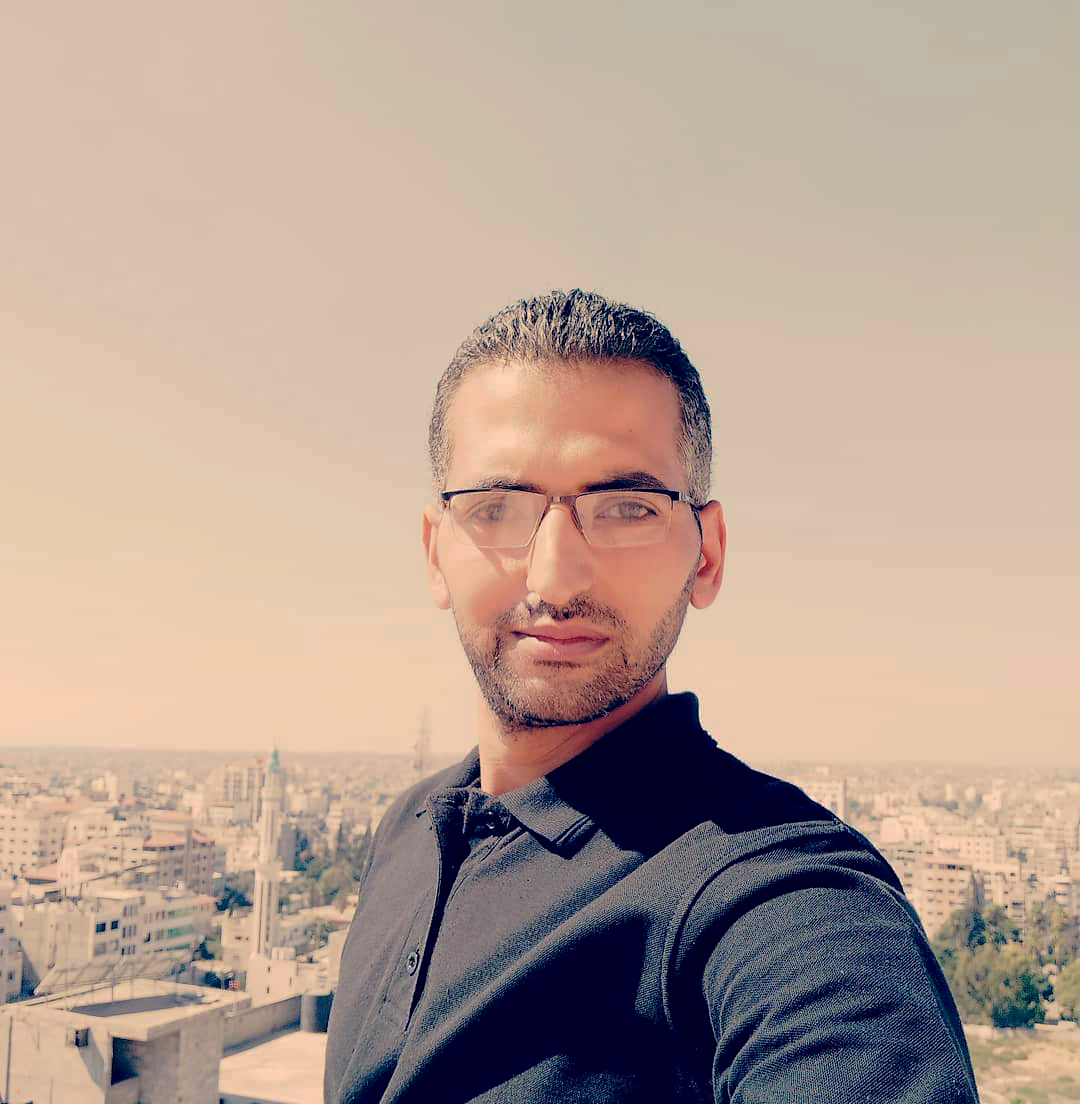
Mohammed Hamed Balousha was born in 1986. He was a correspondent for Lebanon’s Al-Mashhad Channel.
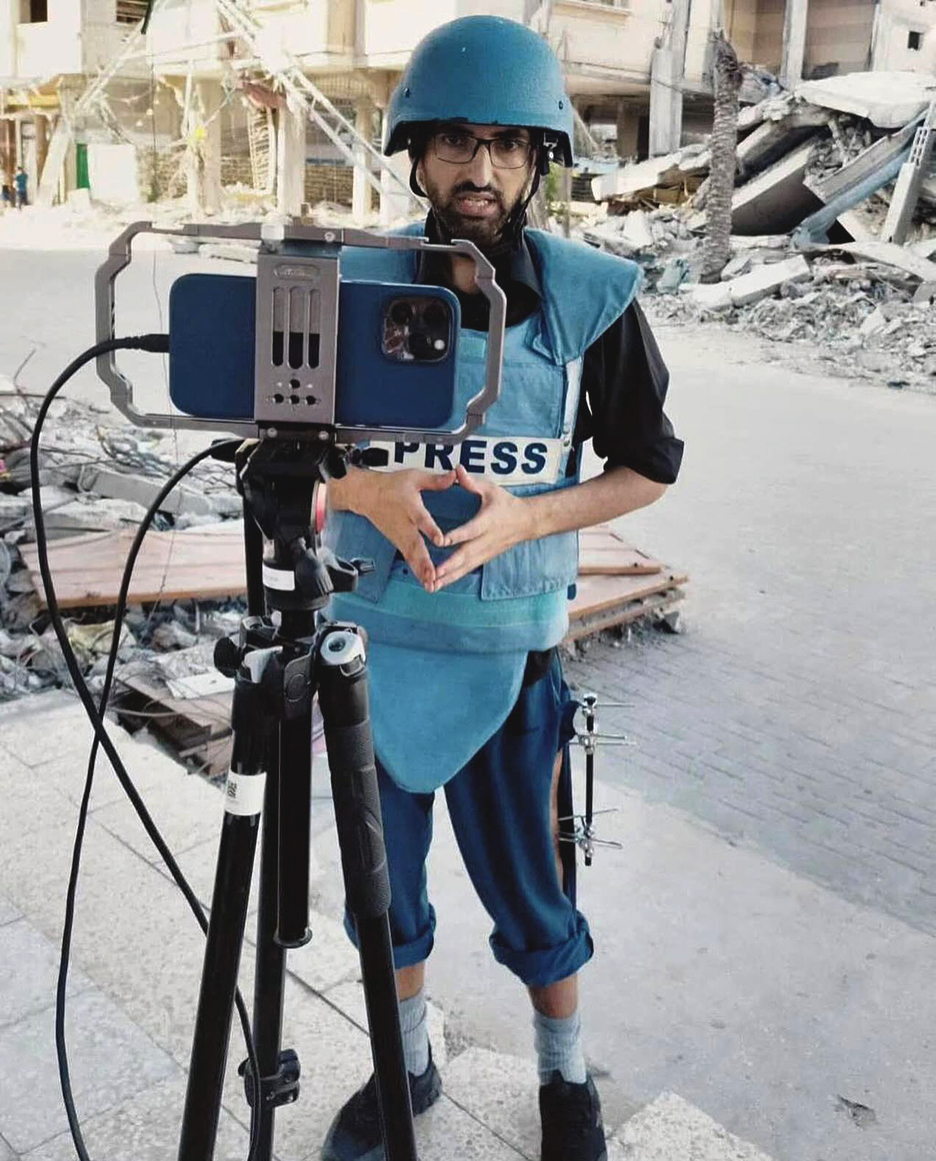
In November 2023, Balousha revealed that babies in incubators at Al-Nasr Children’s Hospital in Gaza City were left to die when Zionist soldiers laid siege to the hospital and cut off its electricity. His report was widely cited by Western media. One month later, Balousha was targeted by an Israeli sniper who shot him in the leg while he was reporting from the northern Gaza Strip. He continued his reportage with external fixators on his left thigh and crutches.
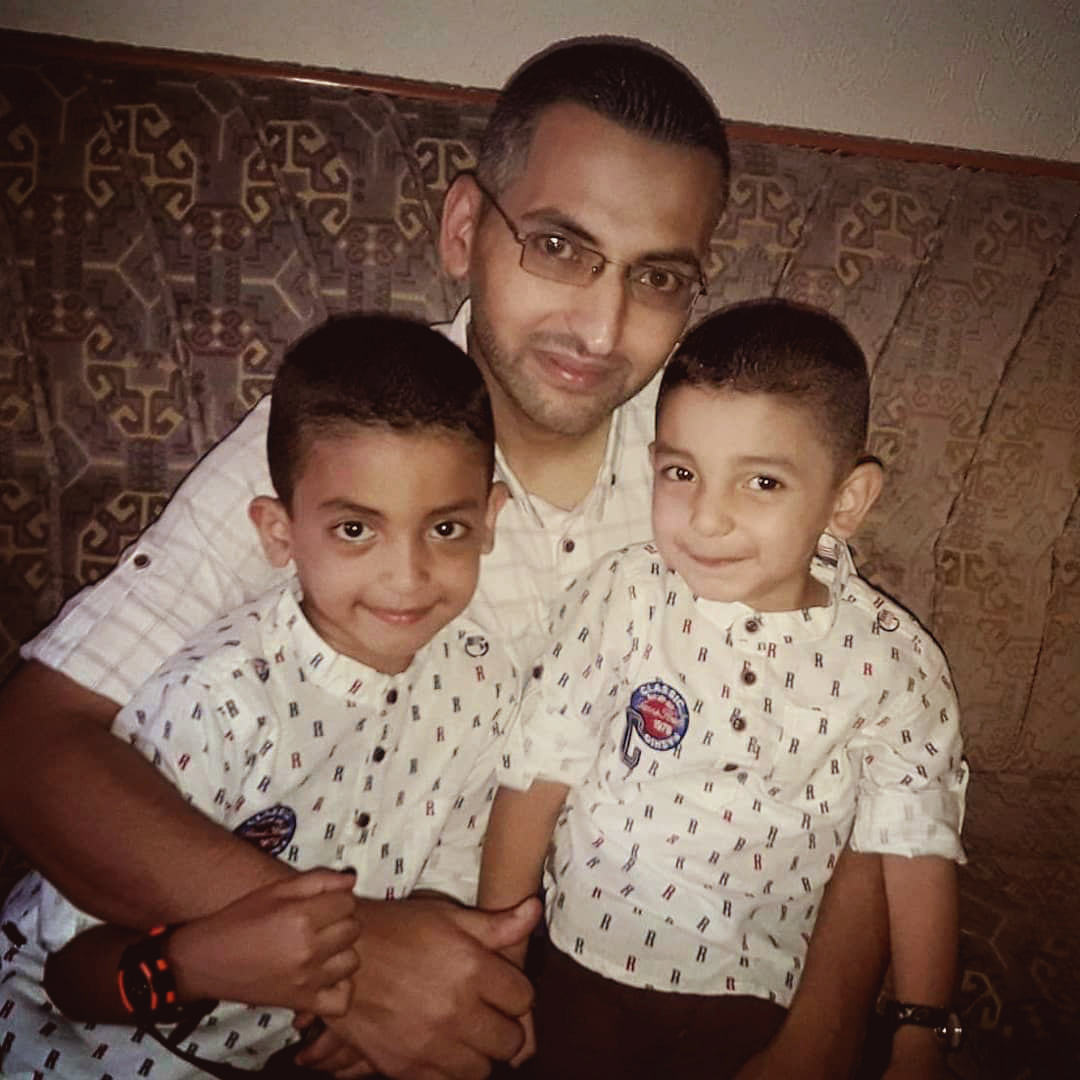
Balousha was martyred in an Israeli drone strike while returning from a check-up at the Sheikh Radwan neighborhood clinic in northern Gaza City on December 14, 2024. He was 38 years old. He is survived by his wife, Fatima al-Balawi, and their four children.
Show less
صباح الخير. Good morning. يمكن هذه واحدة من المشاكل اللي احنا فيها. This is one of the problems we’re facing. انه مش قادرين نحكي، ومش قادرين نكتب، ومش قادرين ناخد صور. We are not able to talk, not able to write, not able to take photographs. يعني لدرجة انه، يعني أوكي ابعت مقطع صوتي، اضغط على الزرار واحكي وخلص. I mean, even something like — okay, let me send a voice note, just press the button and talk, and that’s it. لا المسألة مش هيك. But no, it’s not that easy. المسألة بدها استحضار ذهني، لكن الذهن مرهق. This requires mental effort, you have to gather your thoughts, but my mind is exhausted. ذهن الواحد تعبان. We’re mentally worn out. بطلنا قادرين نفكر. We can’t think anymore. بطلنا قادرين نكتب. We can’t write anymore. بطلنا قادرين نحكي. We can’t speak anymore. وهذا مؤشر على انه أصلا الحرب لم تغطى بشكل كامل. This, in and of itself, is a sign that the war hasn’t been fully covered — this assault on Gaza, from October 7 until now. هذا العدوان على غزة من ٧ أكتوبر حتى الآن، Since the assault on Gaza started on October 7, هناك الآلاف من القصص لم تروى بعد ولم تلتقط الصور thousands of stories remain untold and so many images remain uncaptured, لانه الحدث اللي بيصير أكبر من الصحفيين. simply because what is happening exceeds our capacity to report. فالصحفي بيجري وراء قصة مثلا، بده يقسم حاله بين ايش؟ Journalists are constantly pulled in different directions: يجري وراء قصص صحفية، ولا يجري وراء أخبار «breaking news» يعني؟ Do you follow up on individual stories, or try to keep up with the breaking news? فمجهوده أقل من هذه الحرب. Their efforts simply can’t match the scale of this. وبالتالي هو يعني يقوم بما يعتقد انه كافي، And so they do what they think is enough, ولكن في الواقع هو مش كافي. but in reality, it isn’t.
واحنا كمان يعني، بنقول للصحفيين الأجانب: تعالوا. And so we also ask foreign journalists: come. أو يعني نضغط، نتمنى من مؤسساتنا تضغط على إسرائيل لكي يسمحوا للصحفيين الأجانب يخشوا Or I mean, we push for it. We hope our institutions will pressure Israel to allow foreign journalists in. مش علشان الصحفي الفلسطيني مش كفء؛ Not because Palestinian journalists aren’t competent — لا كفء و بيشتغل صح، no, they are competent, and their work is good, بس بدنا عدد. but we need numbers. الصحفي قايم بدوره، بس بدنا عدد. Journalists here have done their part, we just need more of them. بدنا ينتشر أكبر عدد ممكن من القصص، لانه هذه عملية، عملية تأريخية. We need as many stories as possible to reach people, because this is a process of documenting history. اللي بيصير ما حصلش في الحرب العالمية الثانية يعني. What is happening now didn’t happen even during World War II. انت متخيل الحرب العالمية الثانية، ست سنين، قتل فيها ٦٩ صحفي. Can you imagine that World War II spanned six years, and 69 journalists were killed. لكن عنا، ٢٢ شهر قتل ٢٣٨ صحفي But here, 238 journalists were killed in 22 months, وهناك، يعني، مقارنة بالمساحات، مقارنة بعدد السكان، مقارنة بالجيوش. and you need to account for differences in the land area, population, the armies. هو جيش واحد فقط عندنا: جيش إسرائيل. Here, there is only one army: the Israeli army. يعني، ما فيش مقابل جيش أساسا؛ في مجموعات مسلحة صغيرة لمقاومين بسطاء. There is no opposing army to begin with, just small armed groups of humble resistance fighters. فاللي بيصير في غزة أشرس وأقسى وأصعب مما حدث في الحرب العالمية الثانية. So, what is happening in Gaza is more brutal, harsher, and more difficult than what happened in World War II.
واللي بيصير في غزة أيضًا أصعب من اللي حصل في الهولوكوست، لو استثنينا غرف الغاز، يعني. And what is unfolding in Gaza is even more difficult than what happened in the Holocaust, I mean, if we set aside the gas chambers. وبالتالي يعني، أحفاد الهولوكوست يمارسون نفس الأعمال ضد أحفاد النكبة. The descendants of the Holocaust are carrying out the same acts against the descendants of the Nakba.
أنا أمام هذا العدد المهول من الصحفيين الذين يقتلون في غارات الاحتلال، I’m faced with this staggering number of journalists being killed by the occupation’s airstrikes, يقتلون بشكل مقصود أو بشكل عرضي. whether deliberately targeted or killed incidentally. في الحالتين هو خطر يعني. Either way, we’re in danger.
وفي حالات، بشكل مقصود باعتراف الاحتلال. And in some cases, it is entirely deliberate, by the occupation’s own admission. وآخرهم الشهيد أنس الشريف، مراسل الجزيرة The most recent was the martyred journalist, Anas al-Sharif, Al Jazeera’s correspondent. في نقطة هنا: There is something important here: ما حصل مع أنس الشريف والفريق تبعه يكشف وجه من أوجه الحرب. What happened with Anas al-Sharif and his team reveals one facet of this war. الآن، الاحتلال يزعم انه أنس الشريف مسؤول، يعني ناشط في حماس. The occupation now claims that Anas al-Sharif was a Hamas official, an operative. لنفترض أن هذا الكلام صحيح. Let us assume for the sake of argument that the claim is true — هو تم نفيه، لكن دعنا نفترض انه صحيح، أوكي؟ it’s been refuted, but let’s pretend, okay? طيب. أنس الشريف لماذا لم يتم استهدافه عندما كان وحيدا؟ Fine. Why wasn’t Anas al-Sharif targeted when he was alone? يمشي في الشارع وحيدا؟ Walking alone in the street? أو يقود السيارة؟ Or when he was driving? أو في أي مكان؟ Or anywhere?
هذا مش، يعني، دعوة لاستهدافه I don’t mean he should be targeted anywhere. لكن لتشوف أحد أوجه الحرب. But look at what this reveals about the war. فبيستنوا أنس عبال ما صار مع مجموعة. ُThey waited until Anas was with a group. ست صحفيين قتلوهم جميعا، مع انهم قادرين ينالوا من أنس لما يكون لوحده. They killed all six journalists, even though they could have targeted Anas when he was alone. وهذا جزء من الحرب. This is part of this war. بمعنى انه أحيانا فلان ناشط، Meaning, sometimes someone is an activist, مؤيد، a supporter, بس ماشي في الشارع يعني، or just walking down the street — حتى لو كان ناشط و عسكري يعني، ماشي في الشارع لوحده، I mean, even if he were a member and in the armed wing, if he were walking on the street alone, لوحده! by himself بيتركوه، ما يصيبوه، بخلوه مروح. they leave him be; they let him go. لما يخش مكان الإقامة تبعته، And then, once he goes back to where he’s staying — بيته أو الخيمة أو المدرسة whatever، يعني his home, a tent, or a school, whatever — بس يوصل البيت، يقصفوا البيت ويدمروا البيت ويقتلوا معه ٢٠، ٣٠، ٤٠. as soon as he gets there, they bomb the place and kill 20, 30, or 40 people along with him. بمعنى انهم قاصدين انهم يقتلوا أكبر عدد ممكن من المواطنين. This means they intend to kill the largest number of people. مع انه عندهم، عندهم أسلحة ذكية، عندهم أسلحة موجهة بالليزر، عندهم كوادكوبترز؛ Even though they have precise, intelligent weapons, they have laser-guided weapons, they have quadcopters — هذه الدرونز اللي بيقدروا يستهدفوه لوحده. these drones, they can use to target someone individually. بيقدروا، أي نعم بيقدروا. It’s true, they can. وفي طائرات كاميكاز أو ما شابه، يقدروا يستهدفوه لوحده. There are kamikaze drones, or something similar, that can hit someone individually. أي نعم بيقدروا. Yes, they can. لا، هم قصدوا قتل أكبر عدد ممكن. But they aim to kill as many people as possible. هذا أحد أوجه القتل، وهذا من المخاطر اللي نواجهها. This is one facet of the slaughter, and this is one of the dangers we face.
أنا حضرت جنازة زملائي أنس الشريف وغيره. I attended the funeral of Anas al-Sharif and my other colleagues. في المقبرة، أنا أنظر إلى جثثهم على الأكتاف وأتساءل: I looked at the martyrs’ bodies in the cemetery, carried on people’s shoulders, and wondered: من سيأتي بعدهم؟ Who will be next? أنا؟ Me? ولا غيري؟ Or someone else? طب هل ممكن أنا أقتل؟ Could I be killed? كان بالإمكان جدا إني أكون أنا مكانهم. I could have very easily been in their place. ممكن أنا أكون مطرح واحد فيهم I could have been in the place of any one of them. كان بالإمكان جدا، لانه أنا بين الفينة والأخرى بروح لمستشفى الشفاء كصحفي، أو أي مستشفى ثاني. It very well could have been me, because every so often I go to Al-Shifa Hospital as a journalist, or another hospital, to report. كان ممكن أكون أنا. It could have been me. وصرت أتسائل: يعني لما أموت، أنا حموت بصاروخ؟ And so I find myself wondering: When I die, will it be by a missile? وأتساءل بكل عفوية يعني، لانه وكانه الأمر مسلّم به. I ask this sincerely, as though dying in this way was already a given.
طيب، هل أسيب هالشغلة هذه وما أسيبها؟ Okay, then, should I quit this job or not? طب، ليش أسيب هذه الشغلة؟ Why would I quit this job? لو أنا سبتها، وغيري سابها، وغيري سابها عشان الخطر، If I leave, and another colleague leaves, and another leaves because of the danger, من سيروي الحكاية؟ who will tell the story? وإذا سبنا هذه المهنة، أين سنذهب؟ If we leave this profession, where will we go? سنذهب لمهنة أخرى؟ To another career? كل الشعب مستهدف، سواء صحفي ولا غير صحفي أصلا. The entire population is targeted, journalists and non-journalists alike. أطباء قتلوا، محاميين، عمال، نساء، أطفال. Doctors have been killed, lawyers, women, workers, and children. كله مستهدف يعني. Everyone is being targeted. كله مستهدف فحتى لو الواحد ترك هذه المهنة، وهذا عمل غير منطقي. Everyone — so even leaving this profession, which wouldn’t make sense, أيضا لن ينجو. it wouldn’t save you either.
وأنا في المقبرة يعني، كان أهالي الشهداء وجدوا مشكلة في إيجاد مكان يدفنوا فيه أولادهم. While I was at the cemetery, the martyrs’ families were struggling to find a place to bury their children. ما فيش وسع في المقابر. There is no space left in the cemeteries. فصار الواحد ينتزع انتزاع وسع بين قبرين، You have to carve out some space between two graves, أو يفتح قبر ويحط جثة جنب جثة. or open a grave and put a body next to another one. المقابر فش فيها وسع. There is no space left in the cemeteries… طيب إذا متنا يعني... If we die احنا الواحد صار يفكر في أولاده. we start worrying about what will happen to our children. هيقضوا حياتهم أيتام، They will spend their lives as orphans. ما كملوش لسه تعليمهم، يروحوا يجروا ورا المؤسسات الخيرية التي تعتني بالأيتام They haven’t even finished school, and they will have to beg for help from charities and organizations that care for orphans. كوابيس، كوابيس، كوابيس. Nightmares. Nightmares. Nightmares.
احنا كصحفيين ما منشتغلش في غزة؛ احنا بنحرث في الصخر. As journalists in Gaza, we are not simply working; we are ploughing through sand. لانه الصحفي شو بده عشان يشتغل ويحكي الرواية؟ Because what does a journalist need to work and tell the story? بده معدات. They need equipment. بيلزم معدات، ويلزم إنترنت، ويلزم كهرباء، ويلزم مواصلات Equipment, internet, electricity, and transportation. ما فيش من هذه الأشياء شيء موجود. None of these things are available. أقصد معدات يعني: لو جوالك خرب خلاص، ما فيش غيره. By equipment, I mean if your phone breaks, that’s it; there is no replacement. لابتوبك خرب، ما فيش غيره. If your laptop breaks, there’s no replacement. كوابل، سماعات، مش عارف ايش... Cables, headphones, anything. طيب، الإنترنت، الشبكة مدمرة. Internet networks have been destroyed. يوجد بس ضعيف جدا ومتقطع ويعوق شغلنا. The signal is very weak and keeps cutting out, which makes our work harder. كهرباء: ما فيش كهرباء عشان تشحن اللابتوب، أو تشحن... تشحن... تشحن إيش؟... Electricity, there is no electricity to charge your laptop, or to charge…to charge what? الكاميرا؟ The camera? وأنا ماني قادر أركز. I can’t even focus. والله ماني قادر أحكي. I swear to God, I can’t even speak.
عشان هيك، الصحفيين بيروحوا عند المستشفيات، لانه المستشفى فيها ماتور كهرباء، مولد كهرباء. That’s why journalists go to hospitals: because the hospital has an electricity generator, a power generator. "مولد الكهرباء بيجي له وقود من International NGOs." The generator obtains fuel from international NGOs. بيضطروا الصحفيين يروحوا هناك عشان ياخذوا كهرباء ونت عشان هيك يعني؛ عشان ياخدوا كمان معلومات دقيقة من هناك. So journalists have had to go there to get electricity and internet access…and also to get accurate information. هذا بجانب انه احنا كصحفيين معظم طاقتنا للعمل بتروح واحنا بندور على أكل، وندور على ميّه، وندور على شرب، وندور على حطب، بندور على وقود، للـ daily life تبعت ولادنا. And on top of that, most of the energy we have for our work goes into looking for food, water, drinking water, firewood, and fuel, just the basics of our children’s daily lives.
اللي بتشوفوها على التلفزيونات والإذاعات، هذا ١٠٪ من اللي في قطاع غزة. What you see on television and hear on the radio represents only 10% of what is happening in the Gaza Strip. في هناك أشياء لا تحكى. Some things are unspeakable. وكمان من عرقلة شغلنا انه في قصص لم تروى، ولازم نحكيها، Another challenge is that there are stories that have not been told and must be told, "بس بدها verification" but they require verification, "verificationوال بده أدوات" وهذا غير متوفر حاليا. and verification requires tools that are currently unavailable. أنا سمعت قصص كثيرة عن اغتصاب، I’ve heard many accounts of rape. وهناك ناس حكوا لي انه جنود الاحتلال اقتحموا البيوت وسرقوا أموال وذهب. People have also told me about occupation soldiers raiding houses and stealing money and gold. وكان يتسابق الجنود في سرقة البيوت. Soldiers were competing with each other to loot houses. وأحيانا ما يلاقوا شيء يسرقوه ويروحوا يدمروا البيت فقط انتقاما، And sometimes, if they didn’t find anything, they would just destroy the house out of spite — انه: ليش، يعني، ما فيش شي؟ like, “Why was there nothing?” وبعدين يدمر البيت بالجرافة أو يحرق البيت. And then they would bulldoze the house or burn it. هناك آلاف البيوت حرقت. Thousands of houses were burned down. ليس هناك أي جريمة لم ترتكب أي جريمة، وعمليات اغتصاب كمان. There is no crime that has not been committed, including rape. في شباب رفضوا يحكوا، وأنا ما بقدرش أنشر شيء بدون ما الراوي يحكي، ويحكي اسمه وعمره وتواريخ... I can’t publish anything unless the person telling the story speaks and gives their name, age, and dates, but some have refused to speak. لأسباب مجتمعية، الشباب ما بحكوش. For social reasons, they don’t talk about it.
نرجع تاني للزملاء اللي قتلهم الاحتلال. Back to the colleagues who were killed by the occupation — كل واحد فيهم له قصة. every single one of them has a story. وهذا الحدث، زي ما سبق وقلت، هذا بيعكس الوجه القذر للحرب. And as I said earlier, their killing reflects the filthy face of war. يعني، مثلا أنس الشريف على سبيل المثال، قبل أن يقتلوه، دمروا بيته وقتلوا والده وقتلوا عددا من أقاربه. For example, before they killed Anas al-Sharif, they destroyed his house, killed his father, and killed a number of his family members. بس قتلوا والده بعد ما هددوه.. They threatened Anas, then killed his father. أقصد قتل الوالد مقصود، انتقاما من الصحفيين I mean, his father’s killing was deliberate, in retaliation against journalists. صار يمكن ينتقم منا بعائلاتنا، واحنا ما بقيت حيلة، يا أخي. They take revenge on us by killing our families, and we are helpless, man.
محمد قريقع كان هارب من الشجاعية، هو ووالدته وعائلته، في مستشفى الشفاء. Mohammed Qraiqea had fled Shuja’iyya with his mother and family and was staying at Al-Shifa Hospital. هو وحيد والدته بالمناسبة. He was his mother’s only child, by the way. الشب قديش كان مؤذب وخلوق وخجول. He was so polite, very well-mannered, and very shy. قتلوا والدته في المستشفى وهي نازحة. They killed his mother in the hospital while she was displaced. نعم. Yes.
محمد نوفل، قتلوا والدته قبل شهرين من استشهاده. Mohammed Noufal — they killed his mother two months before his own martyrdom. والدته قتلت في غارة على غزة، وماتت قبل شهرين. She was killed in an airstrike on Gaza two months earlier. وقبلها كمان أخوه عمر، قتل وهو يحاول أن يساعد الناس؛ يدبّرلهم ميّه، يدبّر لهم أكل، أخوه عمر... And before that, his brother Omar was killed while trying to help people, getting them water, getting them food. فمحمد فقد والدته، وفقد أخوه. Mohammed lost his mother and his brother.
هذه نماذج؛ ليس فقط الصحفي، كمان عائلته. These are examples showing that not only journalists, but also their families, are targeted. وائل الدحدوح إذا بتتذكر، Wael al-Dahdouh… وائل الدحدوح في أول الحرب فقد زوجته، وفقد أحفاده، وفقد جزء كبير من عائلته... At the beginning of the war, he lost his wife, his grandchildren, and a big part of his family. أعتقد كمان والدته، أو مش متأكد. His mother, too, I think, I’m not sure.
والنماذج كثيرة. There are many examples. النماذج ليست على الجزيرة فقط. Not just from Al Jazeera.
محمد بعلوشة نشر تقريرا عن فصل جنود الاحتلال الكهرباء عن حضانات الأطفال. Mohammed Balousha published a report about Israeli soldiers cutting electricity to neonatal incubators. بعدها، اجت درون نزلت من السماء وقتلته وراحت. Afterward, a drone came down from the sky, killed him, and flew away. فهذه حرب على الصحفيين بشكل واضح، وعلى غير الصحفيين. So this is clearly a war on journalists and on non-journalists, too. على الشعب كله، بما في ذلك الصحفيين. A war on our people as a whole, including journalists.
هل أنا خائف؟ Am I afraid? أي نعم، أنا خائف. Yes. I’m afraid.
احنا كصحفيين أحيانا، في مرحلة النزوح، بدنا نستأجر بيت، شقة، غرفة، مخزن، أي حاجة. As journalists, sometimes when we’re displaced and need to rent a house, an apartment, a room, a storage unit, anything, صاحب العقار يرضاش يأجرنا. the landlord refuses to rent to us. ليش؟ Why? «عشان انتوا صحفيين، إنتوا مستهدفين. “Because you are a journalist. You are targeted. فأنا آسف، ممكن نأجّر أي حد ثاني، بس الصحفي لا.» So, I’m sorry, I can rent to anyone else — but not to journalists.” لانه هو عارف انه الصحفي مستهدف. Because he knows journalists are targeted.
أنا، كمدرب سلامة مهنية في الاتحاد الدولي للصحفيين. I am a safety trainer with the International Federation of Journalists. أدرب الصحفيين كيف يحموا أنفسهم، كيف يتجنبوا المخاطر، كيف يتعاملوا مع المخاطر، إلى آخره I train journalists on how to protect themselves, how to avoid danger, how to deal with danger, and so on… بس بأكد لك انه كل مهارات وأدوات السلامة هي لم تعد تجدي نفعا. But I can tell you that all our safety skills and tools are no longer of any use, كلها اتدمرت. all of it has been rendered useless. لانه هذه الحرب أقوى وأكبر من كل أدوات السلامة. This war has overwhelmed and exhausted every safety measure.
وهناك صحفيين قتلهم الاحتلال وهم لابسين الدرع والخوذة. There are journalists who were killed while wearing press vests and helmets. وفي قتلوا يعني، زي بعض الناس، عن بعد. And some were killed from a distance. فمهارات تجنب المخاطر لم تعد تجدي نفعا، So, the usual precautions no longer help. وكذلك أدوات السلامة لم تعد تجدي نفعا. And even the safety gear no longer helps.
حتى أنا بوصي الصحفيين، يعني يكونوا… ما ينكشفوا كثير في الشارع: I even tell journalists: Don’t expose yourself too much on the streets. روح، أدي مهمتك، وروح على طول بسرعة، ومتتحركش كثير. Go do your job and leave quickly. Don’t move too much. فهذا، يعني، صار كلام غير مجدي، لانه القتل سواء في الشارع أو في مكان الإقامة كله واحد. But that advice has become useless, because the killing can reach anyone, whether they’re in the street or wherever they’re staying. هي صحفيين آخر ٦ صحفيين استشهدوا في مكانهم، في المكان المخصص للصحفيين: في خيمة، خيمة تبعت الجزيرة، والخيمة تبعت نقابة الصحفيين اللي محمد الخالدي كان ينام فيها. The last six journalists were martyred in places designated for journalists: the Al Jazeera tent and the [Palestinian] Journalists Syndicate tent where Mohammed al-Khalidi used to sleep. بالمناسبة الزميل محمد الخالدي صديقي، By the way, my colleague Mohammed al-Khalidi was my friend. كان طالب عندي في الجامعة، أدرسه إعلام. He had been my student at university; I taught him media studies. مؤذب جدا، خلوق جدا، ومستقل جدا. He was very polite, very well-mannered, very independent. لا علاقة له بأي من الفصائل الفلسطينية، He had no ties to any Palestinian faction — وهذه ليست تهمة، بالمناسبة؛ في وجهة نظري الشخصية. and that shouldn’t be an accusation in the first place, in my opinion. فكان ينام في الخيمة لانه فش وسع في مكان النزوح تبعهم. He used to sleep in the tent because there was no room in the displacement shelters. أهله بيناموا هناك، وهو ينام في خيمة. His family would sleep in the shelter, and he would sleep in the tent. وأنا حكيت معه، قال لي: «بنام في الخيمة. اريح واوسع، When I spoke to him, he told me, “I sleep in the tent, it’s more comfortable and spacious. زائد انه يعني مرات في الليل بيجي حالات بدها تتغطى يعني». Plus, sometimes at night, there are incidents that need to be reported on.” قتل في الخيمة. He was killed in the tent. ما فيش مكان آمن لأي صحفي في غزة، سواء في خيم الصحفيين، أو في بيته، أو في خيمة نزوح، أو في الشارع. So there is no safe place for any journalist in Gaza, not in the journalists’ tents, not at home, not in the displacement shelter, nor in the street. وأنا بحكي معك الآن، ربما أموت، As I’m speaking to you now, I could be killed. ما بعرف. I don’t know, يعني، ممكن ينزل صاروخ على أي حد أو على أي مكان. I mean, a missile might fall on anyone, anywhere.
أنا بحكي من حي النصر في غزة، I’m speaking to you from the Al-Nasser neighborhood in Gaza, و قاعد بحكي معك كمان وأنا بفكر: وين بدي انزح؟ لانه في تهديد باجتياح غزة واحتلالها. and I’m talking while also thinking about where I should evacuate to, because there’s a threat of an invasion, of occupying Gaza. واحتلال... Occupation… ما هي أصلا محتلة يعني، بس من الداخل أقصد. Well, it’s already occupied, of course, but I mean going in and occupying it from within. الاحتلال يهدد بالاجتياح. The occupation is threatening an invasion.
فأنا بحكي، وقاعد بفكر: So, I’m talking to you while thinking, وين بدي أروح؟ where am I going to go? ما فيش مكان. There’s nowhere to go. وين بدي أنام أنا ومرتي وبناتي وأولادي؟ Where are my wife, my daughters, my sons, and I supposed to sleep? في الشارع؟ In the street? طب، بدنا حمام، فش حمام. We need a bathroom; there is no bathroom. طب، الحمام بده ميّه، فش ميّه. Bathrooms need water, and there is no water. هذا الهاجس كله يستنزف الطاقة ويؤثر على أداء الصحفي. All this anxiety drains energy and affects our performance as journalists.
انعدام وجود الوقود، الاحتلال يمنع دخول الوقود، هذا شل حركتنا كصحفيين. There’s a lack of fuel, the occupation prevents fuel from entering, which has paralyzed our movement as journalists. أنا اضطريت قبل اني أنا أروح على خان يونس، أربع ساعات رايح وأربع ساعات مروح، علشان أعمل مقابلة بس. When I had to go to Khan Younis, I spent four hours going and four hours returning, just to do an interview. وأربع ساعات مش كلها مواصلات؛ معظمها مشي، لانه المواصلات بطيئة، والطريق مكسرة. And those four hours weren’t all spent in transport; most of the journey was on foot because transport is slow and the roads are badly damaged. السيارات بيستخدموا زيت بقولوا عنه ديزل صناعي، ملوث للبيئة. Vehicles use an oil they call industrial diesel, which pollutes the environment. بس المهم يعني، هو مشواري المفترض يأخذ ساعة، أخذ ٨ ساعات، وحتى ٩ يعني، Anyway, a trip to Khan Younis that should have taken one hour took eight or even nine hours, بس عشان أعمل مقابلة في خان يونس. just for an interview. المسافة من غزة إلى خان يونس حوالي ٢٠ كيلو، يعني بدها ٢٠ دقيقة. Khan Younis is 20 kilometers from Gaza [City], which should take around 20 minutes. ٢٠ كيلو، ما بعرفش قديش... 20 kilometers, I don’t know how long that is, yeah, 20 minutes. ٢٠ دقيقة رايح، ٢٠ دقيقة جاي، حط زيادة ١٠ دقائق، يعني ٥٠ دقيقة. 20 minutes there and 20 minutes back, ten extra, 50 minutes. كلفتني حوالي تسع ساعات، فقط عشان مقابلة. It took me about nine hours, just for an interview.
يعني الأمور أكثر من… أصعب وأكثر مما تتخيل... مما يتخيل أي مستمع. Things are harder, far harder than you can imagine, than anyone listening can imagine. وأكثر من الوصف. It’s beyond description. المقابلة كانت مع امرأة فاقدة طفل. The interview was with a woman whose child was missing. "الطفل... الطفل اللي باس يد جندي في «GHF»،" The child… The child who kissed the hand of a soldier from GHF, اللي بسموها «Gaza Humanitarian Foundation»، what they call “the Gaza Humanitarian Foundation,” وهي «Gaza Hell Foundation» في نظري. but it’s the Gaza Hell Foundation, by the way. فهذا الطفل واحد من أكثر من ١٠ آلاف شخص مفقودين. So the child is one of over 10,000 missing people. مش معروف هم في عداد الأموات ولا الأحياء ولا المفقودين. It’s not known whether they’re dead, alive, or under the rubble. فهذه أحد الظواهر، يعني. فزملائي الستة اللي قتلهم الاحتلال نوعا ما محظوظين. So my six colleagues who were killed by the occupation are, in a way, fortunate. لانه وُجدت جثثهم، ووجدوا من يدفنهم، ووجد مكان يندفنوا فيه. Their bodies were found, someone buried them, and there was space to bury them. يعني بين قوسين: محظوظين. So, they are “fortunate.” الله أعلم احنا إذا متنا نلاقي حد يدفنا، نلاقي وسع، يكون في وسع؟ God knows whether, if we die, someone will bury us and whether there will be space — يدفنونا في مقبرة، ولا في الشارع، ولا في مقبرة جماعية؟ whether we will be buried in a cemetery, in the street, or in a mass grave. مش عارف... I don’t know… مش عارف. I really don’t know.