Mohammed Qraiqea
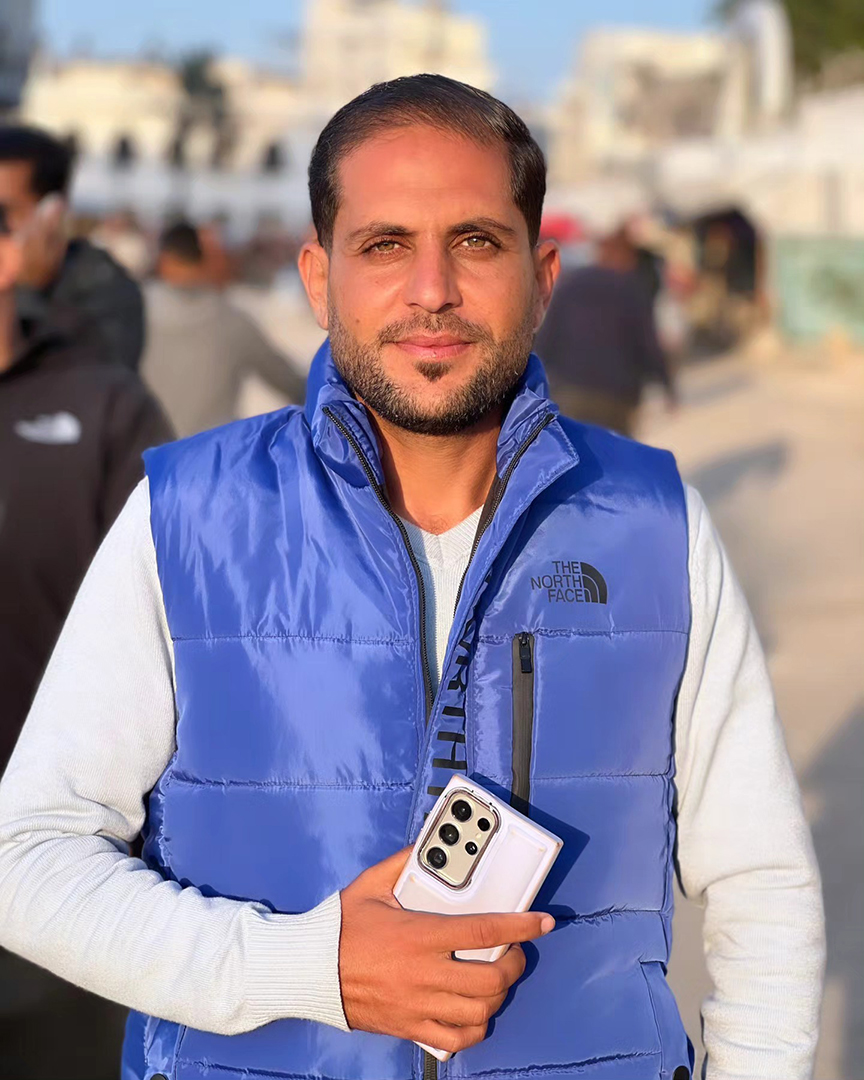
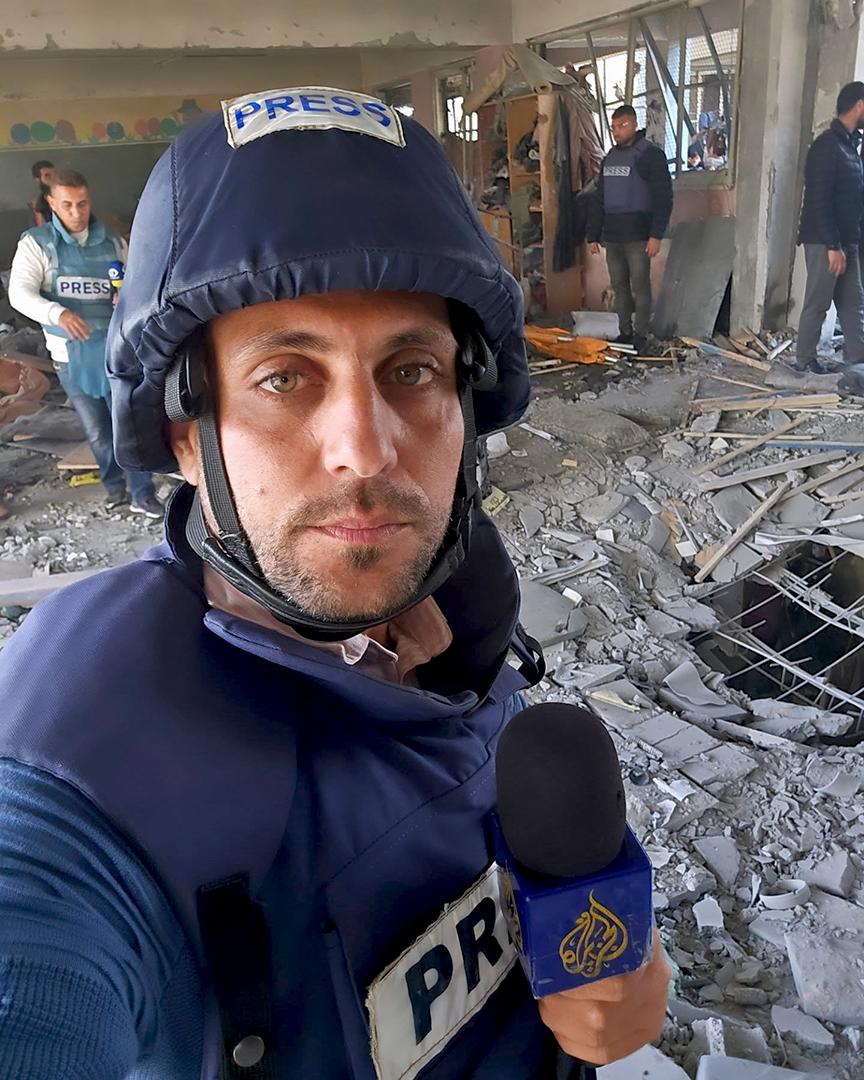
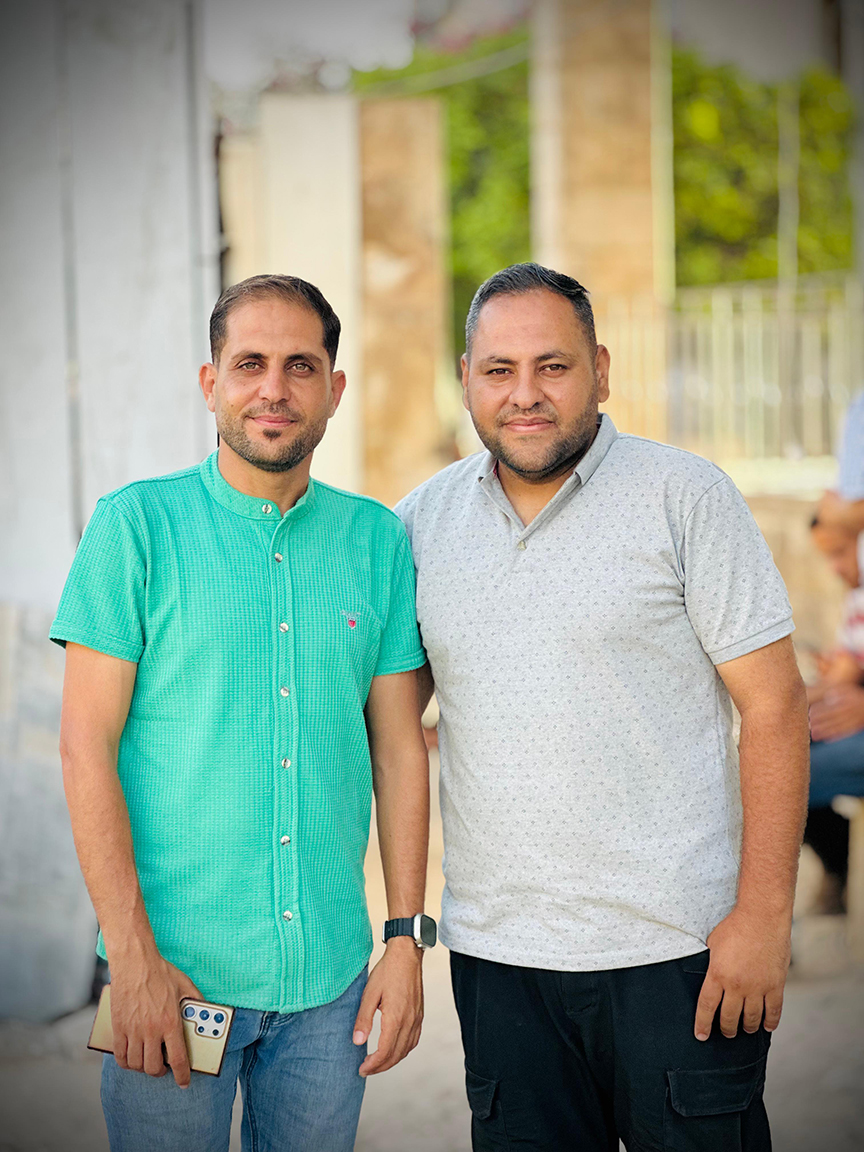
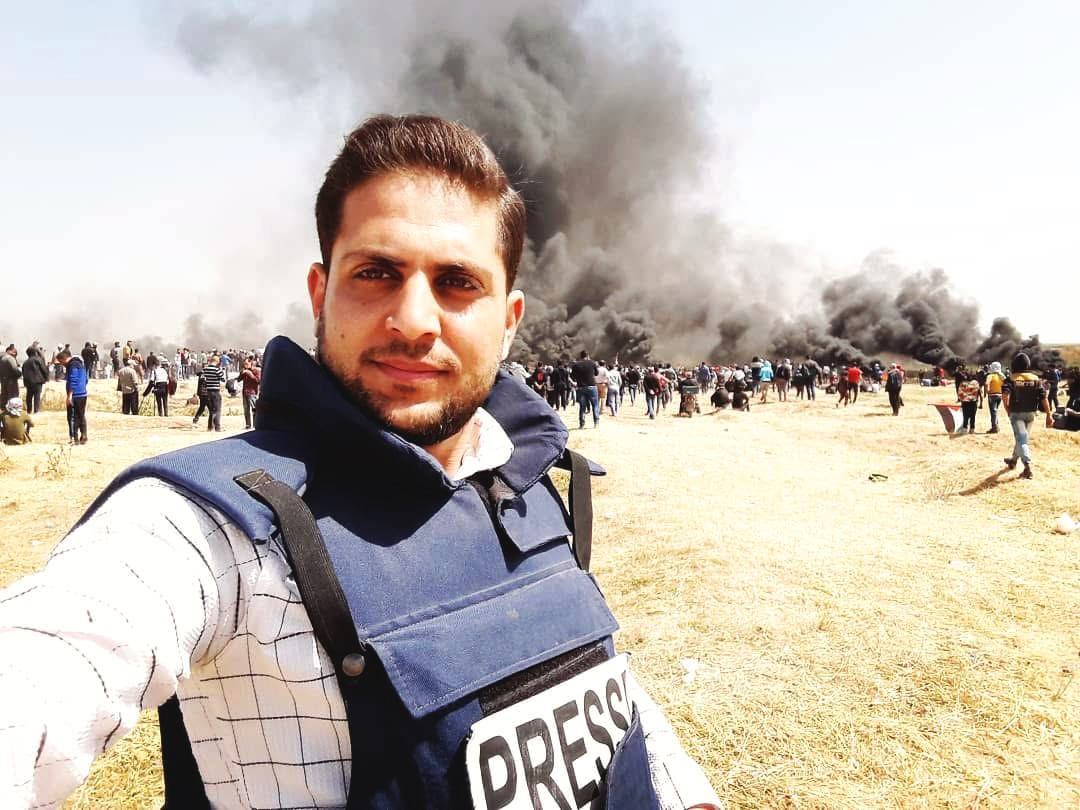
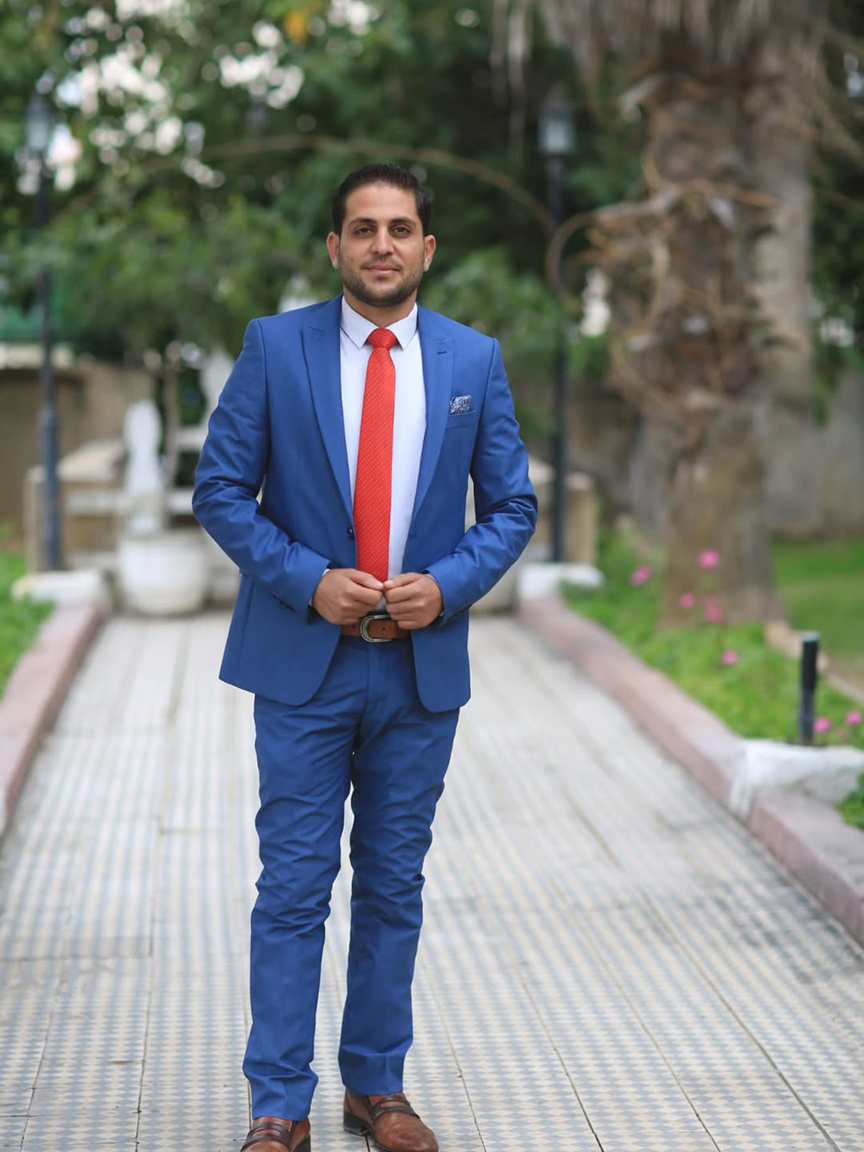
Mohammed Mohammed Qasim Qraiqea was born March 15, 1992, in Gaza City’s Shuja’iyya neighborhood. He received a bachelor’s degree in journalism and media at the Islamic University of Gaza, and was enrolled in a master’s program. He worked as a journalist for Al Jazeera, becoming one of the most well-known reporters in Gaza. His colleagues remember his courage, kindness, and immense love for his family and neighborhood. “He never waited a moment to help me or to help anybody,” fellow journalist Yaser al-Banna said to Al Jazeera.
Qraiqea’s mother was martyred in March 2024 when the occupation stormed Gaza’s Al-Shifa Hospital. After searching for her for two weeks, he found her body on the stairs of the hospital.
On August 10, 2025, Qraiqea appeared on an Al Jazeera live broadcast outside of the ruins of Al-Shifa Hospital. An hour later, he was martyred alongside five of his colleagues — Anas al-Sharif, Ibrahim Zaher, Moamen Aliwa, Mohammed Noufal, and Mohammed al-Khalidi — in a strike targeting their journalist tent outside Al-Shifa Hospital. He was 33 years old.
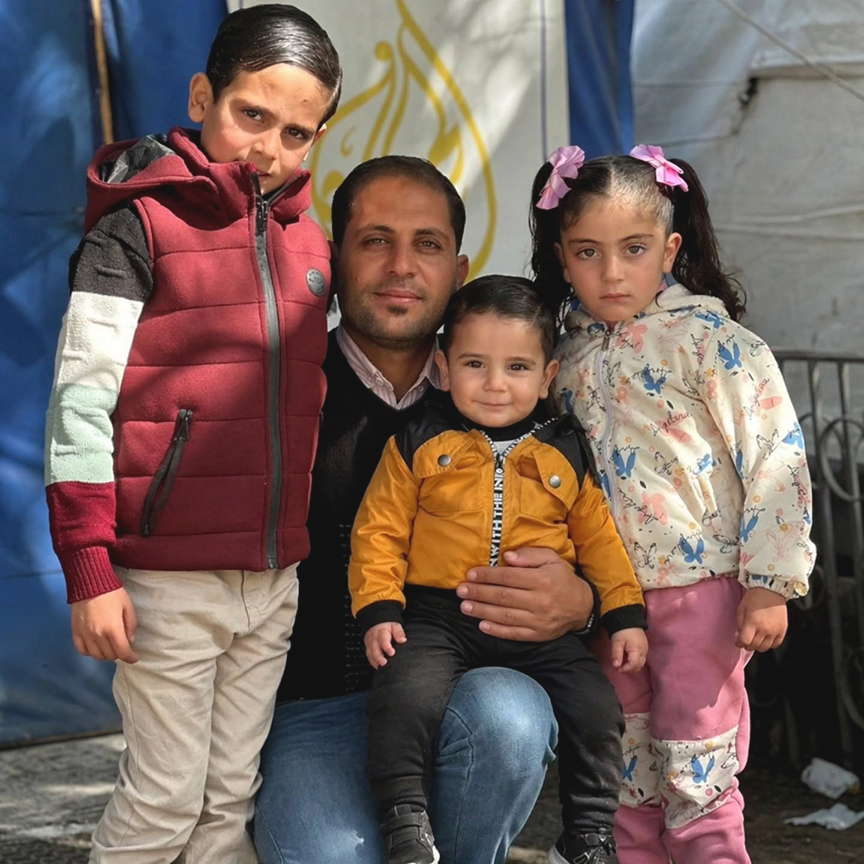
He is survived by his wife and three children.
Show less
معكم الصحفي فايز قريقع، مخرج وصانع أفلام من غزة. I am journalist Fayez Qraiqea, a director and filmmaker from Gaza. طبعا، أنا الآن أسجل هذا الفويس وأنا في أسوأ حالاتي. I am recording this voice message while I am at my lowest point. يعني، لم يمر علينا في هذه الحرب أسوأ من هذه اللحظات… I mean, we are living through the worst moments of this war… لحظة فقد الزملاء الصحفيين والأحباب والأقارب ومن عشنا معهم. The moment of losing fellow journalists, loved ones, relatives, and those we lived with. يعني، أصعب اللحظات، قبلها حلوة. Even the worst moments we had lived through before this were sweet. المصاب كبير، والمصاب جلل، This pain is enormous, it is immense. والكلمات لا تصف ما نشعر به الآن. Words cannot describe what we are feeling. لا تصف مدى حزننا ومدى فقدنا الكبير They can’t describe the depth of our sorrow or the magnitude of our loss. فقدنا قامة إعلامية عظيمة، أنس الشريف، والقامة الإعلامية الكبيرة محمد قريقع، مراسلي الجزيرة، والإخوة الزملاء أيضا، فريق الجزيرة. We have lost an extraordinary media figure, Anas al-Sharif, and a great media figure, Mohammed Qraiqea, Al Jazeera’s correspondents, and our colleagues too, our brothers on the Al Jazeera team.
آه، صراحة، يعني، كان شعور سيئ جدا وفظيع جدا Honestly, it was an awful, horrible feeling عندما دخلنا إلى ثلاجة الموتى نتفقد الشهداء، فوجدنا محمد قريقع وأنس الشريف. seeing Mohammed Qraiqea and Anas al-Sharif when we entered the morgue to identify the martyrs. آه، في، في هذه اللحظة، وجدنا أيضا مؤمن عليوة، وأيضا هو مصور في الجزيرة. And, in that moment, we also found Moamen Aliwa, a photographer for Al Jazeera, وأيضا، الزملاء جميعا، and all our colleagues, وجدنا خمسة زملاء مستشهدين. we found five of them martyred. طبعا، هذا الشيء كان صعب جدا، صعب جدا علينا. Of course, this was very difficult, very difficult for us. انت رايح تشوف اثنين، لقيت خمسة من الزملاء، والسادس أيضا من فريق ثاني غير فريق الجزيرة… You go to identify two colleagues and, instead, you find five, and then a sixth from another team, not Al Jazeera… ستة زملاء. Six colleagues.
صراحة يعني، علاقتي فيه، نتحدث عن محمد قريقع. Honestly, my relationship with him, I mean Mohammed Qraiqea. هو ابن عمي، وعلاقتي فيه، يعني علاقة كبيرة جدا He is my cousin and our bond is very strong. يعني، غير علاقة القرابة والدم، أيضا هي علاقة زمالة، وعلاقة محبة، وعلاقة صداقة، يعني، تمتد لسنين. Beyond being blood relatives, ours is also a relationship of partnership, love, and friendship, going back years. وكانت علاقتي فيه علاقة، علاقة قوية جدا، وعلاقة صداقة، وعلاقة... My bond with him was very, very strong. A relationship of friendship, a relationship… يعني، نتحدث عن... من الأصدقاء المقربين جدا. I mean, we are talking about… one of my very close friends, غير انه قريب لي، يعني، وابن عم. besides being my relative and cousin. كنا نتبادل دائما الأحاديث، نجلس يوميا مع أخونا أيضا أنس الشريف، وزميلنا أنس الشريف. We used to exchange stories and sit daily with our brother and colleague Anas al-Sharif.
أنس الشريف نعرفه منذ سنوات وسنوات عديدة. We’ve known Anas for many, many years. يعني، صراحة، كنا يوميا نتحدث مع بعضنا ونتبادل الحديث. Honestly, we used to talk to each other every day. وآخر مرة كنا، يعني، نتحدث مع أنس، بقول: The last time I was speaking with Anas, I said to him, «أنس أنا حلمت فيك، يعني، وحاسس إنه في إشي. دير بالك عحالك». “Anas, I dreamt of you, and I feel that something is going to happen, so take care of yourself.” وفسرنا الحلم، وكان الحلم طيب، We interpreted the dream and it was a good one. وبقول له: «دير بالك على حالك، صاحبي، وخليك، يعني، حريص، وما تطلعش تنزل كثير»، ومش عارف شو. And I told him, “Take care of yourself, my friend, and be careful, and do not go out too much,” and I do not know what else. صراحة، كان الإشي... قديش كنا حريصين على أنس، وقديش كنا نشوف أنس، في عينين أنس، حرصه على إنه قديش يوصل الرسالة للعالم، Honestly, the thing was … how much we worried about Anas, how we used to see it in his eyes, how set he was on getting the message to the world وقديش كان، يعني، يغيب عن أهله، وعن عائلته، وعن ناس، ويعني، ما في لا راحة ولا إشي، and how much time he would spend away from his family and loved ones. He would not rest or anything, إلا انه كنا قديش خايفين عليه وعلى انه يستشهد، ومحمد كذلك، والإخوة والزملاء الصحفيين. even though we were afraid that he, Mohammed, and our other media colleagues would be martyred.
صراحة، أنا أتحدث، يعني، لولا أنني، يعني، ممكن أن أشعر بتقصير إن لم أتحدث في هذه اللحظة. Honestly, I am only speaking now because I feel like I would be falling short if I did not. لم أتحدث لأني لست قادرا أن أتحدث أبدا عن أي شيء I haven’t spoken [before] because I have not been able to talk about anything. المصاب جلل، والمصاب عظيم جدا. This pain is tremendous, it’s immense. الأمر، يعني، فظيع جدا. This is a horrific thing. قتلوا زملائنا الصحفيين في خيمتهم. They killed our colleagues in their tent. قتلوا زملائنا الصحفيين الآمنين في خيمتهم. They killed our colleagues while they were supposed to be safe in their tent. وهذا شيء، يعني، عظيم جدا، وهذا شيء، يعني، And this is something enormous, and this is something— الاحتلال الإسرائيلي قتل الزملاء الذين يتحدثون عن الحقيقة. The Israeli occupation has killed our colleagues who speak the truth. يريدون أن يطفئوا ويقتلوا صوت غزة. They want to silence and kill Gaza’s voice. لو انه كلام أنس وكلام محمد ما وجعهم وما بيّن الحقيقة صح، لما قتلوهم. If the words of Anas and Mohammed had not hurt the occupation, had not shown the truth as it is, they would not have killed them.
قتلوا أنس وقتلوا محمد ظانين بأن صوت غزة سيسكت، يعني. They killed Anas and they killed Mohammed thinking that Gaza’s voice would be silenced. لكن نحن سنظل نتحدث لآخر صحفي، حتى آخر صحافي في غزة. But we will keep speaking, to the very last one of us, to the last journalist left in Gaza. سنبقى ننقل الرسالة، بإذن الله. We will continue to deliver the message, bi’ithnillah.
أنا هذا اللي قادر احكيه. This is all I am able to say. صراحة، المصاب كبير. Honestly, the pain is enormous. يعني، الكلمات لا تصف مدى حزننا، and these words cannot describe how deep our sorrow is, ومدى تعبنا، how exhausted we are, ومدى، يعني، الغصة التي في قلوبنا، لفقد أنس الشريف، ومحمد قريقع، وفريق الجزيرة، والزملاء الصحفيين. and the deep ache in our hearts for the loss of Anas al-Sharif and Mohammed Qraiqea and the Al Jazeera team and our colleagues, the journalists.
Show less
أنا أحمد النجار، صحفي فلسطيني من جنوب قطاع غزة، I am Ahmed al-Najjar, a Palestinian journalist from the southern Gaza Strip, في مدينة خان يونس، the city of Khan Younis, وبسجل لكم الآن من مخيمات النزوح في مدينة خان يونس and I’m recording this message now from the displacement camps in Khan Younis. وأنا بقول يعني صحفي To be honest, when I call myself a journalist, وأنا يعني خجلان ومستحي أقولها قدام النماذج، و مقارنة بالأشخاص اللي راح أذكرهم كمان شوية I feel a bit ashamed to compare myself with the people I’ll be talking about in a bit. يعني، يعني أنا ايش قدمت وبقدم اللي هم عملوه؟ I mean, what have I really done, what have I sacrificed? والله يرحمهم. May God have mercy on them.
فنبدأ من أول شهر في حرب الإبادة، ١٠/٢٠٢٣، Let’s start with the first month of the genocide, in October 2023, لما الأحزمة النارية كانت ما بتوقفش when the airstrikes and the bombardment never stopped. والواحد يعني أكبر همه وأكثر دعائه انه: At that time, our biggest fear, our most repeated prayer, was just, «يا رب سلّم، وما نفقد أي حدا عزيز» “Oh God, keep us safe and let us not lose anyone we love.” ولكن النصيب انه أول شهيد نفقده من العيلة، But fate had it that the first martyr we lost وأيضا يعني على الصعيد الشخصي، من معارفي ومن كوكبة الصحفيين، from among my family and among my circle of journalists هو ابن عمي حذيفة النجار. was my cousin, Huthaifa al-Najjar. حذيفة النجار كان يعني أحد الأسماء… Huthaifa al-Najjar was one of the names… يعني، حذيفة كان من أبرز العاملين في مجاله one of the top names in his field. كان مجاله إنتاج المواد الإعلامية، الملتيميديا، He was among the most prominent people working in multimedia production, من فيديوهات، إنفوغرافيك، أو صور وما إلى ذلك creating videos, infographics, photographs, and other forms of media content. وعمل يعني مع عدة جهات ووسائل إعلام محلية ودولية كمان في نفس الوقت. He worked with many organizations and media outlets, both local and international. يعني، الله يرحمه. May God have mercy on him. لو كان عايش بيننا اليوم، If Huthaifa were here with us today, فحيكون يعني في الصفوف الأولى في النشر وتوثيق اللي بيصير he would be on the front lines documenting everything that is happening. وكان يا دوب لسه خاطب. He had only just gotten engaged. يعني ما لهوش شهر كان خاطب. I mean, he had not even been engaged for a month. وكنا نتمنى إننا نشوفه بيبدا حياته الزوجية. We all wanted to see his married life begin. ولكن استشهد، الله يرحمه، بآخر شهر ١٠، But he was martyred at the end of October, may God have mercy on him, وهو في زيارة لبيت صديقه، ليكون أول فرد من عائلتي while visiting a friend’s house, becoming the first martyr of my family. وأيضا من كوكبة الصحفيين في قطاع غزة. Also the first among my circle of journalists in Gaza that we lost.
وطبعا، ليكون أول واحد من فوق الـ١٥ شهيد من الدرجة الأولى And, of course, he became the first of more than 15 martyrs among my close relatives. يعني أختي الله يرحمها، عمي، أولاد وبنات عمي. My sister, may God have mercy on her, my uncle, my cousins. ومش حنوفيهم حقهم لو بدنا نتكلم. Words could never do them all justice. فالآن بدأت مشوار النزوح، Then the journey of displacement began, وأشهر طويلة and over many long months وشفنا اغتيال الصحفيين طول الفترة من بداية الإبادة لحتى الآن. we’ve watched journalists being assassinated this whole time, since the beginning of the genocide. يعني، الموضوع ما وقفش. I mean, it never stopped.
وكان، يعني أنا شخصيا، كنت أكره حاجة اسمها أخبار قبل الحرب. Personally, before the war, I hated anything called news. وما أتابعش ولا أوجع راسي فيها I didn’t follow it and didn’t want the headache. يعني، لكن بمجرد ما بدت، But as soon as the war started, صرت مدمن أخبار، يمكن بس الأمنية إني أمسك طرف خبر وقف الإبادة I became addicted to the news, watching for the smallest glimmer of hope that the genocide would end. يعني، هذا أكثر خبر الواحد كان بتتبّع عليه، That was the story I was following the most, وانه وضع لازم الواحد يكون عارف اللي بصير حواليه and in a situation like this, you have to know what’s happening around you. فهذا بالتدريج، يعني أشهر على أشهر من نزوح، وشوية الاتصالات صعبة، So little by little, month after month of displacement passed, and communications were difficult for a while, لكن لما الواحد استقر شويتين، قدر يعني ينخرط في هذا العالم ويكون له دور فيه. but once things became a little more stable, I was finally able to throw myself into this world and begin to find a place for myself in it. ويمكن من أكثر اللي دفعني اللي هو المشاهد. What drove me more than anything, maybe, اللي بنشوفها من اغتيال الصحفيين were the scenes of journalists being killed. يعني، انت لما تشوفهم بنقصوا، بينقرضوا يوم بعد يوم، When you see them being targeted, erased day after day, لانه في محتل بده يخرس أي صوت because there is an occupier that wants to silence every voice ويا عمي أيا عين للعالم للي بيصير في غزة and blind the world to what is happening in Gaza, فبتحس انه انت بما انه في عندك حاجة تقدمها، you feel that since you have something to offer يعني صاحب لغة، دارس اللغة وفاهم الجمهور، as someone with a grasp on language, someone who studied language and understands the audience, ممكن تصل لجمهور أوسع، maybe you can reach a wider public, فليش لا؟ so why not? يعني، احنا كده كده تحت هذه الإبادة. We are living under genocide either way. فلأ، نتكلم So we might as well speak. ويعني لن نذبح بصمت. We will not be slaughtered in silence. يعني العاقبة واحدة. The outcome is the same.
فالمشاهد اللي نشوفها ويمكن اسم بشكل خاص كان إسماعيل الغول، مراسل الجزيرة في الشمال في غزة. Among all the scenes we witnessed, one name in particular stayed with me: Ismail al-Ghoul, Al Jazeera’s correspondent in northern Gaza. يعني، سواء إسماعيل أو أنس، الله يرحمهم، في بداية الأشهر الأولى أصواتهم كانت معروفة إلنا أكثر من وجوههم. Whether it was Ismail or Anas — may God have mercy on them — their voices were more familiar to us than their faces in those first few months. أنا بشكل شخصي ما عرفت أشكالهم غير يعني بعد أشهر. Personally, I did not really learn what they looked like until months later. أنا اللي كنت حافظ الصوت تبعهم، لانه كان الواحد كل اللي عنده راديو. I had their voices memorized because, at the time, all you had was the radio. بالعافية، ما فيش تلفزيونات والانترنت يعني؛ There were no televisions or internet, really. بس راديو الجوال Just the radio on your phone. انه الواحد إذا قدر يسمع، نعمة ورضا. If you were able to listen, that itself was a blessing and something to be grateful for.
وهذا كان مصدرنا الوحيد. That was our only source. يعني، انت في وضع، آه، ما فيش، I mean, you were in a situation where that was all you had. هذا مصدرك الوحيد للأخبار واللي بيصير، خصوصا إذا بتعرف حد في الشمال، It was your only source for news, especially if you knew someone in the North أو من العائلة. or had family there. فإنك صوت تعودت عليه فوق الأحد عشر شهر، For a voice you’d been used to for more than 11 months أو عفوا، أيامها أقل من كده، — or sorry, back then it had been less than that — ويتم يعني اغتياله كده فجأة. for it to suddenly be killed like that. تبخير راسه، يعني. They vaporized his head. حرفيا، رأسه ما كانش له رأس بالفيديو اللي نزل. Literally, he had no head in the video that was released. هو إنسان نزحت أسرته عنه، He was a man separated from his family through displacement, ضل لحاله في مكان يعني هجر معظم الناس منه، اللي هو شمال القطاع left alone in a place most people had already been forced to leave: northern Gaza. وفي النهاية يغتاله الاحتلال بالطريقة البشعة الإجرامية هذه. And in the end, the occupation killed him in this brutal, criminal way. فعلا، انت لما تشوفهم يعني بيمحوا فيهم، When you watch them being killed, ويتم حصد الأصوات هذه، فغصبا عنك بدك يعني تتكلم when these voices are being cut down one after another, you feel compelled to speak. يعني إذا انت ما اتكلمتش، مين اللي حيتكلم؟ Because if you stay silent, who will speak? وبالمناسبة، عن يعني إسماعيل بشكل شخصي، And with Ismail in particular, انه اللي حرض عليه الاحتلال، والذريعة كانت تم اعتقاله. اعتقلوه قبلها the occupation later used accusations and incitement against him even though they had already arrested him before. يعني، تخيل انت: يعتقلك، وبعدين يطلعك، وبعدين يرجع يغتالك بتهمة. Imagine: They arrest you, release you, and then come back and kill you over the same accusation they made before. يعني ايش؟ ايش التناقض والاستخفاف هذا؟ What kind of duplicity is that? What kind of mockery is it? لكن انت بتحكي في احتلال إرهابي ظالم. But you are talking about a terrorist, oppressive occupation. وأنا بتكلم طبعا، لانه من أوائل التقارير الشخصية اللي اشتغلتها كانت قصة عن اغتيال إسماعيل الغول. And I’m speaking about this, of course, because one of the first dispatches I worked on was a story about Ismail’s killing.
الآن نروح لما أنا بديت في مشواري في الصحافة. Now, let’s go to when I began my own career in journalism. و واقف الآن أمام الكاميرا لأول لايف لي في خان يونس، بمستشفى ناصر. There I was, standing in front of the camera for my first-ever live report, from Nasser Hospital in Khan Younis. أول مرة أقف قدام الكاميرا، It was my first time in front of a camera, ويعني مش حاجة كتير متعود عليها and I wasn’t used to it at all. لألاقي جنبي حسن اصليح فجأة And suddenly, I found Hassan Eslayeh standing beside me. واقف، وردّ السلام، وبيسلم و «كيف الحال؟» He stopped, returned my greeting warmly, and asked, “How are you?” طبعا، بعرف من قبل الحرب، Of course, I knew of him from before the war. ما كانش يعني كل القطاع بيعرفه. I think the entire Strip knew of him; انت بتحكي في وكالة أنباء وماشي على الارض. we’re talking about someone who was constantly out in the field. غير انه يعني إنسان. But beyond that, he was deeply human. إنسان بمعنى الكلمة، A human being in the truest sense of the word, حاسس بأوجاع شعبه، بالناس اللي حواليه. someone who felt the pain of his people, of the people who were around him. ليل نهار يصور قصص الناس في الشوارع، في الخيم. Day and night, he filmed people’s stories, in the streets and in the tents. يعني، I mean, نياله من علا صوته حسن اصليح. blessed were those whose voices Hassan Eslayeh lifted. وقف الله يرحمه، ليسلّم. And he approached me, may God have mercy on him, to say hello. ولما أول ما عرف، يعني انبسط كتير انه عني كمان صوت «international» خلينا نقول، انضم للصحافة في قطاع غزة. When he’d heard of me, he was thrilled that another “international” voice had joined the field of journalism in Gaza. وأصر يقف انه حضر أول لايف، ووثقه بعدسته. He insisted on coming to see my first live report and documenting it through his lens. حتى لليوم ندمان إني ما طلبتش الصور أو اللي صوره To this day, I regret not asking him for the photos he took. خلاص نسيت. I just forgot. المهم، يعني قال انه، «ولو انه بفهمش إنجليزي»، كده مزحة، لكن بده يشوفه ويحضره. Anyway, he joked, “Even though I don’t understand English,” he still wanted to watch it and be there for it. وفعلا، بمجرد ما خلصت منه: And the moment I finished, he told me, «أي خدمة، أي استفسار، أي مشكلة، أنا هيني موجود». “Anything you need, any help, any question, any problem, I’m here.” وأشهد بالله انه أول ما أنا موجود وشغال في مخيم الصحافة بخان يونس، And I swear to God, the entire time I was there, working in the journalists’ tent in Khan Younis, يعني أول إنسان، ومن أوائل الأسماء اللي تخطر على بالي أكلمها واستفسر منها، حسن اصليح كان the very first person — one of the first names that came to my mind whenever I needed to call someone or ask about something — was Hassan Eslayeh. الله يرحمه. May God have mercy on him.
حتى الآن، يعني بعد ما استشهد، أول حد بيخطرلي هو برضو. Even now, after his martyrdom, he still comes to mind first. لكن استشهد، الله يرحمه. But he’s been martyred, may God have mercy on him. الآن، حسن كيف استشهد؟ Now, how was Hassan killed? استشهد، أولا انضرب بطائرات الاحتلال في الخيمة في المخيم تبعنا، اللي الخيام لزق في بعضها. The occupation’s warplanes struck our tent — a place where the tents were practically on top of each other. يعني، يومها استشهد يوسف الخزندار والزميل أحمد منصور، That same day, Yusuf al-Khazandar and our colleague Ahmed Mansour were also killed. أحمد منصور اللي انحرق قدام العالم على الكرسي تبعه. Ahmed Mansour, the one the whole world watched burn in his chair. وأصيب حسن إصابة يعني مش بسيطة؛ انبترت أصابعه، Hassan’s injuries — I mean, they weren’t minor. Several of his fingers were amputated. وقعد فترة طويلة ما بين المستشفيات He spent a long time moving from one hospital to the next. وكان ما زال بتعالج لحد ما رجع مستشفى ناصر، وعلى السرير اللي يتعالج فيه. He was still receiving treatment when he returned to the same bed at Nasser Hospital. لكن التحريض تحريض، واللي بده… And the campaign continued… وعلى السرير اللي كان يتعالج فيه، حسن، ويعني في المستشفى، And to the very bed where he was being treated إنسان مريض، مصاب، بيتعالج على سريره في المستشفى بعتوا له الصاروخ لعنده. — Hassan, I mean, a sick and injured man — they sent a missile. الاحتلال اغتال حسن. The occupation assassinated Hassan. يعني، كسرة لغزة، للصحافة، ولصوت غزة كان، الله يرحمه It was a devastating loss for Gaza, for journalism, and for Gaza’s voice, may God have mercy on him. لأني ما ببالغ لما أقول حسن كان بناطح قنوات ووكالات أنباء وأخبار بحالها. I am not exaggerating when I say that Hassan held his own against entire television channels, news agencies, and media organizations.
فهذا هو، هذا هو الاحتلال الإسرائيلي This is the Israeli occupation. وهذا الإرهاب تبعه. This is their terrorism. هذه العقلية تبعته لخرس وقمع أي صوت يطلع من غزة. This is their logic: silencing and crushing any voice that emerges from Gaza. بعد هذا استمرت طبعا الاغتيالات. And the killings continued. يعني، لحد حسن تقريبا كنا بنحكي في ٢١٥ شهيد من الصحافة والإعلاميين By the time Hassan was killed, around 215 journalists and media workers were martyred. ولو إني أنا بقول يعني انه الأعداد أكبر من كده بكثير. Though, personally, I believe the real number is much higher. لانه نعم، على صعيد المهنية والتوصيف الصحيح، هذا هو الرقم. Yes, professionally and according to the strict definition, that may be the official figure. لكن انت بتحكي اليوم في ناس كثير، يعني لحالها على حساباتها على السوشيال ميديا بتوثق. But today, you are talking about many people who, through their own social media accounts, are documenting what is happening. وهذا لحاله بمثابة يعني نقل للي بصير في غزة. That in itself has become a way to broadcast what is happening in Gaza. يعني، بتحكي قصصها. They tell their own stories. الناس حرفيا، اليوم الناس صحفيين لحالها، Today, ordinary people have become journalists, وبتحكي في حياتها تحت حرب الإبادة هذه، وبتنقل معاناتها وآمالها لحالها speaking about their own lives during this genocidal war, sharing their suffering and hopes. ولو أصلا الاحتلال يعني يعني مشوّه حاله بحاله. And, really, the occupation exposes itself all on its own. لكن أحيانا و الصور اللي بتطلع أكثر من كافية للتكلم عن اللي بيصير Sometimes the images that emerge say more than enough, لكن المشاهد والمستمع بده شوية لحن مع المشهد اللي قدامه. but audiences still need a little hand-holding to grasp the scene. لعل وعسى يعني يتحرك العالم ليعمل شيء. Maybe then, just maybe, the world might be moved to do something. وحسبنا الله ونعم الوكيل. Hasbunallahu wa ni’mal wakeel.
وطبعا مؤخرا And, of course, most recently, اللي هو خلال الأسبوع الماضي، اغتيال أنس الشريف ومحمد قريقع وطاقم الجزيرة في غزة. this past week, came the assassination of Anas al-Sharif, Mohammed Qraiqea, and the Al Jazeera crew in Gaza. الآن أنا ما بقولش إني بعرفهم بشكل شخصي، لكن مثل ما قلت، انه ارتبطنا بصوتهم I’m not claiming I knew them personally, but as I said, their voices had become part of our lives. أو أنس بشكل خاص يعني، ومحمد اللي هو، Especially Anas, and Mohammed too, يعني، اللي مسك مكان إسماعيل الغول، الله يرحمه. who had stepped into Ismail al-Ghoul’s shoes, may God have mercy on him. و انت بتحكي عن ركنين أساسيين إلنا في عالم الصحافة في غزة. You are talking about two foundational pillars for us in the world of journalism in Gaza. يعني، ولو إننا كنا، بحكم الحصار والاجتياحات، مشتتين في القطاع هنا. Even so, we were scattered across the Strip because of the siege and the raids. لكن في مجموعاتنا الافتراضية، خلينا نقول، But in our group chats, أول ناس، أول أول اثنين لأي حاجة بتصير في الشمال ومدينة غزة، كانوا أنس ومحمد عنا؛ تواصل مباشر يعني whenever anything happened in the North or in Gaza City, Anas and Mohammed were always the first two people we called.
والآن بعد أشهر من التحريض، بكل بساطة أي حد ما يعجبوش: إرهابي، مباشرة، إرهابي، إرهابي. And now, after months of incitement, it’s clear: Anyone the occupation doesn’t like is branded terrorist, terrorist, terrorist. يلزق فيه، ومباشرة اغتياله They get stuck with the label, and then they are killed. بكل بساطة وبكل شرعية بالنسبة اله، يعني قدام العالم، للاحتلال الإسرائيلي. It is simple, justified, completely legitimate in the eyes of the Israeli occupation, in front of the whole world. فجأة، انت قاعد، Suddenly, you’re sitting there, استشهد محمد واستشهد أنس and then Mohammed is martyred, Anas is martyred. عادي، خبر اجى كده، والواحد يعني… Just like that… الصدمة يعني كبيرة، لكن متوقعة، لانه احنا بنحكي في أشهر بعد أشهر من التحريض. The news broke, and the shock was enormous but expected because we’re talking about months and months of incitement ومن الاتهامات الباطلة and false accusations. ناس من يوم، من يعني من أول يوم في الحرب، سابت أهاليها وراها، سابت أولادها. People who, from the very first day of the war, left their families behind, left their children behind. أنس ابنه ولد خلال الحرب، ما شافوش إلا بعد أشهر. Anas’s son was born during the war, and he did not see him until months later. محمد أمه استشهدت. Mohammed’s mother was martyred. أعدمها الاحتلال وهي مريضة، بتتعالج في المستشفى، أو في طريق نزوحها. The occupation executed her while she was sick, receiving treatment in the hospital during her displacement. وهو يغتالهم، يغتالهم And still, it kills them, kills them. لانه بالنسبة لهذا الاحتلال، Because, to the occupation, الإرهاب انه لناس لقرابة ٦٧٠ يوم terrorists are people who, for nearly 670 days, وهي بتوثق أشلاء have been documenting dismembered bodies, ومجازر massacres, ومجاعة starvation, وأطراف مبتورة. and severed limbs. ويعني إيش المغزى انه الواحد ينشر حاجات أو يكذب فيها عرأيهم الداعي، أو البروباغاندا اللي بصير؟ What would be the point of us fabricating things or lying, as they claim in their propaganda? يعني، يعني ليش الواحد يكذب؟ Why would we need to lie? هو شايف يوميا طوابير رايحة على مغاسل الموتى، People see it every day: lines at the morgue, وسيارات الإسعاف رايحة جاية، ما بتوقف. ambulances coming and going constantly. ايش يعني؟ ايش؟ ايش يكذب؟ So, what then? What exactly is there to lie about? وهذا هو الواقع من أكثر من ٦٧٠ يوم. This has been the reality for more than 670 days.
فأنس ومحمد اغتالهم الاحتلال، وبرضو كمان كسرة للصحافة و الأصوات البارزة في غزة. The occupation assassinated Anas and Mohammed, and once again, we lost some of Gaza’s most prominent voices, a devastating loss to journalism. ويمكن خصوصا في هذا الوقت اللي بيهدد فيه انه بدأ يجتاح المدينة، Especially now, at a moment when the occupation threatens to invade the city — هو فعليا مجتاح القطاع كله ومحتل القطاع كله even though in reality it has already invaded and occupied the entire Gaza Strip. يعني، استخفاف واستخفاف بالعالم كله، The occupation mocks the whole world في التصريحات وفي اللغة هذي اللي بستخدمها in its statements and in the language it uses. فالآن راحوا صوتين، وحيجي بدالهم أصوات. So now two voices are gone, and other voices will come after them. أي نعم، تأثرت الصحافة. It’s true. Journalism has suffered, ولكن هذا هو الحال: but this is our reality: شهيد بيحمله شهيد، بصوره شهيد، بيدفنه شهيد A martyr carries a martyr, photographs a martyr, buries a martyr. وهذا هو الحال. This is the reality.
ولكن بما إننا بنحكي في صحافة غزة، وكيف انه لعالم كله معتمد على الصحفيين في غزة يوميا، كل الوكالات والأخبار، Since we are talking about the press in Gaza and how the whole world depends daily on the journalists there, ما شاء الله بتلاقيهم بيستخدموا مواد مختومة أو موقعة بأسماء الصحفيين في قطاع غزة، تمام؟ mashallah, you constantly find that all the agencies and news outlets are using materials watermarked or signed with the names of reporters in the Gaza Strip, right? بيجي في النهاية يقول لك انه احنا، يعني مثلا، ما بنقدرش نتأكد لحالنا، ممنوعين للأسف. Then, in the end, they come and say, “We can’t independently verify things ourselves because we’re not allowed in.” طبعا، الاحتلال الإسرائيلي هو اللي بيمنع، والذي يتغنى بالديمقراطية وحرية الصحافة هو اللي منعهم. Of course, it is the Israeli occupation that prevents this, the same occupation that praises itself for democracy and press freedom. لكن يعني الآن، على فرض انه دخلت الصحافة الأجنبية But let’s say foreign journalists were allowed to enter. هل مثلا عشان هذا اسمه جون ولا لورين، وهذا أنس وهذا محمد، ناخد رواية الأجنبي؟ Is it really because one person is named John or Loraine, while another is Anas or Mohammed, that we are supposed to trust the Western version more? ما هي هي المجازر اللي حتتصور، ولا احنا ما غير يعني… The massacres being documented are the same; it’s not as though reality changes… لا اعتبار لكلامنا أو لمصداقية الصور اللي بتطلع. Our words are given no weight, nor are the images we produce treated as credible. ونوصف بالإرهاب، واللي بنسويه إرهاب Instead, we are called terrorists, and what we do is labeled terrorism. إرهاب إنك تصور قاتلك وهو يذبح فيك ويذبح في شعبك. So filming your killer while he is slaughtering you and your people — that is terrorism? أما على صعيد الجهة الثانية، الاحتلال الإسرائيلي وما يسمى مراسلين الاحتلال، Meanwhile, on the other side, Israeli occupation reporters, the so-called correspondents of the occupation, يدخلوا عندنا، يدمروا بيوتنا هم بأيديهم، مدججين بأسلحتهم وعتادهم العسكري enter alongside military forces, destroying homes with their own hands, carrying weapons and full military gear, وشعار القنوات تبعتهم، أو «PRESS» بكل بساطة، على الفيست اللي لابسينها. all while displaying their broadcaster’s logo or simply “PRESS” on their vests. فيعني، أنا معني إني أذكر الكلام هذا وين ما كان فيه، لأانه انت فعلًا بتتكلم… And that’s why I feel compelled to talk about this whenever I can… يعني اليوم، بتذكرها أنا قبل ما أدخل أصلا عالم الصحافة. Because I remember it clearly, even before I began reporting. يانون مجير، صحافي إسرائيلي، بتفاخر يعني مش انه يحاول يخبي There was an Israeli journalist, Yinon Magal, openly bragging, not trying to hide this violence in any way. لا لا، بتفاخروا وبينشروا ويوثقوا On the contrary, they were proud of it. They published it and documented it themselves. يعني بيقول: «أنا دخلت في دبابة، والضابط حكالي اضغط الزر، وفجرت بيت». They openly say things like, “I got into a tank, and an officer told me to push the button, so I destroyed a house.” عادي. As if it were nothing. وهذا شفناه برضو في لبنان لاحقا. And later, we saw the same thing in Lebanon. ويعني روتين It became routine. غير الصحفيين اللي دخلوا المستشفيات عنا، منهم مسدساتهم وجعبهم، غير اللي بيدخلوا بالـ M16 شايلينها، وطبيعي جدا." Journalists were entering our hospitals carrying pistols and ammunition gear, let alone the ones walking in with M16s, as if it were completely normal. فإذا احنا اللي بنسويه إرهاب، ايش نقول عن هذا الإجرام؟ So if what we do is considered terrorism, then what are we supposed to call these crimes?
هذا هو لهم ما بعض أبطال الصحافة وأصوات غزة. So this is who they were: some of the heroes of journalism and the voices of Gaza. ولو إني أنا ما بحبش توصيف الأبطال، لانه احنا، احنا بشر. Though, honestly, I do not like when we are described as heroes because we are human beings. احنا بشر. We are human beings. يعني ما بدناش أكثر من إننا نعيش على أرضنا محررة من الاحتلال، All we want is to live on our land, free from occupation, بدون الخوف من الشياطين اللي بتطير فوق رؤوسنا، ممكن ترمي علينا قنابل without fear of the devils flying overhead that could drop bombs on us at any moment, مش أقل من القنابل النووية في أي لحظة. bombs no less terrifying than nuclear bombs. ويا عالم، يعني إذا استمر هذا الحال بدون تدخل من اللي بيتغنوا، And who knows, if this situation continues without intervention from those who are always preaching these ideals — من المنظمات الدولية أو من أي حد بإيده تغيير، يعني اللي بيتغنوا بحقوق الصحافة والإنسان، whether international organizations or anyone with the power to change things, those who talk so much about freedom of the press and human rights — انه يجي يوم وتنقرض فيه الصحافة في غزة a day may come when journalism in Gaza disappears entirely. يحصدنا واحد واحد، وأي صوت يعني يرفع عدل، يخرسوه ويمحى عن الوجود They will hunt us down one by one, and any voice that calls for justice will be silenced and erased from existence. لانه انت بتحكي مع محتل، مختل مجرم إرهابي. Because you are dealing with an occupier — deranged, criminal, terrorist. هذا هو الاحتلال الإسرائيلي. This is the Israeli occupation. ماتسيبوش غزة، ودائما اتكلموا عن غزة. So do not abandon Gaza, and keep speaking about Gaza. وبعتذر لو طولت، ويعطيكم ألف عافية. And I apologize if I spoke for too long. May God give you strength. أحمد النجار، من خان يونس، جنوب قطاع غزة، في فلسطين. Ahmed al-Najjar from Khan Younis, in the southern Gaza Strip, Palestine.
Show less
مرحبا. يافا أبو عكر، مراسلة صحفية من قطاع غزة. Hello. This is Yafa Abu Akar, a journalist from the Gaza Strip. في البداية، من بداية الحرب، من أول يوم في الحرب لهذه اللحظة Since the start of the war, from the very first day until this moment, وأنا في الميدان، أعمل كمراسلة صحفية وككاتبة لقصص الشهداء I have worked as a reporter in the field, documenting the stories of our martyrs, ولقصص انه أبناؤنا ليسوا أرقام، بل هي قصص حقيقية. stories that ensure our people are remembered as human beings with full lives, not just numbers. لهم أمهات، ولهم أبناء، ولهم حكاية. They have mothers, they have children, and they have stories of their own. كتبت ودوّنت الكثير من القصص للشهداء كان من ضمنهم شهداء من زملاء صحفيين عاملين في الميدان وزميلات صحفيات عاملات في الميدان. I have also written about fellow journalists, men and women who were martyred in the field. في البداية، أنا كصحفية فقدت أكثر من خمسين شخص من عائلتي، شهداء. Over 50 members of my family have been martyred. منهم أخوالي، ومنهم أبنائهم وزوجاتهم وأبناء العم. Among them are my uncles, their wives, and my cousins. وبشكل مباشر تم استهدافهم، و قد قتلوا هؤلاء، يعني، نتيجة الاستهداف المباشر لمنازلهم. They were killed in direct attacks on their homes. في الحديث عن عملي الصحفي، كان عندي شوية ضغط نفسي وضغط معنوي من ناحية استهداف الزملاء الصحفيين. As a journalist, I have felt distressed and demoralized as a result of the deliberate killing of my colleagues. في البداية، أنا نزحت للجنوب. At the beginning of the war, I fled to the South. ورأيت بأم عيني كيف يتم استشهاد واستهداف الزملاء الصحفيين. I saw with my own eyes how journalists are targeted, how they are martyred. أكثر من ٢٣٩ صحفي فلسطيني وصحفية فلسطينية. Over 239 Palestinian journalists have been killed. على مدار التاريخ، لم يكتب التاريخ أن تم استهداف أكثر من ٢٣٩ صحفي في دولة Nowhere in history have 239 journalists been killed in one place إلا في قطاع غزة. except in the Gaza Strip. يعني، الإعلام مستهدف. What I mean is that journalism itself is a target. نحن ننقل بالصوت والصورة ما يحدث من إبادة في قطاع غزة، ننقل بدمائنا و بكتاباتنا وبصوتنا We are covering the genocide in Gaza with our blood, our writing, our voices. إننا في الميدان ننقل فقط الحقيقة. In the field, we only report the truth. الحقيقة التي لم تعجب الكثير، الحقيقة التي قد تقتل منّا الكثير. A truth that many will not like, a truth that may kill many of us. يعني الإبادة، وبمعنى أكثر وأصح، نحن نتعرض لتطهير عرقي في قطاع غزة. This genocide, to be more precise, is an ethnic cleansing of the Gaza Strip.
علاقتي مع الشهداء علاقة قوية. My bond with the martyrs is strong. أخوالي الأربعة اللي فقدتهم، مع أبنائهم، مع زوجات، مع أحباب منهم. My four uncles, their children, their wives, and their loved ones. جميعهم هم قطعة من القلب They are a piece of my heart. جميعهم أحباب. They were all loved. جميعهم لهم أحلام. They all had dreams. جميعهم لهم قصص. They all had stories. جميعهم كان طموح. They all had ambitions.
فكان من أصعب القصص الإنسانية اللي أنا اتعرضت لها، فقط، اللي هي قصة خالي. One of the hardest things I have been through is what happened to my uncle. اللي تم استهدافه وقتله هو وجميع عائلته. He was targeted and killed with his entire family. فقط، من نجا من عائلته طفل عمره تسع سنوات. The only survivor was a 9-year-old child. هذا الطفل الناجي، الذي عندما وعي وفاق من الصدمة When the shock began to wear off, وجد نفسه بين رأس أبيه المقطوع، the child found himself lying between his father’s severed head, وأشلاء أمه الممزقة his mother’s dismembered body, ودماء أخواته داخل هذا المنزل. and the blood of his siblings. فقط ما رآه هذا الطفل. This is all that child saw. ومنذ أكثر من سنة وسبع شهور على التوالي، لا يستطيع النظر إلى أي شخص على رأسه بشكل مباشر. For over a year and seven months, he has been unable to look directly at anyone’s face. لأنه فاق من الصدمة، ووجد فقط انه هو عايش. Because he awoke to find himself as the only survivor. لكن رأس أبوه مقطوعة. His father’s head was severed. وأشلاء أمه ودماء إخوته. His mother’s remains and his siblings’ blood were scattered around him. منذ أكثر من شهور وهذا الطفل عاجز عن النظر إلينا، أو حتى إلى عيوننا. For months, he’s been unable to look into our eyes or even in our direction. هذه فقط قصة من القصص اللي أنا تحدثت عنها. This is just one of many stories I’ve documented. يعني أنا أحيانا، عندما يتم استهداف منازل عائلتنا أو أحبابنا، إلكم انه تتخيلوا كيف يكون الموقف، انه أبثّ خبر استهداف واستشهاد أفراد من عائلتي. I mean, imagine what it’s like for me to broadcast the news that members of my own family have been martyred, when their homes are targeted. يعني، كيف بدك تكوني قوية جدا على الهواء، وبنفس اللحظة بدك تصبري وبدك تحاولي تكتمي دمعتك؟ How could you stay strong on air and simultaneously remain patient, try to hold back your tears? هؤلاء برضو، يعني، بني آدمين،. These are human beings, بشر إلهم قصص people with stories. فكانت صدمة بين عملي المهني وعملي الإنساني. It’s been traumatic, between my professional work and my humanitarian work.
تعرضت لكثير مواقف مع زملائي الصحفيين. I’ve been subjected to many things when it comes to our colleagues, يعني، آخر من تم استهدافهم ستة من زملائنا الصحفيين. most recently the targeting of six of our fellow journalists. للأمانة، إني فقدت الثقة جدا في هذا العالم الظالم اللي بشوف أبنائنا كيف يقتلوا، بشوف كيف زملائنا يقتلوا، Honestly, I’ve lost faith in this unjust world that watches our colleagues being killed, our children being killed. بشوف كيف أطفالنا يتم تجويعهم بطريقة بشعة، بطريقة مذلة. It watches our children being starved and humiliated, نساؤنا اللي بتلف على البيوت تعثر على شيء من جثامين أبنائها. our women walking through houses searching for their children’s remains.
يعني، كانت صدمة جدا قوية عندما ذهبت ثاني يوم للتغطية. It was a big shock when I went the morning after their tent was targeted. بشكل مباشر صباحا لتغطية استهداف الخيمة الصحفية لزملائنا أنس الشريف، ومحمد قريقع، ومحمد الخالدي، وإبراهيم [ضاهر]، ومحمد نوفل. I went to cover the martyrdom of Anas al-Sharif, Mohammed Qraiqea, Mohammed al-Khalidi, Ibrahim [Zaher], and Mohammed Noufal. كانت صدمة جدا منظر الدماء على الخيمة. The sight of blood on the tent was extremely shocking. هم فقط صحفيين حاملين كاميرات، فقط هم صحفيين حاملين أصواتهم. These are only journalists carrying their cameras and their voices. هم صوت غزة الحقيقي. They are Gaza’s real voice. فكانت الصدمة إني شفت الدماء، شفت المنظر. It was traumatizing to see the blood, to see the scene. شفت الصمت العربي، وشفت الصمت من قِبل زملائنا. I saw silence from Arabs and silence from journalists. كانت لحظة ممكن إني أفقد فيها أعصابي، للأمانة يعني. In that moment, I almost lost my mind, to be honest. حاولت إني أمسك نفسي وأمسك أعصابي وأنا بعمل جولة للتقرير داخل هذا المكان، لكن لم أتمالك نفسي. I tried to hold myself together and control my nerves while I walked through the place for the report, but I could not contain myself. زميلي محمد قريقع يتيم، وتربّى يتيم، وفقد والده منذ صغره. My colleague Mohammed Qraiqea lost his father as a young child. والآن يعود التاريخ كما هو: And now history repeats itself: ابنه زين وأبناؤه الثلاثة الصغار أيضا سيعيشون أيتاما. his son Zein and his three young children will also live without a father. وسيعيشون نفس تاريخ والدهم They will live the same story as their father. أنس أيضا، اللي كان يوصي بأمه، يوصي بأطفاله. Anas, too, who was always asking us to take care of his mother and children. محمد الخالدي، الشاب الغلبان. Mohammed, Mohammed al-Khalidi, the poor man, الصحفي اللي ما كان إله مكان يتواجد فيه، لينام فيه بعد تغطيته الإعلامية. the journalist who had no place to sleep after work. كان متواجد داخل خيمة للنقابة لأنه ما في خيمة إله. He was in the tent because he didn’t have one of his own. ما في مجال ينام في الشارع، فتم استهداف محمد الخالدي. He could not sleep on the street, and so our colleague Mohammed al-Khalidi was struck there. كثير قصص لا زالت تؤثر فينا. Many stories stay with us. لحظة استهداف وحرق زميلنا أحمد منصور. داخل خيمة في مستشفى ناصر الطبي The moment our colleague Ahmed Mansour was targeted and burned inside a tent at Nasser Medical Complex. العالم كله شاف كيف جسمه بينحرق، وما قدرنا احنا كزملاء نطفي. The whole world saw his body burn, but we, his colleagues, could not save him. كل هاي الشغلات لها تأثير على عملنا، وتأثير على نفسياتنا. These memories affect our work and our psyche, لكن نحن مصرين على انه نوصل الرسالة ونوصل صوتنا but we remain determined to deliver our message and make our voice heard. إذا أنا كيافا، بعد ما فقدت وقفت عملي، مين بده يكمل بعدي؟ If I, Yafa, stopped working after everything I lost, who would continue after me? إذا أنا يافا، اعتبرت انه الشهداء اللي بيموتوا هدول مجرد أرقام، If I, Yafa, considered all these martyrs as mere numbers — بكون في حسرة في قلبي لما بطلع عالهوا مباشرة وبحكي ١٠٠ شهيد I feel heartbreak anytime, live on air, I say only the words: “100 martyrs.” المفترض أنا أذكر مين هؤلاء المئة شهيد I am supposed to say who those 100 martyrs were. أذكرهم بالاسم Mention them by name. أذكر قلب كل أم أو كل ابن لهؤلاء الشهداء، I should name them and speak of the heart of every mother أو كل حسرة لزوجة هؤلاء الشهداء. or child they left behind and of every wife’s grief. كل شهيد له قصة. Every martyr has a story. وكل قصة لها حكاية. Each one is a tale in its own right. وكل حكاية لها دم ودموع ينبكى عليها العمر كله. Every tale carries a lifetime’s worth of blood and tears.
كثير كثير شغلات صعب نحكيها. There are many, many things that are difficult to talk about. على صعيدي الشخصي، كيافا، أنا عائلتي تشتت. As for myself, my family has been torn apart. والدي المريض اللي بتعالج في الضفة الغربية، My father, who is ill, is being treated in the West Bank, ويعالج نفسه لوحده، ويجري عمليات جراحية لوحده، دون مرافق undergoing surgeries alone without a caretaker, ودون السماح لأحد أن يتواجد معه. without being allowed any company. هذه حسرة في قلبي. It breaks my heart. أمي وأخي وابني المصاب، اللي خرج من غزة إلى جمهورية مصر العربية. My mother, my brother, and my injured son left Gaza for Egypt a year and eight months ago. سنة وثمان شهور ولم أستطع أن أحتضن ابني ذات الخمس سنوات I have not been able to hold my 5-year-old son since then. ابني كبر بعيد عني منذ أكثر من سنة وثمان شهور على التوالي. He’s been growing up away from me for a year and eight months. والدتي مريضة سرطان، التي هي بحاجة ماسة لي.... My mother, who has cancer and desperately needs me by her side, الآن هي متواجدة في الشق الثاني، يعني بعيدة عني is also far away. يفصلنا حواجز، ويفصلنا دموع، ويفصلنا ألم. Borders and checkpoints separate us along with tears and pain. دموع كثيرة، يعني ممكن أن نتحدث فيها عن شهدائنا ونتحدث عن قصص. There are so many tears we can speak of, whether about our martyrs or our other stories. يعني لو بدي أفتح الدفتر، أحكي عن أكثر من ٦٠ ألف شهيد. If I wanted to speak about this, I’d speak about more than 60,000 martyrs. مش رح أحكي بس عن شهيد، أو عن ٥٠ شهيد، أو عن ١٠٠ شهيد. I would not just talk about one martyr or 50 martyrs or 100 martyrs. طبعا غير المفقودين، وغير الموجودين داخل منازلهم منذ أكثر من سنتين. And that is without counting the missing and those who have been buried beneath their homes for more than two years. لما قصفت المنازل، تم استهداف النازحين داخل هذه المنازل منذ أكثر من سنتين. For over two years, those who were displaced from their homes that were targeted are still being bombed. نتحدث عن آلاف من الشهداء، هم مجهولي الهوية. We are talking about thousands of martyrs whose identities are unknown. هم داخل منازل، ذابت أجسادهم دون أن يحصلوا على كرامة دفن الشهداء. They are underneath homes, their bodies decomposed, without receiving the dignity of a martyr’s funeral.
أيضا، دعني أتحدث عن أصعب لحظة في حياتي. Let me talk about the hardest moment of my life. أنا لن أستطيع نسيانها لو عشت أو لو كتب لي عمر جديد This is a moment I could never forget even if I lived another lifetime. لحظة حضوري لدفن أكثر من٨٩ شهيدا مجهولي الهوية في قطاع غزة. When I went to the funeral of over 89 unidentified martyrs from Gaza, تسعة وثمانين... Eighty-nine martyrs… إسرائيل حاولت أن يتم دفنهم بطريقة بشعة. whom Israel tried to bury without recognition, قد بعثت حاوية، وفي هذه الحاوية أكثر من جثمان لشهدائنا. sent to us in a garbage container. ٨٩ جثمانا لم يُعرف من هم. There were over 89 martyrs in that container whose identities were unknown. عبارة عن عظام، عبارة عن أشلاء، عبارة عن روائح دم. They were only bones, only remains, only the smell of blood. عندما تواجدت داخل هذا المكان، وشاهدت للحظة الأولى أكياس زرقاء ودماء، بكيت العمر كله. When I was there and saw the blue bags, filled with blood, I wept endlessly. لم أتمالك نفسي. I could not contain myself.
كيف يُدفن هؤلاء الشهداء دون أمهاتهم؟ How can martyrs be buried without their mothers? وكيف يُدفنوا دون أبنائهم؟ How can they be buried without their children? وكيف لا يتم التعرف عليهم؟ How do we not know them? وكيف لا نحافظ على كرامتهم؟ How did we not preserve their dignity? للأمانة، بعد ما خرجت من إعداد هذا التقرير، دخلت في مرحلة اكتئاب حاد. To be honest, after this report, I fell into a deep depression. انه هذا هو مصيرنا؟ Is this our fate? آخرنا يتم دفنا في أكياس؟ We will end up buried in plastic bags? وإسرائيل تبعث شهدائنا و جثامينهم داخل حاوية للقمامة And Israel sends the bodies of our martyrs in garbage containers, وترفض أن تعرف هؤلاء الشهداء؟ refusing to allow these martyrs to be known? لم أستطع تمالك نفسي عندما دُفن هؤلاء الشهداء. I could not contain myself when these martyrs were buried. كانت للمرة الأولى، شممت رائحة الدم. For the first time, I smelled blood. وجدت شعرا لفتيات صغيرات. I found the hair of little girls. وجدت أجسادا مقطعة، I found dismembered bodies, دماء جديدة، دماء قديمة، fresh and old blood, جثث، corpses, عظام، skeletal remains, رؤوس. and severed heads. كل هاي الشغلات خلّتني أحتقر العالم الظالم، وأحتقر كل كلمة خرجت فيها على الإعلام وتحدثت إننا شعب نريد الحياة. All of this — it made me despise this cruel world and every word I had spoken about our people wanting to live. نعم، احتقرت أننا منذ أكثر من سنة وتسعة شهور، ونحن نتحدث عن إبادتنا وقتلنا، دون أن يحرّك العالم ساكنًا. I hated the fact that for over a year and nine months, we had been speaking about our own genocide, our own murder, while the world stayed still and did not move. شعرت إنه هذا العالم حقير. I felt that this world is despicable. شعرت إنه زملاءنا في العالم الخارجي لا يشعرون بما يشعر به الصحفي الفلسطيني أو الصحفية الفلسطينية. I felt like our colleagues outside do not feel what Palestinian journalists feel. الحديث عن مجازر، وتغطيات، ودماء، وأشلاء. Just speaking about the massacres, reporting on the dismembered bodies and blood.
يعني، أقل موقف ممكن إنه أحكيلك إياه، إنه أنا أحيانًا تجيني فكرة إني أرفض أي شيء إني أتناول أي شيء فيه لون أحمر. I mean, sometimes I want to refuse eating anything red. يعني حتى اللحوم، أنا عندي كره كبير جدًا إلها، يعني من كتر ما شفت أشلاء وشهداء ودم. Even meat — I hate it because I’ve seen so many dismembered bodies and so much blood. آه، خلص، ما ضل عندي طاقة. Khalas, I have no energy left. ما ضل عندي استيعاب. I have no more comprehension. ما ضل عندي حب لأي شيء خارج غزة. I have no more love for anything but Gaza. وهذه هي عبارة عن مشاعري الصادقة. And these are my true feelings. كنت بتمنى إنه العالم يكون عالم حر عالم يشعر بإنسانية أطفالنا، I used to wish for a free world, a world that sees our children’s humanity, عالم يشعر كيف المرأة الفلسطينية تُهان الآن في الشوارع، a world that sees how Palestinian women are being humiliated in the streets, كيف نُهان داخل خيام في الصيف وفي الشتاء، كيف نجوع. how we are being humiliated, summer and winter, inside our tents, how we are starving. أيضًا نجوع. We are starving, too. لما تيجي لحظة أنا مش قادرة ألاقي أي نوع من الطعام لأطفالي، يعني لصغاري،. Whenever I cannot find food for my children, كنت أشعر باحتقار نفسي. يعني، أنا مش قادرة أوفر أكل إلهم I feel self-loathing because I am unable to feed them. نحن أبناء عز، ونحن نملك المال، ولكن ما كان في شيء في الأسواق بهذه الفترة. We are a dignified people, and we have money, but there is nothing to buy. والجوع قتل صغارنا، وقتلنا نحن أيضا. This starvation has killed our children and killed us, too. فكانت مشاعر أيضا صعبة جدا بالنسبة إلنا كصحفيين. These are very painful feelings, especially for us as journalists.
وقفت على الهواء مباشرة قبل أيام، A few days ago, I stood live on air and said that it does not shame me, و قلت أنه لا يعيبني، ولن أخجل أن أتحدث وأقول إني جائعة أيضا. and I will not be ashamed, to say that I, too, am hungry. أنا كصحفية وكأم من غزة، أنا جائعة، وأبنائي وصغاري أيضًا جائعين. As a journalist and mother in Gaza, I am hungry and my young children are hungry, too. تحدثت بلسان أبناء غزة وأهل غزة. I spoke on behalf of Gaza’s children and people. تحدثت باسم عائلتي، وباسم كل شيء في غزة، I spoke on behalf of my family and everyone in Gaza, وباسم كل أم في غزة. every mother in Gaza. نحن نتعرض لمجاعة. We are being starved. نحن نتعرض لقتل. We are being killed. نحن نتعرض للتهديد نفسي. We are being psychologically terrorized. نحن بحاجة لمَن يستطيع أن يساعدنا كصحفيين لإكمال مسيرتنا. We need whatever help we can get so we can continue on our path as journalists. أنا إنسانة دائما موجودة أمام ثلاجة الموتى، I am a human being who is always standing at the morgue, ترى وداع الشهداء، seeing the martyrs laid to rest, ترى دماء أبنائهم، seeing the blood of their children, ترى وداع وصرخات الأطفال الصغار الشهداء. and hearing the cries of small children who have been laid to rest. كل هذه المشاعر ولّدت داخلنا مشاعر صعبة جدا. All that within us is painful. فشكرا للعالم الحر. Thank you to the free world. وشكرا لمن يستطيع أن يوصل رسالتنا Thank you to whoever can spread our message. نحن من قطاع غزة. We are from the Gaza Strip. نحن نحب الحياة، ونحن نريد أن نوصل رسالتنا. We love life, and we want our message to be heard. إننا نرغب بأن تكون فلسطين حرة، We want Palestine to be free, وليس بدماء أطفالنا، and not with our children’s blood, ولكن بدماء من ارتقوا قبلنا. but with the blood of those who were martyred before us. غزة حرة Gaza is free, و فلسطين حرة Palestine is free, ونحن أحرار. and we are free. عندما استطعنا أن نقف على أقدامنا منذ ٢١ شهرا وحتى هذه اللحظة. We’ve been able to stand on our feet for 21 months, and until today, نحن فعلا أحرار we are truly free. نحن فعلا أحرار We are truly free. عندما تحملنا الجوع، وتحملنا القتل. We’ve endured starvation and slaughter, وتحملنا النزوح، we’ve endured displacement, وتحملنا العذابات بأنواعها and we’ve endured many forms of torture. نحن أحرار We are free. شكرا لكم. Thank you.
Show less
عظم الله أجرنا جميعا كأسرة صحفية، May God grant us all strength and console our family of journalists, وربنا يهدي بالنا، وإن شاء الله يرحم الشهداء. and may God guide our minds and calm our spirits, and, inshallah, may He have mercy on the martyrs.
طبعا، حبيبي حبيبي وروحي، Of course, my beloved, my soul: الشهيد الحبيب، الأخ القريب الغالي على قلبي، محمد قريقع، أبو الزين. the precious martyr, the dear brother who is so close to my heart, Mohammed Qraiqea, Abu Zain. هو أخ عزيز جدا، وصديق وحبيب من قرابة الخمسة عشر عاما، He was a very dear brother, a friend, and a beloved companion for nearly 15 years. عملت معه في وكالات عدة وفي قنوات محلية، وعملت معه في المجال الإعلامي. I worked with him at several news agencies and local channels, alongside him in the media. هو ليس أخ، ولا صديق، بل هو... He was not just a brother or a friend. يعني، يعني ما أقدر أوصف، He was… I just can’t describe what Mohammed meant. يعني، قد ما أقدر أقول لك، ما فيش وصف لمحمد والزملاء الأحباب، طبعا، No matter how much I try to tell you, there are no words for Mohammed, والزملاء الأحباب، طبعا، مؤمن وأنس for our beloved colleagues, Moamen and Anas, والأحباب كلهم، رحمة الله عليهم. and all our loved ones, may God have mercy on them. قد ما أوصف لك، مش هقدر أوفي هؤلاء الأحباب، الزملاء الأحباب. No matter what I say, I could never do these beloved colleagues justice.
طبعا، محمد هو أحد شهداء العدوان الإسرائيلي على غزة، Mohammed was one of the martyrs of the Israeli assault on Gaza. وكان يعمل طبعا في الإعلام الميداني، وزي ما انت عارف، في تغطية الأحداث. He worked as a field correspondent, as you know, covering events on the ground. محمد، أنا بقول لك، أنا بعرفه عن قرب؛ Mohammed and I were very close. يعني هو أخ، وهو، يعني، أخوي، أخوي، أخوي. He was a brother… He was my brother, my brother, my brother. يعني، أنا أكثر واحد كنت دائما أكون معاه، سواء في العمل، في البيت، في المنطقة، في السكن. I was probably the person who spent the most time with Mohammed, whether at work, at home, or in the neighborhood where we lived. احنا واياه، يعني، مع بعض سويا في كل شيء. We did everything together. محمد عرفته من قرابة، زي ما تفضلت يعني أنا، قرابة الخمسة عشر عاما، وعرفت طيبة أخلاقه وطيبة قلبه وجأشه. I knew Mohammed for about 15 years, knew his good character, the kindness of his heart, and his composure. محمد يعني شجاع في كل شيء، في نقل الحقيقة من قلب الخطر، Mohammed was brave in everything he did, especially in sharing the truth from the heart of danger. وانه كان شاهدا على، طبعا، جرائم الاحتلال، ما بين النزوح وما بين القصف، He was a witness to the crimes of the occupation, between the forced displacement and the bombardment. وطبعا، زي ما انتوا عارفين، أمه استشهدت في مستشفى الشفاء. كان نازح هو واياها هناك. And, as you know, his mother was martyred at Al-Shifa Hospital, where they had both been sheltering.
اليهود لما أخدوا محمد وحكوا له: اطلع على الجنوب، أمه كانت في المستشفى، وأمه استشهدت في المستشفى، When the Israelis singled out Mohammed and ordered him to go to the South, his mother remained in the hospital, where she was martyred. لما دوّر عليها ولقاها كنت على تواصل معه. While he searched for her and when he found her, we were in contact. كنت أنا في الجنوب وهو كان في الشمال، في شمال غزة. أنا كنت في جنوب غزة. I was in the south of Gaza working and he was in the North. كنت دائما على تواصل معه، كنت دائما بحكي معه، كنت دائما بكلمه كل يوم، يوميا أكلمه. I was in constant contact with him, always talking to him. We talked every day. «يا محمد، ايش صار معك يا محمد؟ ايش صار معك؟ كيف الحجة؟» “Mohammed, what is happening with you? What’s going on? How is your mother?” فيبدو انه، يعني، الحجة استشهدت، وربنا اصطفاها في جنانه. It seems his mother was martyred and God chose her for His paradise.
محمد أخوي، ومحمد صاحب، محمد أخ... Mohammed was my brother and my friend. يعني أنا واياه بقول لك، كنا نتقاسم اللقمة سويا. I’m telling you, we broke bread together.
محمد مش مجرد زميل، Mohammed was not merely a colleague; ولا انه محمد أخ، Mohammed was not just a brother. محمد قلب، Mohammed is my heart'; محمد قلبي، Mohammed is my heart. يعني أخوي الصغير. He was my little brother. أنا أكبر منه سنا، Even though I was only a year older than him, لكن هو بيشكي لي همومه واشكي له، he would tell me his worries, and I would tell him mine. بيشكي لي همومه، بيشكي لي وجعه. He would share his anxieties and his pain. كان يحكي لي عن كل شيء في الحرب: عن النزوح، وعن بُعده عن أطفاله وبناته وعن زوجته.. We’d talk about everything: the displacement, being separated from his children, his daughters, and his wife. زوجته كانت في الجنوب، His wife was in the South. كنت دائما أنا أروح أكلم زوجته وأشوف ايش بدها، وأطمئن عليها، وأكون معهم وأكون جنبهم. I would always go speak with her, see what she needed, check on her, spend time with them, and be there for them. وكان راكن عليّ في شغله. Mohammed relied on me in his work.
محمد، يعني، أنا بكيت عليه، I cried for Mohammed. بكيت دم عليه لمحمد، I wept tears of blood for him. وما فارقته ولا بفارقه، I never left him, and I never will. ولا بنساه، ولا عمري في حياتي اني أقدر أنساه. I will never forget him; I could never forget him for as long as I live. محمد كمان، يا حبيبي يعني أنا كتير تربطني فيه علاقة وطيدة جدا جدا. Our bond was very deep. So deep. أنا واياه... كنت أقول: I used to say to him, «يا محمد، وين انت؟ تعال نطلع ع البحر. يلا نطلع وننزل ع البحر»، قبل الحرب. “Mohammed, where are you? Come on, let’s go to the sea.” This was before the war. «آه، يا محمد، انت وين؟» I’d say, “Mohammed, where are you?” «هيني جاي عالشغل، هات لي معك قهوة»، He’d reply, “I’m on the way to work;; get me some coffee.” وبموت على القهوة، He adored coffee. بحب القهوة كثير كثير كثير. He loved coffee so, so much.
يعني من المواقف اللي أنا واياه محمد، يعني، أنا عمري ما بنساها: These are the kind of moments with Mohammed that I will never forget. انه محمد، يعني كان والله يبذل من ماله ومن... ومن صحته، ومن... من، من، من كل شيء، Mohammed, I swear to God, would give his own money, his health — everything he had. فكان دائما، يا الله، يعني، يتفقّد الفقراء رغم القلة، ورغم، يعني، He was always looking out for the poor, ya Allah, even though he didn’t have much himself, في العمل كانت الأمور صعبة شوية في أمور الماديات وهيك، and things were financially difficult at work. فكان والله، يعني، أنا بعرف انه في كم أسرة كان يساعدهم، I know there were several families he helped. وكان يبرّ في أمه، كان ايش ما بدها أمه من علاجات كان يجيب لها... He was devoted to his mother and took care of her and would bring her whatever she needed for her treatment… وكان هيك، يعني، يساعد الناس ويقف مع الناس، He helped people and stood by them. حنون على أولاده، وحنون على أسرته، حنون على كل شيء. He was tender with his children, tender with his family, tender with everyone. يعني، الله الله يرحم روحه. May God have mercy on his soul.
عمره ما قصّر مع حد. He always did his best for people. عمري ما طلبت منه شغلة الا يقول لي: «حاضر يا أخوي». Whenever I asked him for anything, he would immediately say, “Of course, brother.” عمري ما كلمته في شغلة الا يقول لي: Whenever I spoke to him about something, he’d always say, «حاضر يا أخوي، حبيبي يا أخوي». “Yes, brother, my dear brother.” ما كان يقول لي غير: «يا أخوي، يا أخوي، يا أخوي، يا حبيبي، يا أخوي، يا قلبي». He’d never call me anything but “my brother, my heart, my dear, my beloved.”
فمحمد، يعني، ترك... تاركًا... يعني، ترك إرثًا من المصداقية، يعني، في كل شيء، في جيرانه وفي أحبابه. Mohammed left behind a legacy of integrity in everything: among his loved ones, among his neighbors.
طبعا، نحن لا ننسى. أنا بدي أحكي لك، انه هو ابن حي الشجاعية، ابن حي الشجاعية، حي الشجاعية We will never forget that he was a son of Shuja’iyya: a neighborhood of heroes, حي الأبطال، حي الشهداء، حي الأكرمين. a neighborhood of martyrs, a neighborhood of the honorable. ابن عيلة، يعني، كريمة. ابن عيلة، يعني، He is the son of a deeply respected family. يعني، من أحد أعلام عائلة حي الشجاعية، يعني عائلة قريقع، عائلة كريمة جدًا في كل شيء. The Qraiqea family is one of Shuja’iyya’s prominent families, a highly respected family in every sense. يعني دائما كنت أنا واياه نذكر حي الشجاعية. We were always talking about Shuja’iyya when we were together. نكون، مثلا، يعني، في مكان نكون عالبحر، نكون في منتزهات، نطلع ننزل، نتسامر على الميناء. Wherever we went, whether to the sea, to parks, out walking around, or spending evenings talking at the port, لما نكون نتسامر مع الناس ونقعد مع ناس احنا ما منعرفهم، نقول: chatting with people, even to people we did not know, we would say, «احنا من الشجاعية». يا الله، شو ينبسطوا الناس. “We are from Shuja’iyya,” and people were always delighted to hear it. أو نشوف ناس ثانين، «انتو من وين؟» When we would meet people, they would ask, “Where are you from?” «احنا من الشجاعية». “We are from Shuja’iyya.” «يا الله». “Ya Allah.” ويكون، يعني... يعني هو خيّر يقول: لا والله، أنا... انت... يكون قاعدين مع بعض، نجيب قهوة، ويكون الناس موجودين، يعني الناس الغرب اللي احنا بنحكي عنهم Sometimes we would be sitting together over coffee, with strangers around, والله، بالعامية: «ندفع عنك القهوة». and then a stranger would suddenly say, “We’ll pay for your coffee.” طب يا عمي، ليش؟ «انت من الشجاعية». But why? “Because you are from Shuja’iyya. طب ليش؟ «احنا بنحب أهل الشجاعية». We love the people of Shuja’iyya.”
كان محمد يقول: «أنا بحب أهلي، وبحب ربعي، وبحب أفتخر في الشجاعية». Mohammed loved the people of Shuja’iyya. He’d always say, “I love my family, and I love my people, and I am proud of Shuja’iyya.” فكان دائمًا انه ما يكون في حدا غريب، ولا في مشكلة، ولا في حاجة، ولا في شيء، Whether he was with strangers, or if there was a problem or a need, or anything at all, ولا في... في... في مستشفى، ولا في حاجة. يقول: or if there was someone in the hospital or something like that, he would say, «أنا من الشجاعية، أنا من الشجاعية». ويكون حدا من الشجاعية، نقف معه ونشوف شو بده ونعمل اللازم، “I am from Shuja’iyya.” And if someone was from Shuja’iyya, we would stand with him and see what he needed, and do what was necessary. ويساعد أهل الشجاعية، ويساعد ولاد الشجاعية. He would help the people of Shuja’iyya, help the children of Shuja’iyya. عنده نخوة مش طبيعية، وعنده انتماء للشجاعية بشكل مش طبيعي لمحمد... He had this extraordinary sense of honor, and an extraordinary sense of belonging to Shuja’iyya.
محمد، يعني... آه، محمد، يعني، حبيبي. هذا أخوي، هذا حبيبي، هذا... Mohammed… my beloved. This was my brother, my beloved…
محمد كان من أبرز الوجوه الميدانية اللي نقلت بالصوت والصورة كل تفاصيل العدوان. Mohammed was one of the most prominent journalists in the field, documenting every detail of the occupation’s assault in sound and images. يعني محمد كان القريب القريب لقلبي، والله. Mohammed was so very close to my heart — I swear. محمد، محمد، محمد حبيب قلبي، محمد. Mohammed, Mohammed, Mohammed, Mohammed… My beloved. محمد كان دائمًا في الصفوف الأولى، بيلحق الحقيقة، بين ركام البيوت وأصوات الانفجارات. He was always on the front lines, pursuing the truth amid the rubble of homes and the sound of explosions. وحتى، يعني، الاحتلال استهدفه هو كان، يعني، على رأس عمله، ما كانش في بيته. The occupation targeted him while he was working. He wasn’t even at home. هو صحفي. He was a journalist. هو ايش عمل لليهود، هو؟ What did he do to the Israelis? ايش سوالهم اليهود؟ What did he do to the Israelis? ايش سوّى لهم عشان يعملوا فيه زي هيك؟ What had he done to the Israelis for them to do this to him?
مش حرام ييتّموا أطفال محمد، ويرمّلوا زوجته؟ Isn’t it cruel that they orphaned Mohammed’s children and widowed his wife? وكمان هو فقد أمه. أمه، وأمه، الحاجة نعمة. And he also lost his mother… his mother, his mother, Hajja Na’ma. كان دائمًا، والله، يقول لي: «الله يرحمك يا حاجة نعمة». He would always say to me, “May God have mercy on Hajja Na’ma.” والله يا أخوي، انه محمد، أمه كانت توصيني. كنت دائمًا عندهم في البيت أنا. Truly, brother, Mohammed’s mother used to trust me with Mohammed’s safety and wellbeing. I was always at their house. دير بالك على محمد، دير بالك. أقول: «حاضر يا حاجة». She’d say, “Take care of Mohammed; look after him.” I would say, “Yes, Hajja.” بتقول لي: «محمد، هذا وحيدي، ما في حدا غير محمد». She would say, “Mohammed is my only son. There is no one besides Mohammed.” أقول لها: «حاضر، في عينيّ يا حاجة». I’d say, “Yes, Hajja, I’ll look after him with my own eyes.” والله يضلّ في عينيّ. I swear, I kept him in my care. محمد على راسي. Mohammed meant more to me than anything else. كلمني: «يا أخوي، تعال نطلع. أنا مهموم، أنا تعبان» He would call me and say, “Brother, come, let’s go out. I’m worried; I’m tired.” نطلع سوا، أنا واياه، نغيّر جو ونروح. We would go out together, get away for a bit, clear our heads. يكون معوش مصاري، ويكون معي مصاري، نجيب مع بعض. نجيب شاي، نجيب قهوة، He’d have no money, but I’d have some. We’d get things together, some tea, some coffee. نقعد في المنتزه. We’d sit in the park; يشكي لي، وأشكي له. he’d tell me what was weighing on him, and I’d tell him what was weighing on me. محمد طيب جدًا، خلوق، مؤدب، Mohammed was very kind, well-mannered, and respectful. حافظ كتاب الله. الله يرحم روحه. He had memorized the Quran, may God have mercy on his soul.
يعني، أنا مش عارف ايش بدي أحكي. أنا بصراحة، يعني، ذكريات... مش عارف ايش أحكي في هذا الموضوع. I don’t know what to say. Honestly, the memories aren’t helping me… I really don’t know what to say. ورحمة الله عليك يا حبيبي محمد، يلتحق، يعني، بثلة من شهداء الكلمة May God have mercy on you, my beloved Mohammed, who joined the martyrs of the word الذين دفعوا حياتهم ثمنًا لنقل هذه الحقيقة. who paid with their lives to get this truth out to the world. طبعا، أبو زين، محمد حبيبي… Abu Zain, Mohammed, my beloved… طبعا، يعني، عُرف منذ شبابه بحبه للإعلام، ورغبته في أن يكون، طبعا، He was known since his youth for his love of media and his desire to be شاهدا على معاناة شعبه، ويلتحق في العمل الميداني، كمراسل، وكمذيع في الإذاعات المحلية والقنوات المحلية. a witness to the suffering of his people, and to work in the field as a correspondent and as a presenter on local radio and TV. وطبعا، يعني، كان ينقل الأخبار والتقارير. He reported the news. طبعا، ما شاء الله، كان صوته جهوريا جدا، وعنده لغة وكاريزما، Mashallah, his voice was very strong. He had such a powerful, resonant voice; a real command of language; and charisma. ما شاء الله عليه. Mashallah. طبعا، اشتهر محمد بالشجاعة والقدرة على توثيق اللحظات الصعبة تحت القصف، سواء في الليل أو في النهار، Mohammed was known for his courage and his ability to document the difficult moments under bombardment, whether at night or during the day. في إعداد التقارير، كان دائمًا في الخطوط الأمامية لتغطية العدوان، When preparing reports, he was always on the front lines covering the assault — سواء، يعني، بالكاميرا، بالجوال، في صحافة الموبايل أو في المراسلة. whether using a camera, a phone, or reporting as a correspondent.
محمد ليس مجرد أداة عمل، Mohammed was not simply someone doing a job. بل كان صاحب رسالة وأمانة لنقل الحقيقة للعالم. He carried a message and held the responsibility to convey the truth to the world.
في أحد أيام العدوان، استهدف... استهدف محمد بشكل مباشر أثناء عمله، اللي هو قبل أربعة أيام، ليرتقي شهيدا وهو يؤدي واجبه. Four days ago, Mohammed was directly targeted while he was working and was martyred while carrying out his duty. تاركا خلفه، طبعا، أرشيفا كبيرا وزخما من... من تغطيته لهذا العدوان، الذي وجع، يعني، وجع في وجع غزة وصمودها. He left behind a vast archive and an enormous record of coverage of the aggression — and of Gaza’s pain and steadfastness.
طبعا، آه، قد ما أقول لك، يعني، انه هذا بقدر أقوله يعني. As much as I say, this is all I can tell you, really. بقولوا بشكل عام، بالعامية، يقولون: There’s a common saying: «إن عاش اليتيم مرتين، مرة في أبيه وأخرى في أمه». “If an orphan lives it is twice. Once through his father and once through his mother.” ويقولون أيضا انه And there is another saying: «شاب منتهى السماحة واللين والتجرد». “He was a young man of extraordinary generosity, gentleness, and selflessness.” ويقولون انه عاش في... يعني بمعنى، يعني، بمعنى اللي هو، اللي هو بيت الشعر يعني، اللي حكيت لك اياه. They say that he lived… I mean to say he lived exactly how the above sayings expressed. فربنا هيك يرحم روحه ويتقبله. May God have mercy on his soul and accept him. وأنا بقول لك: احنا خسرنا شخصا ملائكيا، والله العظيم. I’ll tell you this: We lost someone angelic, I swear to God. شخص مؤدب، خلوق جدا، خجول، He was gentle, polite, and shy. آه والله جميلا مثلك يا محمد. By God, you were beautiful, Mohammed. والله خسرناك يا محمد. We really lost you, Mohammed. والله، كل يوم... محمد في وجعي، كل يوم وجع محمد بيلاحقني. والله محمد كل يوم وجع. Every day… Mohammed is part of my pain, and the pain of losing Mohammed follows me. يعني، قد ما تقدر تقول وجع، أنا مش قادر أوصف لك كمية الوجع اللي أنا، يعني. No matter how hard I try, I can’t begin to describe to you the depth of that pain. أنا... محمد، بعيط كل يوم عليه في الليل. I… cry over Mohammed every night. والله يا أخي، والله العظيم، أنا في الليل بعيط عليه. I swear to God, I cry over him at night. والله العظيم، بتذكر بس أفتح الفويسات على الواتساب، وبفتح الفويسات على الإنستغرام، I remember him when I open our voice messages on WhatsApp or on Instagram. آه، كان يقول لي: He used to say to me, «هيني يا إخوان، هيني نايم في الشارع، ينام على رصيف. هيني نايم، أنا، مثلا، في مكان... مش قادر. “Here I am, brothers, sleeping in the street, sleeping on the sidewalk. I am sleeping somewhere… I just can’t. هيني سقعة. I’m freezing. آه، برد، It’s cold, ميّ بتنزل علينا بالشتا.» and we are out in the pouring rain.” كان يتنقل بين الشوارع والأزقة، ينقل رسالة، رسالة، رسالة للعالم، ما بين الجدران وما بين القصف وما بين الضرب. He moved through streets and alleyways, carrying a message — again and again — a message for the world, between walls, and amid bombardment and strikes.
وكان في... يعني، عاش يتيم. You must understand: He grew up as an orphan. أبوه توفي وعمره أربع، خمس سنوات، His father passed away when he was 4 or 5 years old. وهي أمه استشهدت قبله، في العدوان، وهو استشهد الآن. His mother was martyred before him in the war, and now he has been martyred, too. يعني محمد ملاك، Truly, he was an angel. والله ملاك يمشي على الأرض. He was an angel walking on this earth. ورحمة الله عليه، وربنا يتقبل ويجمعنا فيه في الجنة، إن شاء الله، May God have mercy on him, accept him, and reunite us in paradise. وربنا، يعني، يتولّاه برحمته، يا رب العالمين، May God embrace him in His mercy وربنا يعينا على حمل الأمانة، and help us carry the sacred trust he left behind. ونحن على العهد، We remain faithful to the pledge. ونحن باقون، We will remain, والتغطية مستمرة. and the coverage will continue. وسنكون، إن شاء الله، على عهده ووعده، بأن نكون خدامًا لشعبنا، وأن نكون، إن شاء الله، على عهده مهما حيينا. And we will, inshallah, honor his pledge and promise to be in service of our people and to remain faithful to his oath as long as we live. وإن شاء الله يجمعنا، يا رب، في جنان الفردوس معه، بإذن الله سبحانه وتعالى. Inshallah, He will reunite us with him in the highest gardens of paradise, bi’ithnillah, glory be to Him.
حياكم الله، والسلام عليكم ورحمة الله وبركاته. May God keep you well, and may the peace, mercy, and blessings of God be upon you.
Show less
صباح الخير. Good morning. يمكن هذه واحدة من المشاكل اللي احنا فيها. This is one of the problems we’re facing. انه مش قادرين نحكي، ومش قادرين نكتب، ومش قادرين ناخد صور. We are not able to talk, not able to write, not able to take photographs. يعني لدرجة انه، يعني أوكي ابعت مقطع صوتي، اضغط على الزرار واحكي وخلص. I mean, even something like — okay, let me send a voice note, just press the button and talk, and that’s it. لا المسألة مش هيك. But no, it’s not that easy. المسألة بدها استحضار ذهني، لكن الذهن مرهق. This requires mental effort, you have to gather your thoughts, but my mind is exhausted. ذهن الواحد تعبان. We’re mentally worn out. بطلنا قادرين نفكر. We can’t think anymore. بطلنا قادرين نكتب. We can’t write anymore. بطلنا قادرين نحكي. We can’t speak anymore. وهذا مؤشر على انه أصلا الحرب لم تغطى بشكل كامل. This, in and of itself, is a sign that the war hasn’t been fully covered — this assault on Gaza, from October 7 until now. هذا العدوان على غزة من ٧ أكتوبر حتى الآن، Since the assault on Gaza started on October 7, هناك الآلاف من القصص لم تروى بعد ولم تلتقط الصور thousands of stories remain untold and so many images remain uncaptured, لانه الحدث اللي بيصير أكبر من الصحفيين. simply because what is happening exceeds our capacity to report. فالصحفي بيجري وراء قصة مثلا، بده يقسم حاله بين ايش؟ Journalists are constantly pulled in different directions: يجري وراء قصص صحفية، ولا يجري وراء أخبار «breaking news» يعني؟ Do you follow up on individual stories, or try to keep up with the breaking news? فمجهوده أقل من هذه الحرب. Their efforts simply can’t match the scale of this. وبالتالي هو يعني يقوم بما يعتقد انه كافي، And so they do what they think is enough, ولكن في الواقع هو مش كافي. but in reality, it isn’t.
واحنا كمان يعني، بنقول للصحفيين الأجانب: تعالوا. And so we also ask foreign journalists: come. أو يعني نضغط، نتمنى من مؤسساتنا تضغط على إسرائيل لكي يسمحوا للصحفيين الأجانب يخشوا Or I mean, we push for it. We hope our institutions will pressure Israel to allow foreign journalists in. مش علشان الصحفي الفلسطيني مش كفء؛ Not because Palestinian journalists aren’t competent — لا كفء و بيشتغل صح، no, they are competent, and their work is good, بس بدنا عدد. but we need numbers. الصحفي قايم بدوره، بس بدنا عدد. Journalists here have done their part, we just need more of them. بدنا ينتشر أكبر عدد ممكن من القصص، لانه هذه عملية، عملية تأريخية. We need as many stories as possible to reach people, because this is a process of documenting history. اللي بيصير ما حصلش في الحرب العالمية الثانية يعني. What is happening now didn’t happen even during World War II. انت متخيل الحرب العالمية الثانية، ست سنين، قتل فيها ٦٩ صحفي. Can you imagine that World War II spanned six years, and 69 journalists were killed. لكن عنا، ٢٢ شهر قتل ٢٣٨ صحفي But here, 238 journalists were killed in 22 months, وهناك، يعني، مقارنة بالمساحات، مقارنة بعدد السكان، مقارنة بالجيوش. and you need to account for differences in the land area, population, the armies. هو جيش واحد فقط عندنا: جيش إسرائيل. Here, there is only one army: the Israeli army. يعني، ما فيش مقابل جيش أساسا؛ في مجموعات مسلحة صغيرة لمقاومين بسطاء. There is no opposing army to begin with, just small armed groups of humble resistance fighters. فاللي بيصير في غزة أشرس وأقسى وأصعب مما حدث في الحرب العالمية الثانية. So, what is happening in Gaza is more brutal, harsher, and more difficult than what happened in World War II.
واللي بيصير في غزة أيضًا أصعب من اللي حصل في الهولوكوست، لو استثنينا غرف الغاز، يعني. And what is unfolding in Gaza is even more difficult than what happened in the Holocaust, I mean, if we set aside the gas chambers. وبالتالي يعني، أحفاد الهولوكوست يمارسون نفس الأعمال ضد أحفاد النكبة. The descendants of the Holocaust are carrying out the same acts against the descendants of the Nakba.
أنا أمام هذا العدد المهول من الصحفيين الذين يقتلون في غارات الاحتلال، I’m faced with this staggering number of journalists being killed by the occupation’s airstrikes, يقتلون بشكل مقصود أو بشكل عرضي. whether deliberately targeted or killed incidentally. في الحالتين هو خطر يعني. Either way, we’re in danger.
وفي حالات، بشكل مقصود باعتراف الاحتلال. And in some cases, it is entirely deliberate, by the occupation’s own admission. وآخرهم الشهيد أنس الشريف، مراسل الجزيرة The most recent was the martyred journalist, Anas al-Sharif, Al Jazeera’s correspondent. في نقطة هنا: There is something important here: ما حصل مع أنس الشريف والفريق تبعه يكشف وجه من أوجه الحرب. What happened with Anas al-Sharif and his team reveals one facet of this war. الآن، الاحتلال يزعم انه أنس الشريف مسؤول، يعني ناشط في حماس. The occupation now claims that Anas al-Sharif was a Hamas official, an operative. لنفترض أن هذا الكلام صحيح. Let us assume for the sake of argument that the claim is true — هو تم نفيه، لكن دعنا نفترض انه صحيح، أوكي؟ it’s been refuted, but let’s pretend, okay? طيب. أنس الشريف لماذا لم يتم استهدافه عندما كان وحيدا؟ Fine. Why wasn’t Anas al-Sharif targeted when he was alone? يمشي في الشارع وحيدا؟ Walking alone in the street? أو يقود السيارة؟ Or when he was driving? أو في أي مكان؟ Or anywhere?
هذا مش، يعني، دعوة لاستهدافه I don’t mean he should be targeted anywhere. لكن لتشوف أحد أوجه الحرب. But look at what this reveals about the war. فبيستنوا أنس عبال ما صار مع مجموعة. ُThey waited until Anas was with a group. ست صحفيين قتلوهم جميعا، مع انهم قادرين ينالوا من أنس لما يكون لوحده. They killed all six journalists, even though they could have targeted Anas when he was alone. وهذا جزء من الحرب. This is part of this war. بمعنى انه أحيانا فلان ناشط، Meaning, sometimes someone is an activist, مؤيد، a supporter, بس ماشي في الشارع يعني، or just walking down the street — حتى لو كان ناشط و عسكري يعني، ماشي في الشارع لوحده، I mean, even if he were a member and in the armed wing, if he were walking on the street alone, لوحده! by himself بيتركوه، ما يصيبوه، بخلوه مروح. they leave him be; they let him go. لما يخش مكان الإقامة تبعته، And then, once he goes back to where he’s staying — بيته أو الخيمة أو المدرسة whatever، يعني his home, a tent, or a school, whatever — بس يوصل البيت، يقصفوا البيت ويدمروا البيت ويقتلوا معه ٢٠، ٣٠، ٤٠. as soon as he gets there, they bomb the place and kill 20, 30, or 40 people along with him. بمعنى انهم قاصدين انهم يقتلوا أكبر عدد ممكن من المواطنين. This means they intend to kill the largest number of people. مع انه عندهم، عندهم أسلحة ذكية، عندهم أسلحة موجهة بالليزر، عندهم كوادكوبترز؛ Even though they have precise, intelligent weapons, they have laser-guided weapons, they have quadcopters — هذه الدرونز اللي بيقدروا يستهدفوه لوحده. these drones, they can use to target someone individually. بيقدروا، أي نعم بيقدروا. It’s true, they can. وفي طائرات كاميكاز أو ما شابه، يقدروا يستهدفوه لوحده. There are kamikaze drones, or something similar, that can hit someone individually. أي نعم بيقدروا. Yes, they can. لا، هم قصدوا قتل أكبر عدد ممكن. But they aim to kill as many people as possible. هذا أحد أوجه القتل، وهذا من المخاطر اللي نواجهها. This is one facet of the slaughter, and this is one of the dangers we face.
أنا حضرت جنازة زملائي أنس الشريف وغيره. I attended the funeral of Anas al-Sharif and my other colleagues. في المقبرة، أنا أنظر إلى جثثهم على الأكتاف وأتساءل: I looked at the martyrs’ bodies in the cemetery, carried on people’s shoulders, and wondered: من سيأتي بعدهم؟ Who will be next? أنا؟ Me? ولا غيري؟ Or someone else? طب هل ممكن أنا أقتل؟ Could I be killed? كان بالإمكان جدا إني أكون أنا مكانهم. I could have very easily been in their place. ممكن أنا أكون مطرح واحد فيهم I could have been in the place of any one of them. كان بالإمكان جدا، لانه أنا بين الفينة والأخرى بروح لمستشفى الشفاء كصحفي، أو أي مستشفى ثاني. It very well could have been me, because every so often I go to Al-Shifa Hospital as a journalist, or another hospital, to report. كان ممكن أكون أنا. It could have been me. وصرت أتسائل: يعني لما أموت، أنا حموت بصاروخ؟ And so I find myself wondering: When I die, will it be by a missile? وأتساءل بكل عفوية يعني، لانه وكانه الأمر مسلّم به. I ask this sincerely, as though dying in this way was already a given.
طيب، هل أسيب هالشغلة هذه وما أسيبها؟ Okay, then, should I quit this job or not? طب، ليش أسيب هذه الشغلة؟ Why would I quit this job? لو أنا سبتها، وغيري سابها، وغيري سابها عشان الخطر، If I leave, and another colleague leaves, and another leaves because of the danger, من سيروي الحكاية؟ who will tell the story? وإذا سبنا هذه المهنة، أين سنذهب؟ If we leave this profession, where will we go? سنذهب لمهنة أخرى؟ To another career? كل الشعب مستهدف، سواء صحفي ولا غير صحفي أصلا. The entire population is targeted, journalists and non-journalists alike. أطباء قتلوا، محاميين، عمال، نساء، أطفال. Doctors have been killed, lawyers, women, workers, and children. كله مستهدف يعني. Everyone is being targeted. كله مستهدف فحتى لو الواحد ترك هذه المهنة، وهذا عمل غير منطقي. Everyone — so even leaving this profession, which wouldn’t make sense, أيضا لن ينجو. it wouldn’t save you either.
وأنا في المقبرة يعني، كان أهالي الشهداء وجدوا مشكلة في إيجاد مكان يدفنوا فيه أولادهم. While I was at the cemetery, the martyrs’ families were struggling to find a place to bury their children. ما فيش وسع في المقابر. There is no space left in the cemeteries. فصار الواحد ينتزع انتزاع وسع بين قبرين، You have to carve out some space between two graves, أو يفتح قبر ويحط جثة جنب جثة. or open a grave and put a body next to another one. المقابر فش فيها وسع. There is no space left in the cemeteries… طيب إذا متنا يعني... If we die احنا الواحد صار يفكر في أولاده. we start worrying about what will happen to our children. هيقضوا حياتهم أيتام، They will spend their lives as orphans. ما كملوش لسه تعليمهم، يروحوا يجروا ورا المؤسسات الخيرية التي تعتني بالأيتام They haven’t even finished school, and they will have to beg for help from charities and organizations that care for orphans. كوابيس، كوابيس، كوابيس. Nightmares. Nightmares. Nightmares.
احنا كصحفيين ما منشتغلش في غزة؛ احنا بنحرث في الصخر. As journalists in Gaza, we are not simply working; we are ploughing through sand. لانه الصحفي شو بده عشان يشتغل ويحكي الرواية؟ Because what does a journalist need to work and tell the story? بده معدات. They need equipment. بيلزم معدات، ويلزم إنترنت، ويلزم كهرباء، ويلزم مواصلات Equipment, internet, electricity, and transportation. ما فيش من هذه الأشياء شيء موجود. None of these things are available. أقصد معدات يعني: لو جوالك خرب خلاص، ما فيش غيره. By equipment, I mean if your phone breaks, that’s it; there is no replacement. لابتوبك خرب، ما فيش غيره. If your laptop breaks, there’s no replacement. كوابل، سماعات، مش عارف ايش... Cables, headphones, anything. طيب، الإنترنت، الشبكة مدمرة. Internet networks have been destroyed. يوجد بس ضعيف جدا ومتقطع ويعوق شغلنا. The signal is very weak and keeps cutting out, which makes our work harder. كهرباء: ما فيش كهرباء عشان تشحن اللابتوب، أو تشحن... تشحن... تشحن إيش؟... Electricity, there is no electricity to charge your laptop, or to charge…to charge what? الكاميرا؟ The camera? وأنا ماني قادر أركز. I can’t even focus. والله ماني قادر أحكي. I swear to God, I can’t even speak.
عشان هيك، الصحفيين بيروحوا عند المستشفيات، لانه المستشفى فيها ماتور كهرباء، مولد كهرباء. That’s why journalists go to hospitals: because the hospital has an electricity generator, a power generator. "مولد الكهرباء بيجي له وقود من International NGOs." The generator obtains fuel from international NGOs. بيضطروا الصحفيين يروحوا هناك عشان ياخذوا كهرباء ونت عشان هيك يعني؛ عشان ياخدوا كمان معلومات دقيقة من هناك. So journalists have had to go there to get electricity and internet access…and also to get accurate information. هذا بجانب انه احنا كصحفيين معظم طاقتنا للعمل بتروح واحنا بندور على أكل، وندور على ميّه، وندور على شرب، وندور على حطب، بندور على وقود، للـ daily life تبعت ولادنا. And on top of that, most of the energy we have for our work goes into looking for food, water, drinking water, firewood, and fuel, just the basics of our children’s daily lives.
اللي بتشوفوها على التلفزيونات والإذاعات، هذا ١٠٪ من اللي في قطاع غزة. What you see on television and hear on the radio represents only 10% of what is happening in the Gaza Strip. في هناك أشياء لا تحكى. Some things are unspeakable. وكمان من عرقلة شغلنا انه في قصص لم تروى، ولازم نحكيها، Another challenge is that there are stories that have not been told and must be told, "بس بدها verification" but they require verification, "verificationوال بده أدوات" وهذا غير متوفر حاليا. and verification requires tools that are currently unavailable. أنا سمعت قصص كثيرة عن اغتصاب، I’ve heard many accounts of rape. وهناك ناس حكوا لي انه جنود الاحتلال اقتحموا البيوت وسرقوا أموال وذهب. People have also told me about occupation soldiers raiding houses and stealing money and gold. وكان يتسابق الجنود في سرقة البيوت. Soldiers were competing with each other to loot houses. وأحيانا ما يلاقوا شيء يسرقوه ويروحوا يدمروا البيت فقط انتقاما، And sometimes, if they didn’t find anything, they would just destroy the house out of spite — انه: ليش، يعني، ما فيش شي؟ like, “Why was there nothing?” وبعدين يدمر البيت بالجرافة أو يحرق البيت. And then they would bulldoze the house or burn it. هناك آلاف البيوت حرقت. Thousands of houses were burned down. ليس هناك أي جريمة لم ترتكب أي جريمة، وعمليات اغتصاب كمان. There is no crime that has not been committed, including rape. في شباب رفضوا يحكوا، وأنا ما بقدرش أنشر شيء بدون ما الراوي يحكي، ويحكي اسمه وعمره وتواريخ... I can’t publish anything unless the person telling the story speaks and gives their name, age, and dates, but some have refused to speak. لأسباب مجتمعية، الشباب ما بحكوش. For social reasons, they don’t talk about it.
نرجع تاني للزملاء اللي قتلهم الاحتلال. Back to the colleagues who were killed by the occupation — كل واحد فيهم له قصة. every single one of them has a story. وهذا الحدث، زي ما سبق وقلت، هذا بيعكس الوجه القذر للحرب. And as I said earlier, their killing reflects the filthy face of war. يعني، مثلا أنس الشريف على سبيل المثال، قبل أن يقتلوه، دمروا بيته وقتلوا والده وقتلوا عددا من أقاربه. For example, before they killed Anas al-Sharif, they destroyed his house, killed his father, and killed a number of his family members. بس قتلوا والده بعد ما هددوه.. They threatened Anas, then killed his father. أقصد قتل الوالد مقصود، انتقاما من الصحفيين I mean, his father’s killing was deliberate, in retaliation against journalists. صار يمكن ينتقم منا بعائلاتنا، واحنا ما بقيت حيلة، يا أخي. They take revenge on us by killing our families, and we are helpless, man.
محمد قريقع كان هارب من الشجاعية، هو ووالدته وعائلته، في مستشفى الشفاء. Mohammed Qraiqea had fled Shuja’iyya with his mother and family and was staying at Al-Shifa Hospital. هو وحيد والدته بالمناسبة. He was his mother’s only child, by the way. الشب قديش كان مؤذب وخلوق وخجول. He was so polite, very well-mannered, and very shy. قتلوا والدته في المستشفى وهي نازحة. They killed his mother in the hospital while she was displaced. نعم. Yes.
محمد نوفل، قتلوا والدته قبل شهرين من استشهاده. Mohammed Noufal — they killed his mother two months before his own martyrdom. والدته قتلت في غارة على غزة، وماتت قبل شهرين. She was killed in an airstrike on Gaza two months earlier. وقبلها كمان أخوه عمر، قتل وهو يحاول أن يساعد الناس؛ يدبّرلهم ميّه، يدبّر لهم أكل، أخوه عمر... And before that, his brother Omar was killed while trying to help people, getting them water, getting them food. فمحمد فقد والدته، وفقد أخوه. Mohammed lost his mother and his brother.
هذه نماذج؛ ليس فقط الصحفي، كمان عائلته. These are examples showing that not only journalists, but also their families, are targeted. وائل الدحدوح إذا بتتذكر، Wael al-Dahdouh… وائل الدحدوح في أول الحرب فقد زوجته، وفقد أحفاده، وفقد جزء كبير من عائلته... At the beginning of the war, he lost his wife, his grandchildren, and a big part of his family. أعتقد كمان والدته، أو مش متأكد. His mother, too, I think, I’m not sure.
والنماذج كثيرة. There are many examples. النماذج ليست على الجزيرة فقط. Not just from Al Jazeera.
محمد بعلوشة نشر تقريرا عن فصل جنود الاحتلال الكهرباء عن حضانات الأطفال. Mohammed Balousha published a report about Israeli soldiers cutting electricity to neonatal incubators. بعدها، اجت درون نزلت من السماء وقتلته وراحت. Afterward, a drone came down from the sky, killed him, and flew away. فهذه حرب على الصحفيين بشكل واضح، وعلى غير الصحفيين. So this is clearly a war on journalists and on non-journalists, too. على الشعب كله، بما في ذلك الصحفيين. A war on our people as a whole, including journalists.
هل أنا خائف؟ Am I afraid? أي نعم، أنا خائف. Yes. I’m afraid.
احنا كصحفيين أحيانا، في مرحلة النزوح، بدنا نستأجر بيت، شقة، غرفة، مخزن، أي حاجة. As journalists, sometimes when we’re displaced and need to rent a house, an apartment, a room, a storage unit, anything, صاحب العقار يرضاش يأجرنا. the landlord refuses to rent to us. ليش؟ Why? «عشان انتوا صحفيين، إنتوا مستهدفين. “Because you are a journalist. You are targeted. فأنا آسف، ممكن نأجّر أي حد ثاني، بس الصحفي لا.» So, I’m sorry, I can rent to anyone else — but not to journalists.” لانه هو عارف انه الصحفي مستهدف. Because he knows journalists are targeted.
أنا، كمدرب سلامة مهنية في الاتحاد الدولي للصحفيين. I am a safety trainer with the International Federation of Journalists. أدرب الصحفيين كيف يحموا أنفسهم، كيف يتجنبوا المخاطر، كيف يتعاملوا مع المخاطر، إلى آخره I train journalists on how to protect themselves, how to avoid danger, how to deal with danger, and so on… بس بأكد لك انه كل مهارات وأدوات السلامة هي لم تعد تجدي نفعا. But I can tell you that all our safety skills and tools are no longer of any use, كلها اتدمرت. all of it has been rendered useless. لانه هذه الحرب أقوى وأكبر من كل أدوات السلامة. This war has overwhelmed and exhausted every safety measure.
وهناك صحفيين قتلهم الاحتلال وهم لابسين الدرع والخوذة. There are journalists who were killed while wearing press vests and helmets. وفي قتلوا يعني، زي بعض الناس، عن بعد. And some were killed from a distance. فمهارات تجنب المخاطر لم تعد تجدي نفعا، So, the usual precautions no longer help. وكذلك أدوات السلامة لم تعد تجدي نفعا. And even the safety gear no longer helps.
حتى أنا بوصي الصحفيين، يعني يكونوا… ما ينكشفوا كثير في الشارع: I even tell journalists: Don’t expose yourself too much on the streets. روح، أدي مهمتك، وروح على طول بسرعة، ومتتحركش كثير. Go do your job and leave quickly. Don’t move too much. فهذا، يعني، صار كلام غير مجدي، لانه القتل سواء في الشارع أو في مكان الإقامة كله واحد. But that advice has become useless, because the killing can reach anyone, whether they’re in the street or wherever they’re staying. هي صحفيين آخر ٦ صحفيين استشهدوا في مكانهم، في المكان المخصص للصحفيين: في خيمة، خيمة تبعت الجزيرة، والخيمة تبعت نقابة الصحفيين اللي محمد الخالدي كان ينام فيها. The last six journalists were martyred in places designated for journalists: the Al Jazeera tent and the [Palestinian] Journalists Syndicate tent where Mohammed al-Khalidi used to sleep. بالمناسبة الزميل محمد الخالدي صديقي، By the way, my colleague Mohammed al-Khalidi was my friend. كان طالب عندي في الجامعة، أدرسه إعلام. He had been my student at university; I taught him media studies. مؤذب جدا، خلوق جدا، ومستقل جدا. He was very polite, very well-mannered, very independent. لا علاقة له بأي من الفصائل الفلسطينية، He had no ties to any Palestinian faction — وهذه ليست تهمة، بالمناسبة؛ في وجهة نظري الشخصية. and that shouldn’t be an accusation in the first place, in my opinion. فكان ينام في الخيمة لانه فش وسع في مكان النزوح تبعهم. He used to sleep in the tent because there was no room in the displacement shelters. أهله بيناموا هناك، وهو ينام في خيمة. His family would sleep in the shelter, and he would sleep in the tent. وأنا حكيت معه، قال لي: «بنام في الخيمة. اريح واوسع، When I spoke to him, he told me, “I sleep in the tent, it’s more comfortable and spacious. زائد انه يعني مرات في الليل بيجي حالات بدها تتغطى يعني». Plus, sometimes at night, there are incidents that need to be reported on.” قتل في الخيمة. He was killed in the tent. ما فيش مكان آمن لأي صحفي في غزة، سواء في خيم الصحفيين، أو في بيته، أو في خيمة نزوح، أو في الشارع. So there is no safe place for any journalist in Gaza, not in the journalists’ tents, not at home, not in the displacement shelter, nor in the street. وأنا بحكي معك الآن، ربما أموت، As I’m speaking to you now, I could be killed. ما بعرف. I don’t know, يعني، ممكن ينزل صاروخ على أي حد أو على أي مكان. I mean, a missile might fall on anyone, anywhere.
أنا بحكي من حي النصر في غزة، I’m speaking to you from the Al-Nasser neighborhood in Gaza, و قاعد بحكي معك كمان وأنا بفكر: وين بدي انزح؟ لانه في تهديد باجتياح غزة واحتلالها. and I’m talking while also thinking about where I should evacuate to, because there’s a threat of an invasion, of occupying Gaza. واحتلال... Occupation… ما هي أصلا محتلة يعني، بس من الداخل أقصد. Well, it’s already occupied, of course, but I mean going in and occupying it from within. الاحتلال يهدد بالاجتياح. The occupation is threatening an invasion.
فأنا بحكي، وقاعد بفكر: So, I’m talking to you while thinking, وين بدي أروح؟ where am I going to go? ما فيش مكان. There’s nowhere to go. وين بدي أنام أنا ومرتي وبناتي وأولادي؟ Where are my wife, my daughters, my sons, and I supposed to sleep? في الشارع؟ In the street? طب، بدنا حمام، فش حمام. We need a bathroom; there is no bathroom. طب، الحمام بده ميّه، فش ميّه. Bathrooms need water, and there is no water. هذا الهاجس كله يستنزف الطاقة ويؤثر على أداء الصحفي. All this anxiety drains energy and affects our performance as journalists.
انعدام وجود الوقود، الاحتلال يمنع دخول الوقود، هذا شل حركتنا كصحفيين. There’s a lack of fuel, the occupation prevents fuel from entering, which has paralyzed our movement as journalists. أنا اضطريت قبل اني أنا أروح على خان يونس، أربع ساعات رايح وأربع ساعات مروح، علشان أعمل مقابلة بس. When I had to go to Khan Younis, I spent four hours going and four hours returning, just to do an interview. وأربع ساعات مش كلها مواصلات؛ معظمها مشي، لانه المواصلات بطيئة، والطريق مكسرة. And those four hours weren’t all spent in transport; most of the journey was on foot because transport is slow and the roads are badly damaged. السيارات بيستخدموا زيت بقولوا عنه ديزل صناعي، ملوث للبيئة. Vehicles use an oil they call industrial diesel, which pollutes the environment. بس المهم يعني، هو مشواري المفترض يأخذ ساعة، أخذ ٨ ساعات، وحتى ٩ يعني، Anyway, a trip to Khan Younis that should have taken one hour took eight or even nine hours, بس عشان أعمل مقابلة في خان يونس. just for an interview. المسافة من غزة إلى خان يونس حوالي ٢٠ كيلو، يعني بدها ٢٠ دقيقة. Khan Younis is 20 kilometers from Gaza [City], which should take around 20 minutes. ٢٠ كيلو، ما بعرفش قديش... 20 kilometers, I don’t know how long that is, yeah, 20 minutes. ٢٠ دقيقة رايح، ٢٠ دقيقة جاي، حط زيادة ١٠ دقائق، يعني ٥٠ دقيقة. 20 minutes there and 20 minutes back, ten extra, 50 minutes. كلفتني حوالي تسع ساعات، فقط عشان مقابلة. It took me about nine hours, just for an interview.
يعني الأمور أكثر من… أصعب وأكثر مما تتخيل... مما يتخيل أي مستمع. Things are harder, far harder than you can imagine, than anyone listening can imagine. وأكثر من الوصف. It’s beyond description. المقابلة كانت مع امرأة فاقدة طفل. The interview was with a woman whose child was missing. "الطفل... الطفل اللي باس يد جندي في «GHF»،" The child… The child who kissed the hand of a soldier from GHF, اللي بسموها «Gaza Humanitarian Foundation»، what they call “the Gaza Humanitarian Foundation,” وهي «Gaza Hell Foundation» في نظري. but it’s the Gaza Hell Foundation, by the way. فهذا الطفل واحد من أكثر من ١٠ آلاف شخص مفقودين. So the child is one of over 10,000 missing people. مش معروف هم في عداد الأموات ولا الأحياء ولا المفقودين. It’s not known whether they’re dead, alive, or under the rubble. فهذه أحد الظواهر، يعني. فزملائي الستة اللي قتلهم الاحتلال نوعا ما محظوظين. So my six colleagues who were killed by the occupation are, in a way, fortunate. لانه وُجدت جثثهم، ووجدوا من يدفنهم، ووجد مكان يندفنوا فيه. Their bodies were found, someone buried them, and there was space to bury them. يعني بين قوسين: محظوظين. So, they are “fortunate.” الله أعلم احنا إذا متنا نلاقي حد يدفنا، نلاقي وسع، يكون في وسع؟ God knows whether, if we die, someone will bury us and whether there will be space — يدفنونا في مقبرة، ولا في الشارع، ولا في مقبرة جماعية؟ whether we will be buried in a cemetery, in the street, or in a mass grave. مش عارف... I don’t know… مش عارف. I really don’t know.
Show less
الحقيقة، بعد الجريمة البشعة التي طالت طاقم قناة الجزيرة في غزة، أجدني أولًا أمام واجب الشهادة قبل الكلام. Honestly, after the horrific crime against Al Jazeera’s crew in Gaza, I find myself with a duty first and foremost to bear witness before speaking. حين يتحوّل الصحفي إلى هدفٍ مباشر، وحين تُقصف الكاميرا كما تُقصف البيوت، يصبح الكلام صعبًا. When a journalist becomes a direct target and when the camera is struck just as homes are, speaking becomes difficult. لكن السكوت أصعب. But silence is more difficult. ما يجري في قطاع غزة أمام أعين العالم، الذي يكتفي في أغلب الأحيان ببيانات الإدانة والاستنكار، يكشف هشاشة «الحماية الدولية» للصحفيين. What is happening in the Gaza Strip before the eyes of the world, a world that, more often than not, settles for statements of condemnation and denunciation, reveals how fragile “international law” is for journalists. لا رادع حقيقي يوقف آلة القتل، ومع ذلك نواصل حمل الحقيقة للناس، في ظروف شديدة التعقيد، بينما تدخل الحرب شهرها الثاني والعشرين. There is no real deterrent that can halt this killing machine, and yet we continue to deliver the truth to people under extremely difficult circumstances as the war enters its 22nd month. على امتداد هذه الشهور، قُتل وأُصيب واعتُقل عشرات الزملاء. Over the course of these months, dozens of colleagues have been killed, injured, and detained. ومع كل اسمٍ يرتقي، يتأكد لنا أن الصحافة هنا ليست «مهنة» فقط، بل عهدٌ أخلاقيّ: أن نقول للناس ما يحدث لهم وبهم، بلا رتوش. And with every colleague who is martyred, we are reminded that journalism here is not just a “profession,” but a moral covenant to tell people what is happening to them and what is being done to them without embellishment. العالم يرانا، لكنه يصمت كثيرًا. The world sees us, yet so often it remains silent. ومع ذلك، لم يفكّر أغلبنا في التراجع، لأننا نعرف أن غيابنا يعني ضياع الشاهد. Even so, most of us have never thought about stepping back because we know that without us, there is no one to bear witness. من بين هؤلاء الشهود الذين رحلوا، يبرز اسما الزميلين الشهيدين أنس الشريف ومحمد قريقع. Among the witnesses we have lost, two martyred colleagues stand out: Anas al-Sharif and Mohammed Qraiqea. اسمَان ارتبطا لدى الناس بالنَّفَس الطويل، والهدوء وقت العاصفة، والدأب الذي لا يعرف الكلل. People knew them for their endurance, their calm in the midst of the storm, and their tireless perseverance.
عرفتُ أنس قبل أن يلمع اسمه عربيًا وعالميًا. I knew Anas before his name became known across the Arab world and internationally. كان شابًا منشغلًا بتوثيق الحياة الصغيرة في مخيم جباليا: نشاطات اجتماعية، مبادرات محلية، صور من الهامش تشبه نبض الناس. He was a young man dedicated to documenting everyday life in Jabalia: social activities, local initiatives, and images from the margins that captured the life of the people. كان يرسل المواد إليَّ لننشرها في وكالة قدس نت للأنباء. He would send me material for publication at Al-Quds Net News Agency. كان منظّمًا في مراسلاته، واضحًا في معلوماته، دقيقًا في العناوين التي يقترحها. He was organized in his correspondence, clear in the information he provided, and precise in the headlines he suggested. خلال تفشي «كورونا»، انخرط في تغطياتٍ إرشادية، لا ليستعرض، بل ليفيد. During the COVID-19 pandemic, he took part in explanatory journalism, not to show off, but to provide useful information. كانت لديه مسطرة أخلاقية بسيطة: He had a simple ethical compass: «ما الذي ينفع الناس الآن؟» “What helps people right now?” تلك الروح بقيت معه حين انتقل من التغطيات المحلية إلى المشهد الأوسع. That spirit stayed with him as he moved from local reporting into the wider media landscape. مع اندلاع الحرب في السابع من أكتوبر/تشرين الأول 2023، تفاجأت به يتقدّم إلى واجهة المشهد عبر شبكة الجزيرة. When the war began on October 7, 2023, I was surprised to see him take center stage with Al Jazeera. كان مراسلًا يعرف أين يقف، ومتى يتكلّم، وماذا يلتقط. He was a reporter who knew where to stand, when to speak, and what to capture. تجاوز أنس التوقعات، ليس بارتفاع الصوت، بل بارتفاع المعايير. Anas exceeded expectations not by raising his voice, but by raising the standards of journalism. ركّز عدسته على المعاناة اليومية للناس، بخاصة في شمال القطاع خلال فترات الجوع وانقطاع الإغاثة. He focused his lens on people’s daily suffering, especially in northern Gaza, during periods of famine and when humanitarian aid was cut off. لم يكن يلاحق «العناوين الكبيرة» بقدر ما كان يبني قصصًا من تفاصيل دقيقة: رغيف خبز، خيمة، كيس دقيق، أمّ تبحث عن دواء. He wasn’t chasing “big headlines” so much as building stories from the details: a loaf of bread, a tent, a bag of flour, a mother searching for medicine. هذه التفاصيل هي التي تصنع معنى الحرب عند الجمهور، وهي التي تجعل التوثيق عصيًا على النسيان. These are the details that shape what “war” means to the public and that make the reporting impossible to forget. لن أنسى يوم 27 ديسمبر/كانون الأول 2023 حين قُصف الحيّ الذي أسكنه في بيت لاهيا. I will never forget December 27, 2023, when my neighborhood in Beit Lahia was bombed. كان أنس من أوائل الواصلين، يصاحب طواقم الدفاع المدني، يلتقط المشاهد التي تقول كل شيء دون مبالغة. Anas was among the first to arrive, accompanying the Civil Defense crews and capturing scenes that said everything without exaggeration. كان يعرف حدود اللقطة وحقوق الناس وحرمة الألم. He understood the ethical limits of what to capture, respecting people’s rights and the inviolability of pain. قد نختلف حول سياسات بعض القنوات أو زوايا تغطيتها، لكننا لا نختلف على أن أنس جسّد جوهر الصحافة: الدقة، والإنصاف، والالتصاق بحياة الناس. We may disagree about the policies of some channels or how they frame the news, but we all agree that Anas embodied the essence of journalism: accuracy, fairness, and being rooted in people’s lives. هذه البوصلة هي التي جعلت حضوره طاغيًا وغيابه موجعًا. This compass is what made his presence so powerful and his absence so painful.
أما محمد قريقع، فكان حاضرًا بأسلوبٍ آخر: هادئ الطباع، رزين في كلمته وصورته، يختار زوايا شجاعة دون ضجيج. As for Mohammed Qraiqea, he had a different presence: calm and composed, measured in his words and image, daring but not sensationalizing in his documentation. لم يكن يبحث عن نفسه في اللقطة، بل عن الحقيقة فيها. He wasn’t looking for himself in the frame; he was looking for the truth within it. تعرف أنه من عمله حين ترى التوازن بين القسوة والكرامة، بين ضرورة الكشف وحقّ الضحايا في احترام آلامهم. You could tell it was his work when you saw the balance between harshness and dignity, between the need to reveal and the victims’ right to have their pain treated with respect. كان محمد نموذجًا للصحفي الذي «يطمئن» فريقه والجمهور بمجرد ظهوره: لا تهويل، لا استعراض؛ فقط مهنية تضع الوقائع في مكانها. Mohammed was the kind of journalist who reassured his team and the public simply with his presence: no fanfare, no showmanship, just professionalism that put the facts in their proper place.
حين نعدّد الأسماء، تتزاحم وجوه أحبّتنا: حسن اصليح، وآدم أبو هربيد صاحب الابتسامة الدائمة، و وائل الدحدوح الذي دفع كلفة شخصية لا تُحتمل، وغيرهم كثير. When we list names, the faces of our loved ones crowd in: Hassan Eslayeh, Adam Abu Harbid, with his ever-present smile, Wael Dahdouh, who paid an unbearable price, and many others. كل اسمٍ منهم فصلٌ من كتابٍ واحد عنوانه: «شهود على زمنٍ قاسٍ». Each name is a chapter from a single book entitled Witnesses to a Cruel Time. أرواحهم في ذمتنا، وقصصهم أمانة. Their souls are in our care, and their stories are a responsibility we carry. لسنا أبطالًا ولا ضحايا. We are neither heroes nor victims.
نحن عمّال حقيقة، ومن واجبنا أن نُحسن العمل. We work in service of the truth, and it is our duty to do that work well. لكن أي معنى للكلام إذا لم يُترجم إلى فعل؟ But what is the point of words if not translated into action? نحن بحاجة إلى ثلاث دوائر متوازية. We need three parallel tracks. أولًا، حماية ميدانية حقيقية، تشمل ممرات آمنة للصحفيين، وتجهيزات واقية، وآليات إنذار وتنسيق. First, genuine on-the-ground protection, including safe passages for journalists, protective equipment, and early warning and coordination mechanisms. ثانيًا، توثيق قانوني دقيق ومستقل، يحفظ الأدلة ويُهيّئ ملفاتٍ قابلةً للتقديم أمام جهات دولية للمساءلة. Second, accurate and independent legal documentation that preserves evidence and prepares case files that can be submitted to international bodies for accountability. ثالثًا، دعم مؤسسي ومهني يضمن استمرار غرف الأخبار، التدريب على السلامة والـ OSINT، وتطوير بروتوكولات نشر مسؤولة لا تساوم على الدقة ولا على كرامة الناس. Third, institutional and professional support that ensures the continuity of newsrooms, safety and OSINT training, and the development of publishing protocols that do not compromise accuracy or human dignity.
إنّ استهداف الصحفيين، أكان بالقتل أم الاعتقال أم الإعاقة عن العمل، هو في الجوهر محاولة لطمس الشاهد وكسر السرد وتثبيت رواية واحدة. Targeting journalists, whether by killing, detaining, or preventing them from doing their work, is fundamentally an attempt to erase the witness, disrupt the narrative, and impose a single version of events. لذلك نتمسّك بأبسط قواعد مهنتنا: تسمية الأشياء بأسمائها، ونَسب الأخبار إلى مصادرها، وتصحيح الأخطاء علنًا، والاعتراف بما لا نعرفه. Therefore, we adhere to the most basic principles of our profession: calling things by their names, attributing news to its sources, publicly correcting errors, and acknowledging what we don’t know. نعرف أن الحقيقة لا تنتصر دائمًا بسرعة، لكنها تبقى قابلة للإحياء كلّما وُجد من يؤمن بها ويصونها. We know that truth doesn’t always prevail quickly, but it can always be revived as long as there are those who believe in it and protect it. هنا يأتي دور المؤسّسات والنقابات والشبكات المهنية: أن تجعل الفرد أقلّ هشاشةً أمام آلة الحرب، وأن تحمي حق الجمهور في المعرفة. This is where institutions, unions, and professional networks come in: to make individual journalists less vulnerable to the war machine and to safeguard the public’s right to know.
أقول لرفاق أنس ومحمد، وعائلاتهم الكريمة: لسنا قادرين على تضميد الجراح، لكننا قادرون على أن نحفظ الأسماء حيّةً في عملنا اليومي. To Anas and Mohammed’s comrades and their dear families, I say: We cannot heal your wounds, but we can keep their names alive in our daily work. سنروي القصص التي بدأوها ولم يكملوها. We will tell the stories they began but did not finish. سنستعيد الأماكن التي وقفوا فيها، لا للتذكّر فقط، بل لنُكمل وظيفة الشهادة. We will return to the places where they stood, not just to remember, but to continue our duty to bear witness. سيبقى دفتر الملاحظات مفتوحًا، و الميكروفون جاهزًا، والكاميرا في وضع التسجيل. The notebook will remain open, the microphone ready, and the camera recording. هذا أقلّ ما نستطيع أمام مَن وضعوا حياتهم في كفّة الحقيقة. This is the least we can do for those who have staked their lives on the truth.
رحم الله شهداء الحقيقة، ولأسرهم الصبر والسلوان، و لزملائنا السلامة والثبات. May God have mercy on the martyrs of truth, grant patience and solace to their families, and grant our colleagues safety and steadfastness. سنواصل الطريق بلا ضوضاء و بكثير من الإصرار. We will continue on this path quietly, with great determination. لأن الصحافة التي لا تدافع عن الإنسان ليست صحافة، ولأن الحقيقة، مهما حوصرت، تعرف طريقها دومًا إلى الناس. Because journalism that does not defend people is not journalism, and because the truth, no matter how besieged, will always find its way to the people.
Show less
أنا الصحفي محمد الأخرس. I'm the journalist Mohammad Al-Akhras. اعمل مصور صحفي لدى شركة ميديا 24 للتلفزيون الصيني CGTN منذ 20 عاما. I have worked as a cameraman with the media company China 24, CGTN, for 20 years.
أولا نترحم على زملائنا الأحباب: Firstly, we pray for our dear colleagues: الزميل أنس الشريف والزميل محمد قريقع، وكل الأسرة الصحفية الإعلامية، Anas Al-Sharif and Mohammed Qraiqea, and the entire community of journalists and media workers التي قدمت روحها من أجل إيصال الرسالة والحقيقة للعالم وفضح جرائم الاحتلال الإسرائيلي وقتله للمدنيين بغزة. who sacrificed their souls to deliver this message and the truth to the world, to expose the crimes of the Israeli occupation and its killing of civilians in Gaza.
المواقف كثيرة عشناها مع الزملاء أنس ومحمد. We've lived through so much with our colleagues Anas and Mohammed. اذكر جيدا الزميل أنس بدأ مسيرته الإعلامية حين كان مصور يوثق الأحداث والفعاليات في مدينة غزة. I remember vividly when Anas began his career in journalism, when he was a cameraman documenting news and events in Gaza City. كنت التقي به بالميدان في ابتسامته الجميله وتواضعه المعهود. I remember meeting him while reporting, with his beautiful smile and his characteristic humility. كان إنسان بسيط جدا يحب الجميع ويمازح الجميع. He was a very humble person who loved everyone and joked with everyone. الزميل انس اليوم أصبح أيقونة الرسالة والحقيقة بشجاعته. Today, our colleague Anas has become an icon for his courageous insistence on delivering the truth. فنقل للعالم ما يجري في غزة من أحداث مأساوية وكان لآخر نفس في عمره وهو على رأس عمله في الميدان. He showed the world the tragedies happening in Gaza, and did so until his final breath. رغم التهديد المستمر الذي لاحق به من قبل جيش الاحتلال، Despite the constant threats from the occupation forces, إلا أنه أبا أن يواصل التغطية وقدم نفسه ضحية الكلمة وأدى الأمانة. he insisted on continuing his coverage and fulfilled his oath of sacrifice in service of the truth.
بينما الزميل محمد قريقع، As for Mohammed Qraiqea, كنت التقي به كثيرا في الميدان. we’d see each other constantly while reporting. كان إنسان متواضع جدا، He was a very humble person, محبوب لدى الجميع معروف عنه ببساطته وبشاشة وجهه. beloved by all and known for his modesty and for his cheerful face. حيث عاش طفولته يتيم الأب، يواجه حياته بكل صعابها. He lost his father as a child, and had to face life’s hardships without him. ورغم كل ذلك أصبح أسد الشاشة والميدان. Despite that, he became a lion in the field. ونقل صورة الوضع بكل جدية ومثالية. His broadcasts were defined by their professionalism and integrity. كما عهدناه نشيط ومتفاني دوما على رأس عمله. He was energetic and dedicated, always on the clock. إلى أن باغتت طائرات الاحتلال خيمة الصحفيين واستهدفت خيمة قناة الجزيرة بشكل مباشر. Until the occupation suddenly launched a targeted attack on the Al Jazeera tent,
مما أدى إلى ارتقاء تلة من الزملاء الإعلاميين والصحفيين على رأسهم أنس ومحمد martyring several media colleagues and journalists, including Anas and Mohammed. بات المشهد لا يغيب عن ذاكرتنا كزملاء لهم. As their colleagues, these scenes have not left us. وأننا جميعنا مشاريع شهادة على نفس الدرب، We are all potential martyrs on the same path; كون الجميع منا تحت دائرة الاستهداف. we are all in the line of fire. فالعدو لا يفرق بين مدني وصحفي وطفل حتى. The enemy does not distinguish between civilians, journalists or even children. كما سابقا أصبت وانا على راس عملي، أثناء دوامي بمكتب فضائية القدس. I was previously injured while I was at work, in my Al-Quds TV office. فالجيش قصفنا بشكل مباشر دون إنذار مسبق، The army directly bombed us without prior warning, وبفضل الله and by the grace of God, نجونا بأعجوبة أنا والزملاء، رغم خطورة ما تعرضنا له. my colleagues and I miraculously survived despite the danger of the situation. لهذا اليوم أنا كمحمد أعاني اثر الإصابة، To this day, I am suffering from the effects of my injury, ومع ذلك لم أتوقف عن مواصلة العمل في التصوير الصحفي. but I will not stop working as a news cameraman. وسنظل على الدرب مهما كلفنا الأمر، But we will stay the course no matter the cost; فجميع الصحفيين مشاريع استهداف وشهادة. all journalists are targets, all journalists could be martyred.
نحمل شعارنا التي عاهدنا أنفسنا به: We carry our pledge to ourselves: ستبقى القدس موعدنا. Jerusalem will remain our promised destination. التغطية مستمرة، The coverage will continue, مهما بلغت التضحيات. no matter the sacrifices.
Show less
شخصيا بعتبر كل الزملاء والزميلات الذين قضوا I personally consider all of our colleagues who were killed في هذه الحرب على قطاع غزة هم قريبون جدا من قلوبنا. in this war on Gaza to be near and dear to our hearts. هم، تقاسمنا معهم العمل، We shared work with them, وتقاسمنا معهم الموت، we shared death with them, وتقاسمنا معهم الجروح، we shared wounds with them, وتقاسمنا معهم الأكل والشرب، we shared food and drink with them, وتقاسمنا ليالي البرد وحرارة الصيف… we shared the cold nights and the heat of summer… تقاسمنا الوجع والألم، وتقاسمنا كل ما يحدث هنا في قطاع غزة. We’ve shared pain and sorrow, we’ve shared everything that has happened here in Gaza. فتشعر أن كل زميل أو زميلة في قطاع غزة هو الأقرب إلى قلبك. You feel like every colleague in the Gaza Strip is the closest to your heart. بتقول فلان انه قريب من قلبي كثير، You might say one person is close to your heart, بتلاحظ انه فلان لا أقرب وفلان لا أقرب، then feel another is closer, and another even closer, فتلاقي بالمحصلة، بالنهاية، انه كلنا نعتبر حالنا جسم واحد. and ultimately you realize we consider ourselves one body. إذا شكى عضو منه، If one part of it hurts, تداعى باقي الجسد بالسهر والحمى. the rest of the body responds with sleeplessness and fever.
الزملاء والزميلات عرفنا بعض أكيد في الميادين، Us being colleagues, we all got to know each other in the field, في التغطية الإعلامية، في خلال الحروب السابقة، أو خلال الكوارث السابقة. covering the news in previous wars and crises. كنا متواجدين في كل مكان مع بعض. We were together everywhere. بنكون موجودين في كل حدث كان حزين، أو كان حدث فيه فرح، We’d be together for every event and occasion, whether tragic or joyous, أو أي كارثة، أو أي موضوع، أو أي مناسبة اجتماعية، أو مجتمعية. a crisis or a celebration in the community. بنكون جميعنا موجودين. We would always be there for each other. كان أكثر واحد، الله يرحمه، أحمد قلجة، مصور. The photographer Ahmad Qalaja, may God rest his soul, was the most present of us all. كان بيشتغل مع متعاون مع التلفزيون العربي. He worked with Al-Araby TV. شب كثير مؤدب، كثير حالم، كان عنده مستقبل. He was a polite and ambitious young man, he was a dreamer with a bright future ahead of him. أول، بتذكر، ما بدأ مشواره في الإعلام، كان بيجيني بقول: I remember when he first began his media career, he used to come to me and say, «يا منذر حابب أصير أنا مصور. “Munthir, I want to be a photographer. بدي أصير مصور عالمي، وبحب أنا هذه المهنة». I want to be a photographer the whole world knows, I love this work.” كان كتير بحلم. He had so many dreams. كان كتير عنده رؤية للمستقبل انه شو هو بده يكون. He knew what he wanted to do in the future. كان دائما بعيش بابتسامة، He always had a smile on his face, بتحسه انه هو كان بيودع، بصراحة. as though he knew his death was impending and wanted to say goodbye. يعني كان أغلب أيامه بتحسه يعني… Most of the time he was… لما إجا خبر استشهاده، انه فعلا، انه أحمد كان بيودع. When the news came that he had been martyred, we knew he was truly bidding us farewell. كان بيودع الشوارع، كان يودعنا احنا كزملاء. Saying goodbye to the streets, to us, his colleagues. وكان آه، الله يرحمه، He was, may God have mercy on his soul — كان كثير، كثير نفسه يصير، كثير نفسه يصل لمراحل متقدمة من العمل. he wanted to make something of himself, to go far بس كان للأسف، قدره وأجله، كان أسرع من انه Unfortunately, this was his fate and it came before هو يحقق حلمه أو مستقبله. he was able to achieve his dreams and ambitions. حيضل في قلوبنا أكيد، وهيفضل في ذاكرتنا. He will remain in our hearts and memories. ولستشهد من زملائنا من زميلاتنا، تقريبا تعدوا الـ٢٨٣ صحفي، على حسب آخر إحصائية للمكتب الإعلامي في قطاع غزة. According to the last statistical count of the Media Office, over 283 of Gaza's journalists were martyred. كانوا كلهم عبارة، النا يعني، عبارة عن إخوة وأخوات، They were all like siblings, like family to us— عبارة عن عائلة، هي العائلة الصحفية، أو الأسرة الصحفية في قطاع غزة. Gaza's journalist family. مش عارف على مين أو مين بدي احكي. I don’t even know where to begin or who to speak about. بس بالنهاية بدي أحكي انه وجعنا واحد، But ultimately, I want to emphasize that our pain is one pain, وحيكون صوتنا واحد، ونوصل ونكمل الرسالة من بعدهم. our voice is one voice, and the martyrs’ message will live on through us after their martyrdom. كان طول الحرب على قطاع غزة. The war on Gaza, it dragged on الاحتلال تعمد كسر الكاميرا والقلم، The occupation has waged a war on the camera and the pen, محاربة الكاميرا والقلم، the voice of truth, صوت الحقيقة أو انه انت تقدم الصورة الحقيقية، and with our portrayal of reality, اللي يتعرض لها أهلنا وأهلي وأهل الجميع في قطاع غزة، that all our families and people in the Gaza Strip are being subjected to من إبادة ومن تجويع ومن نزوح ومن كل أشكال القمع ومن كل أشكال القتل. genocide, starvation, displacement, and all forms of repression and slaughter. هذه بتوجع أعتقد الاحتلال الإسرائيلي، I believe that this truth hurts the Israeli occupation أو أي احتلال في العالم كان — or any other colonial occupation — كلمة الحق أو عين الحقيقة بتوجع دائما الاحتلال، the truth, or its documentation, will always hurt the occupation. لانه ببين الوجه الأسود، والوجه الآخر للاحتلال اللي بيدعي انه في عنده إنسانية وأخلاق عسكرية، because it exposes their lies while they claim to be humane, to have a moral army, ويدعي انه هو بتعامل ضمن المواثيق الدولية والأمم المتحدة، to adhere to international conventions. وهو شتان بين هاي وهاي، الصورة دائما بتوجع الاحتلال الإسرائيلي. We have seen and shown a vastly different reality, and this ultimately hurts the Israeli occupation. القلم لما بيكتب كلمة بتوجع الاحتلال برضه، When the pen writes a word, it hurts the occupation too, وبتبين زي ما حكيت الحقيقة المرة الحقيقة اللي هي فيها غصة القلب علينا. because it shows, like I said, the bitter truth that catches in our throats and causes us heartbreak. بالنسبة له، هو بدوش يطلع هاي الرسالة، بدوش انه العالم يشوف هذه الحقيقة الموجودة. The occupation does not want this truth from Gaza to be seen or heard by the rest of the world. كنا منواجه صعوبات كثيرة في انه احنا ننقل هذه الحقيقة من قطاع غزة. We’ve faced many difficulties trying to get the truth out of the Gaza Strip. تقريبا اللي في المجال الإعلامي ٢١ سنة بشتغل في العمل الإعلامي في قطاع غزة. I’ve been in this line of work for 21 years, working in media and journalism in Gaza. كان عنا مشاهد كثيرة وكان عنا قصص كثيرة وبدك آلاف آلاف الكتب وآلاف الروايات، We have so many stories; you'd need thousands of books and novels, إنك انت تكتب، وبدك آلاف الدقائق، إنك تصور وبدك آلاف الصور إنك توثق هاي المجازر. you'd need thousands of hours of footage, thousands of photos, to document these massacres. بس أكيد الذاكرة الموجودة عنا في رؤوسنا وفي داخلنا، But of course, this remains ingrained in our memories and within us. مش راح تمحي أي ذكرى بشعة أو أي ذكرة، ذاكرة المأساة لقطاع غزة. Nothing could ever erase any of these ugly memories or any tragedy in Gaza.
كانت إصابة الزميل سامي شحادة، مصور قناة TRT التركية في قطاع غزة، The targeting of our colleague Sami Shahadeh, a photographer working for the Turkish TRT channel in Gaza, كانت بتوجع كثير، وبتوجع في القلب، بحكم إنه سامي قريب كثير علي، was incredibly painful and heartbreaking, given how close we were. غير انه هو زميل في الإعلام، هو صديق وصديق طفولة، وتربطنا علاقة وطيدة وعلاقة أسرية وعائلية كمان يعني، أغلب الوقت بالعمل وخارج العمل، Beyond being colleagues, Sami and I were friends; we were bonded like family. كنا نعيش مع بعض وكنا بنحلم مع بعض وحياتنا مع بعض. We lived and dreamt together, during work and in our own time. كان خبر إصابته و بتر قدمه على الفور، انه كانت كثير موجعة. The news of his injury and the immediate amputation of his leg was extremely painful. يعني يمكن بعتقد لليوم، القلب مدمى أو ببكي القلب على هاي الإصابة لسامي، My heart is broken and weeps for Sami's injury to this day. وكان اني أنا أعرف من الفيديوهات انه هو تصاوب، I found out from footage on TV. يعني فجأة بتفرج في فيديو أو عالتلفزيون، وبلاقي سامي متصاوب قدامي، I was watching TV, or some video, and suddenly I saw Sami, wounded, right there in front of me. كان هان الصعقة وهان الصدمة، بحكم قربه وصداقته يعني، It was overwhelmingly traumatizing, because of how close we are. وبحكم انه غير، قلت لك، انه زميل، يعني هو صديق، Sami is a coworker and a friend — وصديق على مدار ٢٤ ساعة كنا موجودين مع بعض، the type of friend you're with 24 hours a day.
نحن في غزة يمكن نختلف عن كل بقاع الأرض، Maybe journalism is different for us in Gaza, different than anywhere else on earth, أو عن كل الصحفيين في العالم، from any other journalists in the world. بخصوص انه احنا دائما معرضين للحروب باستمرار، و معرضين للاجتياحات باستمرار، We are under siege and over the years have been continuously subject to wars and invasions. وانه بحكم انه احنا دولة محتلة، وعندنا الأحداث متواصلة والأحداث مستمرة، Because we are an occupied nation and the assaults are continuous— يعني على مدار سنين وسنين، كانت العلاقة بيننا كأسرة صحفية، I mean, over many, many years, our relationship as journalists became familial. علاقة الأهل وعلاقة الأخوة. It is like brotherhood, a family. يعني شو بدك تتذكر لتتذكر ل٢٤٠ شهيد من ذكريات ومن أحلام، وبدك تشوف جريح بدك تتعامل معه، بدك تشوف مريض بدك تتعامل معه، يعني أهم اشي كان، كان الخوف على بعض، We feared for one another. كنا بنخاف عنجد عبعض، We really did. كنا دائما بنطمن على بعض، We were always checking on each other. حتى شربة المية كنا نقسمها مع بعض، Even a sip of water, we would split it between us, فنجان القهوة كنا نقسمه مع بعض، a cup of coffee, we would share it, too. بس هذه الحرب كانت غير عن كل الحروب، But this war has been unlike any war before it وغير عن كل الاجتياحات والأحداث اللي صارت or all the invasions and assaults that have happened in the past. فزاد بحكم انه كنا نازحين سوا مع بعض، So this relationship intensified because we were dispossessed together, نتقاسم الخيمة سوا، ونتقاسم الفرشة سوا، حتى النوم على أرضها والرصيف، we shared tents, slept on the same mattress or pavement. تلاقي مرات زميلك في الليل نايم، You would find a colleague sleeping at night, بتروح بتغطية بتلاقيه متنكد بدك تخفف عليه، you cover him with a blanket; you find him upset, you console him; بتلاقيه في عنده مشاكل مثلا أسرية بدك تحن عليه أو تقف جنبه، you find he has family problems, you comfort him and stand by him. اه كان التكافل بكل معنى الكلمة بينا There's solidarity between us, in every sense of the word, زي ما حكيت، انه بحكم المدة الزمنية اللي بنكون متواجدين احنا مع بعض فيها كثير، because, like I said, we spend so much time together, بحكم الأحداث والمعارك اللي احنا بنتعرض فيها في قطاع غزة. and because of the events and battles we experienced in Gaza.
في غزة عشان تكون انت صحفي، لازم تكون، To be a journalist in Gaza is to be طبيب، ولازم تكون مسعف، ولازم تكون أب، ولازم تكون أم، ولازم تكون أخ a doctor, a paramedic, a father, a mother, a brother— ولازم تكون صحفي، ولازم تكون كل المهن. you assume every role and profession on top of being a journalist. لانه مرات انت بتشوف طفل أو طفلة صغيرة فقدت أهلها بدك تتعامل معها. Sometimes, you find a child who has lost their parents وبدك تشوف جريح بدك تتعامل معه، بدك تشوف مريض بدك تتعامل معه، or someone injured or sick, and you have to tend to them. بالنهاية الرسالة الصحفية في قطاع غزة هي رسالة إنسانية بحتة. Ultimately, the journalistic message in Gaza is a humanitarian one. يعني بالنهاية انت مش صحفي بس واقف ورا الكاميرا، You are not just a journalist who stands behind a camera. فينا الأب وفينا الأخ فينا السيد وفينا الخال وفينا العم، We are fathers, brothers, elders, uncles... في أي مشهد قدامك أكيد يهزك و يهز كيانك، Any one of these scenes would shake you to your core; it would shake your being. فبالتالي لازم تكون انت أقوى من أي شيء، You therefore have to remain stronger than everything وتتعامل مع الموقف اللي انت قدامك، and deal with the situation in front of you, لانه المشاعر عن جد في غزة مختلطة. because the emotions here in Gaza are complex.
كانت لي تجارب تغطية إعلامية خارج قطاع غزة، I've had media experiences outside of Gaza, كان لي تجارب تغطية في جنوب السودان including coverage in South Sudan وأيام الإنفصال ما بين الشمال والجنوب، during the days of the partition from the North. وكان في تغطية في ليبيا وفي أيام الثورة الليبية، I've covered Libya during the Libyan revolution, وتغطية في مصر أيام الثورة في مصر، as well as Egypt during the revolution there. كانت أوك، رحلات شاقة أكيد وعمل شاق They were certainly arduous journeys and hard work, لانه، يعني، بالأخص انه انت في الغربة و خارج بلدك especially since it meant being abroad, away from your home. بس فعليا العمل الصحفي في قطاع غزة هو الأشق وهو الأتعب وهو الأصعب في أي بقعة على وجه الأرض، But journalism in Gaza is truly the most demanding, difficult, and exhausting. التجربة في قطاع غزة معقدة، Our experience in the Gaza Strip is complex. التجربة الصحفية في قطاع غزة تتطلب مهارات عالية Journalism in Gaza requires lots of skill, تتطلب انه انت تكون ٢٤ ساعة على ستاند باي. and it requires us to be on standby 24/7. يعني انت ٢٤ ساعة عينيك مفتحات، Our eyes are peeled 24 hours a day. كان منخطف حالنا، We would get swept up in it. مرات بتيجي علينا أيام ٧٢ ساعة ما بنامش يمكن خمس ست ساعات متواصلة، Sometimes, 72 hours would pass, and we would not sleep for more than five or six hours. متواصلين العمل ليل نهار، ليل نهار. We are working day and night, night and day. الحرب هذه، إلنا هنا لمدة سنتين، أصبحنا منهكين فعلا. This war has been going on for two years, and we are truly exhausted. صحيح انه جسديا ومعنويا، Really, physically and mentally, وبالأخص انه احنا تقريبا ٩٩.٩٪ من الصحفيين مش موجودين في بيوتهم، especially since almost 99.9% of the journalists aren't in their homes. هم نزحوا وسكنوا الخيم، They've been displaced and live in tents. وزينا زي حال أهالي غزة يعني بالنهاية، We are ultimately like anyone else in Gaza, لانه الدرع والخوذة في قطاع غزة لن تغفر لك ولن تحميك من الصواريخ أو من إطلاق النار, because our vests and helmets won't bring us mercy or protect us from missiles or strikes, الجيش الإسرائيلي في قطاع غزة، or the Israeli forces in Gaza. حتى علامة «PRESS» أو علامة صحافة أو إعلام ما فيش فيها حماية هنا في قطاع غزة، Even the “PRESS” badge or media identification; nothing protects you in Gaza. في غزة كل شيء مباح للجيش الإسرائيلي، In Gaza, everything is permissible for the Israeli army: الطفل والحجر والشجر والبشر والصحفي والمسعف والمهندس والمواطن children, stones, trees, people, journalists, paramedics, engineers, and ordinary citizens, حتى النساء، even women. يعني الحجر ما سلمش من الجيش الإسرائيلي في قطاع غزة. I mean, even stones are not spared by the Israeli forces in Gaza.
احنا رغم انه إلنا سنتين مستمرين في التغطية في قطاع غزة والتغطية الصحفية، Despite two years of nonstop journalistic coverage in Gaza, حنضل مكملين. we persist. بتحس انه، يا أخي، صارت هذه المهنة في عروقنا في دمنا يعني فش مناص، My brother, this profession runs in our veins now, in our blood; مفيش هروب من هذه المهنة صارت شغلة إدمان، it is like an addiction, and there’s no escaping it. يعني الشغل الصحفي أو الإعلامي صار إدمان، Our work in media and journalism has become an addiction. حتى في أيام الهدوء، إذا كان في هدوء في قطاع غزة، Even during quieter times in Gaza — if there is such a thing — ما كانش أنا عندي شخصيا الوقت، انه أنا مثلا أقعد أحضر فيلم أو مسلسل أو لا لا، it never occurred to me to sit and watch a TV show or a film. بتكون انت دائما متبع على جروبات الأخبار، وعلى قنوات الأخبار، على وكالات الأخبار. No, we follow the news on group chats and TV channels. هاي صارت الشغلة في دمنا، This runs through our veins now, وأكيد انه احنا مكملين. and we will persist. أو أنا شخصيا، يعني بالنسبة إلي مكمل في هذه المهنة وأضل مستمر فيها، Personally, I will continue and persist in this profession, لانه بشعر انه في على عاتقي رسالة لازم أوصلها، because I have a message to deliver، وفي عندي أمانة أنا لازم أوصلها للعالم، and a duty to show our struggle to the world. وبالنهاية اذا أنا ما وصلتش الكلمة تاعتي أنا في غزة وكلمة أهلي، الأهالي والمواطنين في قطاع غزة، If I don’t deliver my message, the message of my family and of the people of Gaza, مين بدو يوصل صوتنا؟ who will? مين بدو يفرجي المجازر اللي بتصير عندنا؟ Who will expose the massacres that are happening to us? مين بدو يحكي عن الجوع والعطش اللي شعبي بذوقه؟ Who will speak about the hunger and thirst that my people are enduring? وأنا من ضمن الشعب بذوقه يعني، And I am of the people; I have known this hunger. لا نضلنا مكملين، ويضل المشوار قدامنا. No, we will persist and we see our path ahead.
وبعرف أكيد المشوار طويل، وقلت لك انه أكيد تعبنا بس مش هنقف. I know the road is long, and we are exhausted, like I said, but we will not stop. أوكي بنحكي احنا تعبنا بس ما في وقوف لهذه المهنة. We can say we are fatigued, but we will not cease our work.
اه بين قوسين، انه دائما كمنذر، بحكي: As an aside, I always say: «في غزة وتستمر المهمة»، “The mission continues in Gaza.” أي المهمة الصحفية يجب أن تستمر في قطاع غزة، Our task is ongoing and must continue, رغم كل الجروح والآلام والأوجاع اللي احنا بنتعرض لها، despite all the wounds, pain, and suffering we are subjected to, والضغوط النفسية والمعنوية والمادية والاجتماعية، and the psychological, spiritual, material, and social pressures. لا في رسالة، No, there is a mission we are committed to, زي الطبيب، زي المسعف زي الدفاع المدني، like doctors, paramedics, or the civil defense. لازم هذه الرسالة أضل حاملها، I must remain on this path and continue to deliver the message, ولازم أبين للعالم مين احنا، ومين هذا الشعب، I must show the world who we are as a nation, وشو بصير في هذا الشعب ولشو بتعرض هذا الشعب، what is happening to us, and what we are enduring. لأ لازم أضلني مكمل، وأضل مكمل المشوار للآخر، I have to remain on this path until it ends, يعني إن شاء الله. inshallah.
كل زميل وزميلة بيستشهد في قطاع غزة، Every time a colleague is martyred, صحيح انه وجع، وجع كبير، وألم وغصة في القلب بتكون. we experience pain, sorrow, a pang in our chests. ويمكن مرات العين ما تدمع، Sometimes we don’t cry, بس القلب بكون في مليون دمعة ودمعة، but our hearts still weep with a million tears. وهذه خسارة كبيرة، It is a massive loss. بس لأ، انت كل ما حدا بستشهد تزيد إصرار، But with every martyr, our resolve is strengthened, انه لأ احنا فعلا على الطريق الصحيح،، and we are reassured that we are indeed on the right path, انه لأ احنا فعلا انه لازم نكمل المسيرة. that we need to follow this path until it ends. بكون مثلا، أنس بقول لك انه احنا والله وصيتي انكم تكملوا وراي. Like Anas said, “My will is that you all continue after me.” لأ احنا مكملين، And we are continuing. محمد بحكي زي هيك، Mohammed also said the same thing, وغيره وغيره كثير من الصحفيين، وربى… and so did many other journalists. وكل الصحفيين، كانت حتى رسالتهم قبل ما يستشهدوا انه يا شباب يا صبايا كملوا ورانا، وصلوا الرسالة، Every journalist, even before they were martyred, had the same final will: for the youth to carry on the message. أكيد احنا مكملين، Of course, we will continue forward, وحنضل واحد يسلم واحد، والراية مش هتقع، يعني الراية الإعلامية في قطاع غزة، and we will keep passing the torch. Gaza's media banner will not fall, حنضلنا مكملين المسيرة. and we will stay the course.
بتلاقي حالك لا، ترجع مرة ثانية وبتقول لأ، لازم لازم استمر في هذه المهمة… When someone is martyred, of course, you feel crushed, exhausted, and depleted. بس لا، بتلاقي حالك فجأة نفضت عن حالك الغبار، هادا كله، But you end up dusting yourself off, والتفكير هاد، بقول لا أنا وين رايح regrouping, and reminding yourself of the path you are on. طب أنا لو سكتت، أو أحبطت، أو أنا اكتئبت أو أو أو… If I remained quiet or felt crushed and depressed or… طب مين بده يوصل الكلمة؟ Well, who else is going to speak? مين بده يوصل وجع الناس؟ Who will deliver people's pain? مين بده يحكي انه في طفل جائع؟ Who will say that there is a hungry child? مين بده يحكي انه فيه طفلة محتاجة حليب؟ Who will say that there is a little girl who needs milk? مين بده يحكي انه في شعب يباد؟ Who will say that an entire people are being annihilated? مين بده يحكي انه في شعب قاعد في الشوارع، مهجّر؟ Who will say that a nation is on the streets, displaced and dispossessed? مين بده يحكي الكلام؟ Who will say all of this? بتلاقي حالك لا، ترجع مرة ثانية وبتقول لأ، لازم لازم استمر في هذه المهمة… You catch yourself about to turn back and you say no, I have to keep going.
علاقتي بالصحافة بشكل عام من ٢١ سنة ما تغيرت، My relationship with journalism in general hasn’t changed in 21 years. بالعكس كل سنة عن سنة بيزيد شغفي وحبي لهذه المهنة، On the contrary, my love for this profession has grown, year after year. كل سنة بتقدم فيها، بكتشف شغلات جديدة، وأفاق جديدة، Each year I progress, I discover new ideas, expand my horizons, وبتتعلم شغلات وتجارب جديدة، learn new skills and gain experiences. لا ما تغيرت علاقتي بالصحافة في غزة، My relationship with journalism in Gaza hasn’t changed, ولا ولا، ما أعتقدش ولا راح تتغير. and I don’t think it ever will. لأن هذه قلتلك هي الرسالة السامية والإنسانية بالنسبة لنا، Because this is a noble and humanitarian effort for us. كل إنسان له طريقة في الحفاظ على وطنه أو له طريقة بالدفاع عن وطنه. Every person has a way to protect and defend their homeland. وأعتقد انه احنا الصحفيين في غزة، وأنا من ضمنهم يعني، I believe journalists in Gaza are part of this — and I am part of this. نعتقد انه الدفاع على وطننا بالكاميرا وبالقلم، I believe defending our homeland with the camera and pen هذه أكبر وأسمى القتال، أو قتال الاحتلال. is one of the most powerful and noble ways to fight this occupation. زي ما قلتلك قبل، إنه الاحتلال عنده عين الحقيقة بتوجع، As I said earlier, the truth hurts the occupation; والصحفي بوجع أي إنسان، يعني، أي إنسان غلط أو عنده غلط، journalists are a thorn in the side of those who do wrong. بتيجي بتحكي عنه انه لا صار كذا كذا… We are a threat to those committing injustice, we can say, “No, this is what actually happened.” الحقيقة بتوجع، وفعلا الحقيقة بتوجع الاحتلال الإسرائيلي، Indeed, the truth damages the Israeli occupation. لا، العلاقة مش حتتغير في العمل الصحافي في قطاع غزة، No, journalism in Gaza will not change. حتزيدنا صمود وحتزيدنا إرادة، Our steadfastness and dedication will multiply; وحتزيدنا تقدم وبحث للتطور، وحتزيدنا شغلات أكثر من اللي احنا موجودين فيها. we will develop and become more advanced.
رسالتي الأخيرة لكل العالم، My final message to the world, ولكل الإعلاميين في العالم والصحافيين في العالم، بالأخص اللي هم زملاء المهنة: and particularly to journalists all over the world, who are our colleagues: كونوا صوتنا. Be our voice. كمان زي ما بيحكوا: As it’s said, «يد واحدة ما بتزقف»، “You cannot clap with one hand.” لازم نكون احنا كصحفيين، كان صحافيين عرب أو صحافيين غربيين، نتكاتف مع بعض، Whether Arab or Western journalists, we must be united, stand shoulder-to-shoulder, ونوصل الرسالة تاعتنا مع بعض، and deliver our message together, ونكون كأسرة عالمية كبيرة، as a larger journalistic family, انه احنا نوصل هاي الأوجاع ونوصل هاي المحنة والإبادة اللي احنا بنتعرض فيه. to convey these pains and struggles and the genocide we are enduring in Gaza. نكون إيدينا في إيدين بعض، We have to stand side by side, كلمتنا تكون عالية، make our voice one, وتكون الحقيقة أمام العالم كله انه لأ،الشعب الفلسطيني من ١٩٤٨ وهو بتعرض للإبادة and insist that the Palestinian people, since 1948, have been subjected to extermination, وللقهر وللتهجير وللجوع وللعطش، repression, dispossession, starvation, ولكل أشكال القتل، ولكل أشكال الإبادة، ولكل أشكال العنف اللي في العالم. and all kinds of death, violence, and annihilation. لازم نوصل صوتنا. We must carry the message far and wide. وحنضلنا نوصل صوتنا، وتستمر المهمة. Our voice will persist, and the mission continues.
Show less
السلام عليكم ورحمة الله وبركاته. May the peace, mercy, and blessings of God be upon you. أنا الصحفي أمجد بسام من قطاع غزة I am Amjad Bassam, a journalist from the Gaza Strip, الذي يتعرض لعدوان إسرائيلي غير عادل منذ ما يقرب عامين. which has been subject to unjust Israeli aggression for nearly two years. نحن كصحفيين نعاني مثل باقي الشعب الفلسطيني بغزة من الجوع والقهر والمعاناة Like all Palestinians in Gaza, we journalists are suffering from hunger, oppression, hardship, والفقر والعوز وحتى الملاحقة والاستهداف الممنهج. poverty, deprivation, and even from systematic targeting and persecution. كثير من أصدقائي الصحفيين تم قتلهم بدم بارد من قبل قوات الاحتلال Many of my journalist friends were killed in cold blood by the occupation forces, وهي تعلم أنهم صحفيين. even though they knew they were journalists. القانون الدولي أتاح حمايتهم They are protected under international law, ولكن للأسف إسرائيل قصفتهم استهدفتهم هم وعوائلهم في كثير من الأحيان. but unfortunately, Israel has bombed and targeted them, often along with their families.
من بين أصدقائي الشهداء صديق اسمه عاصم البرش Among my martyred friends is Assem Al-Bursh, من مخيم جباليا شمال القطاع. from Jabalia Camp in the northern Gaza Strip. كان مهندس صوت و يعمل بإذاعة محلية. He was a sound engineer working for a local radio station. كان لديه طموح كبير بأن يصبح مدرب دولي في مجال الهندسة الصوتية والإذاعية. He had big dreams of teaching sound and radio engineering around the world.
قام جيش الاحتلال بقنصه أثناء نزوحه قسرا من بيته. An occupation army sniper shot him as he was forcibly displaced from his home. فاستشهد تاركا زوجته وطفلته الصغيرة. He was martyred, leaving behind his wife and young daughter.
صديق آخر اسمه محمد قريقع كان صحفي مثابر وخلوق. Another friend, Mohammed Qraiqea, was a dedicated, upstanding journalist. عرفته منذ اثنى عشر عاما. I knew him for twelve years. عملت معه في عدة مؤسسات إعلامية محلية. I worked with him at a number of local media outlets. مؤخرا قبل استشهاده عمل مراسلا لقناة الجزيرة. Shortly before his martyrdom, he worked as a correspondent for Al Jazeera. قبل لحظات من استهداف خيمة الجزيرة داخل المستشفى الميداني بغزة Moments before the Al Jazeera tent inside the field hospital in Gaza was targeted, كان محمد قريقع ينشر التفاؤل عبر بث مباشر. Mohammed Qraiqea had been spreading optimism on a livestream. وبعدها استشهد برفقة خمسة زملاء آخرين من بينهم الزميل الصحفي أنس الشريف. He was subsequently killed, along with five other colleagues including fellow journalist Anas al-Sharif. كانوا معروفين والأصل محميين وفق القانون الدولي. They were all well-known and supposedly protected under international law. وحتى فناء المستشفى الموجود كان بها خيمة الصحفيين المستهدفة محمية كذلك بالقانون الدولي. Even the hospital courtyard where the targeted journalists tent was located was also protected under international law.
ولكن هو الاحتلال الذي قتل أكثر من خمسين ألف جلهم مدنيين But this is the occupation that has killed over 50,000 civilians من الأطفال والنساء وكبار السن والصحفيين وغيرهم من فئات الشعب المختلفة. — children, women, the elderly, journalists, and people from all walks of life. اسرائيل صراحة لا تكترث للقانون الدولي الإنساني، Israel blatantly disregards international humanitarian law, ولا يوجد رأي عام للأسف عالمي سواء كان رسمي أو شعبي ضاغط and unfortunately, there is no formal or popular pressure على اسرائيل بان توقف جرائمها المستمرة ومجازرها بحق الشعب الفلسطيني. on Israel to stop its ongoing crimes and slaughter of the Palestinian people. بل وان الضغوط الدولية على اسرائيل للأسف لم تفضي حتى اللحظة بأن In fact, international pressure on Israel has failed يتم وقف العدوان الذي يستمر منذ أكثر من أو ما يقرب من عامين على التوالي. to halt this aggression, which has continued consecutively for more than two years. درسنا بالتاريخ أن المقاومة حق لأي دولة محتلة. History has taught us that resistance is the right of any occupied nation. وهذا أعتقد موجود ضمن ميثاق الأمم المتحدة. And I believe this is enshrined in the UN Charter. لكن اليوم للأسف يحرم حتى الشعب الفلسطيني الذي يعيش تحت وطأة الاحتلال. But today, unfortunately, even the Palestinian people who are living under occupation are criminalized.
وأنا شخصيا عانيت من هذه الحرب، حيث دمر الاحتلال بيتي وبدد ذكرياتي I have personally suffered from this war: the occupation destroyed my home, shattered my memories, وحرم أطفالي الطعام والشراب والمكان الآمن. and deprived my children of food, water, and a safe place to live. لا زلت أعيش بخيمة مهترئة منذ أشهر طويلة. I have been living in a tattered tent for several months. تعبت جدا جدا. I am extremely exhausted. ولكم أن تتخيلوا أن وزني انخفض نحو ٣٥ كيلو Imagine, I have lost about 35 kilograms بسبب الجوع وقلة حيلتي وعدم دخول الغذاء المناسب، وبسبب الحصار وحالة النزوح المتكررة. due to hunger, helplessness, and the lack of proper food, all caused by the blockade and repeated displacement. حتى أبسط أنواع العلاج لا أجدها. I cannot even find the most basic medical treatment. والسبب الحرب المجنونة. The reason is this insane war.
يكفي صراحة ذل، Enough humiliation, يكفي دمار، enough destruction, يكفي الاستمرار بحياة البؤس والشقاء. enough of this life of misery and suffering. كلي أمل أن تصل رسالة غزة لأحرار العالم عبركم. I am filled with hope that Gaza's message reaches the free people of the world through you all. وكلي أمل أن تتوقف حرب الإبادة And I’m filled with hope that this war of extermination will end, وأن أستيقظ إن شاء الله على حياة أفضل مثل باقي شعوب العالم. and that, Inshallah, I will wake up to a better life, one just like the other people in the world.
هذه شهادتي كصحفي من غزة أملا أن تصل إن شاء الله عبركم. This is my testimony as a journalist from Gaza. I hope it will reach people through you, Inshallah. وآمل أن أجد آذانا صاغية I hope to find listening ears, وأن تشكل رأي عام ضاغط سواء في أمريكا أو في أوروبا أو في أي دولة في العالم. and that it will create pressure in public opinion, whether in America, Europe, or any country in the world.
هذا الرأي العام العالمي يجب أن يوقف إسرائيل. This global public opinion must stop Israel, يوقف هذه الجرائم. يوقف حرب الإبادة. stop these crimes, and end this genocidal war. شكرا لكم. Thank you.